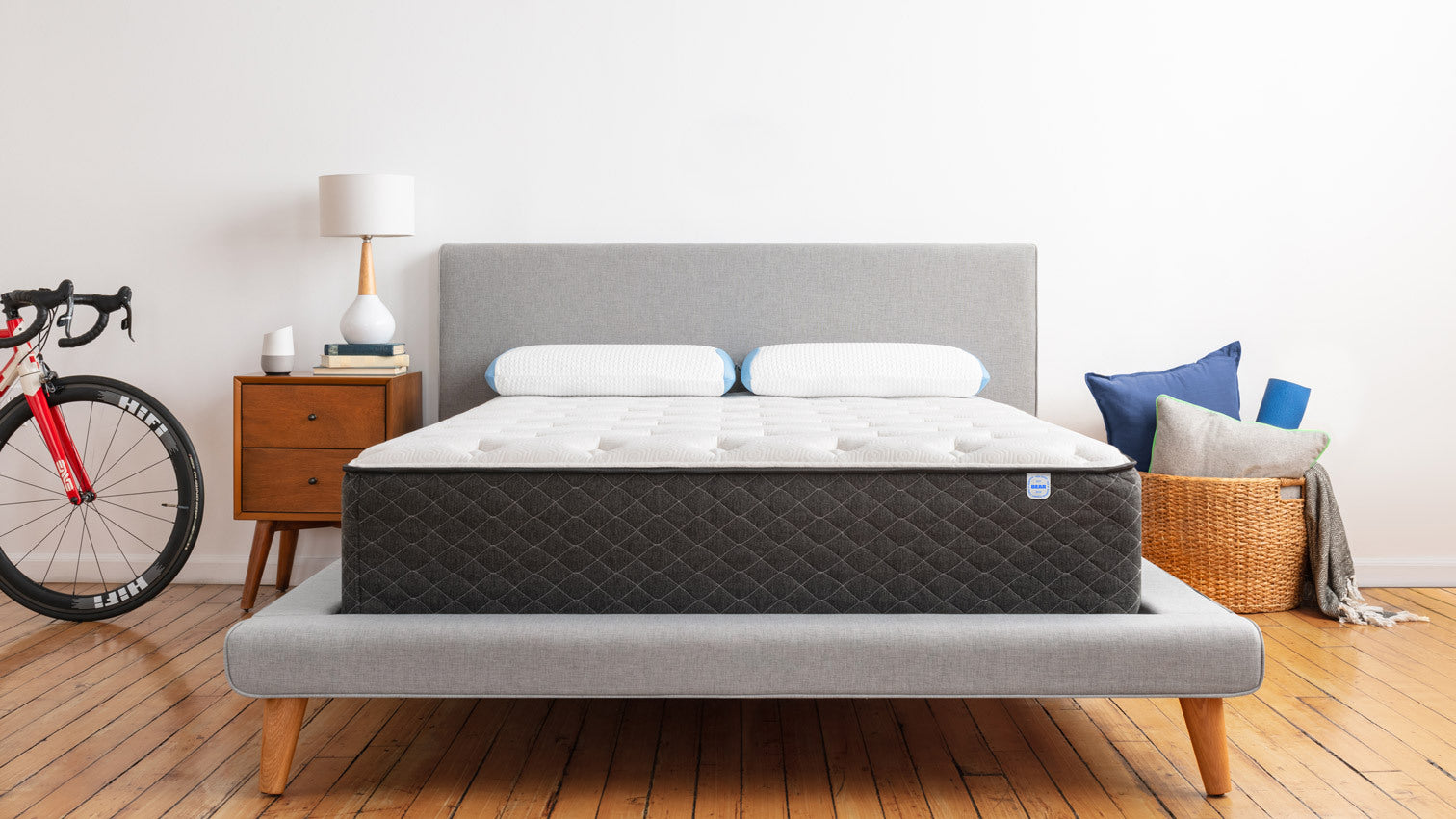


Shopping for a new mattress often starts with a critical question: Should you choose memory foam or a hybrid mattress? Both mattress types are designed for optimal comfort and support, but they achieve these goals with different materials and construction.
Memory foam is known for its deep, body-hugging pressure relief, while hybrid mattresses combine foam with responsive coils for a more balanced, supportive feel. In this guide, we’ll break down the key differences—including feel, cooling, motion isolation, durability, and overall value—so you can find the mattress that best fits your sleep style and support needs.
Memory Foam and Hybrid Mattresses Overview
What Is a Memory Foam Mattress?
A memory foam mattress is an all-foam bed constructed from layers of viscoelastic polyfoam that conform closely to the body’s shape.
This material distributes weight evenly, relieves pressure points, and absorbs motion, making memory foam mattresses especially popular for side sleepers and people seeking deeper pressure relief.
Memory foam is known for creating a “sleeping in the mattress” sensation, where the foam gently molds around the shoulders, hips, and lower back. That said, most high-quality all-foam mattresses have high-density memory foam or other firmer polyfoam layers on the bottom for more structure and support. If you felt one of these layers directly, it wouldn’t contour closely like the upper comfort layers.
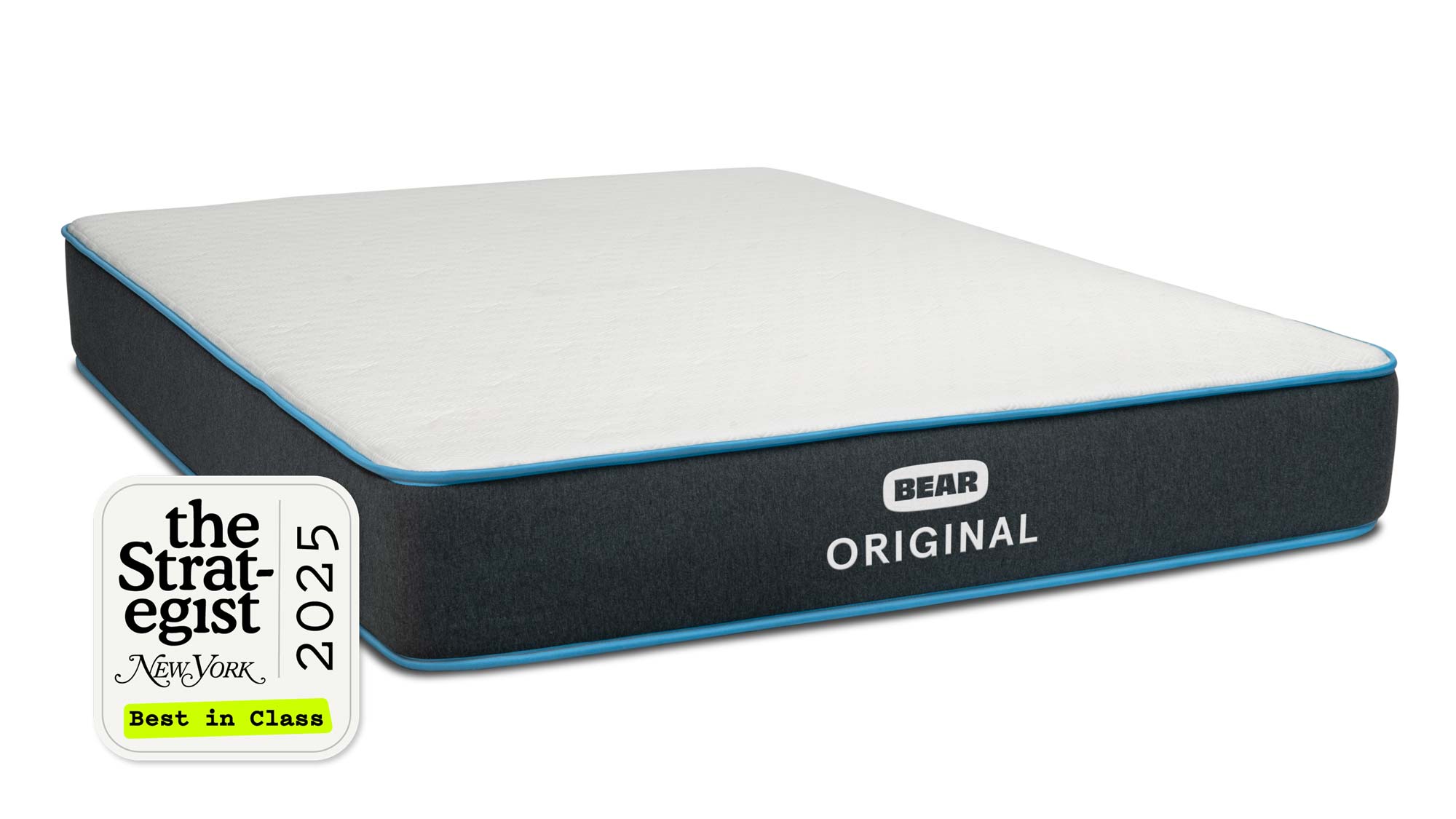
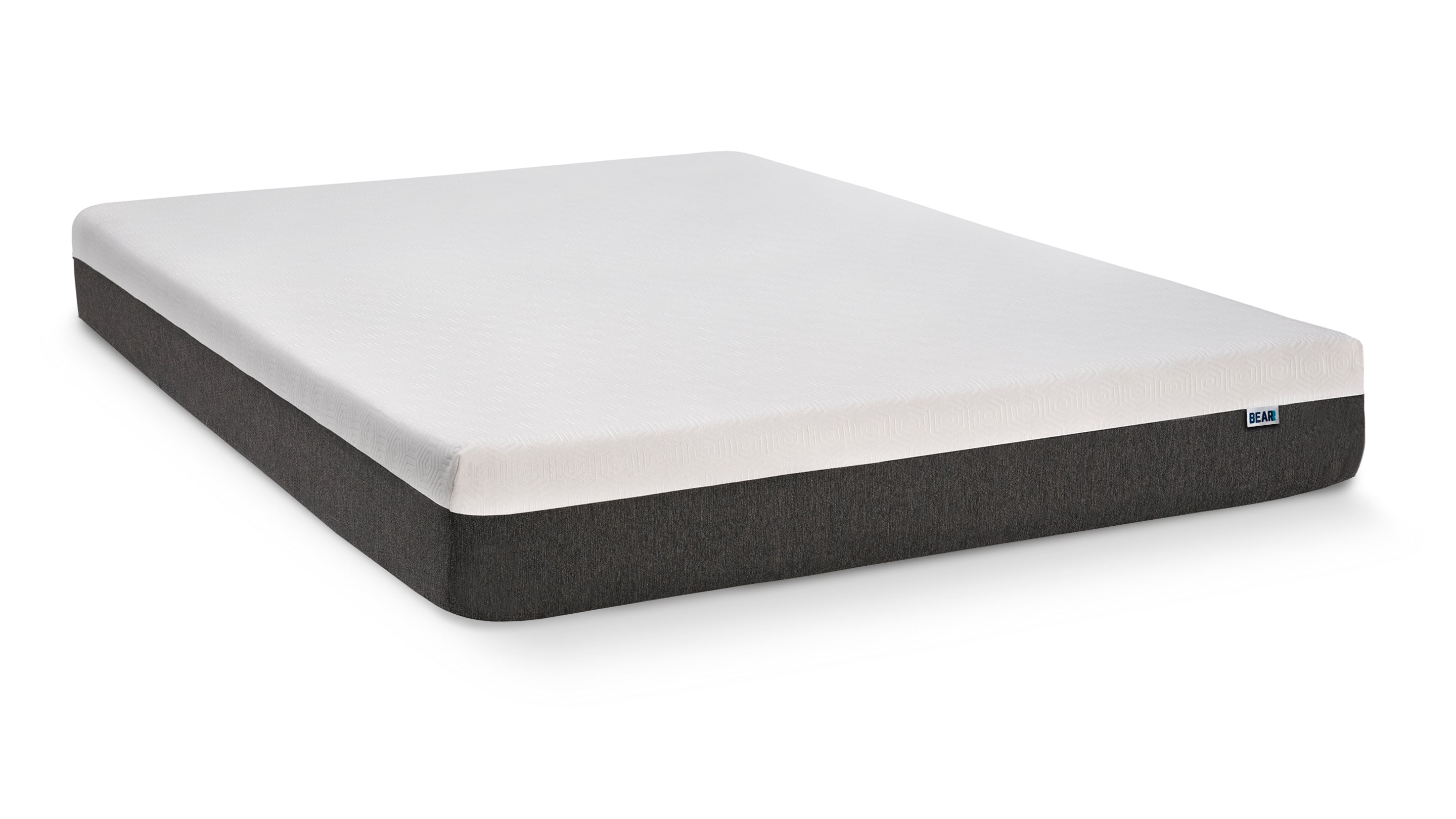
An example of a mattress with all-foam construction is the Bear Original mattress, which features soothing gel-infused memory foam and a high-density foam base.
What Is a Hybrid Mattress?
A hybrid mattress combines foam comfort layers—such as memory foam, latex, or polyfoam—with a coil support system.
This design blends the pressure relief of foam with the responsiveness, airflow, and durability of steel coils to create a balanced and supportive sleep surface.
Because hybrids combine multiple materials, they typically offer a more responsive feel with improved airflow and stronger edge support compared with all-foam beds.
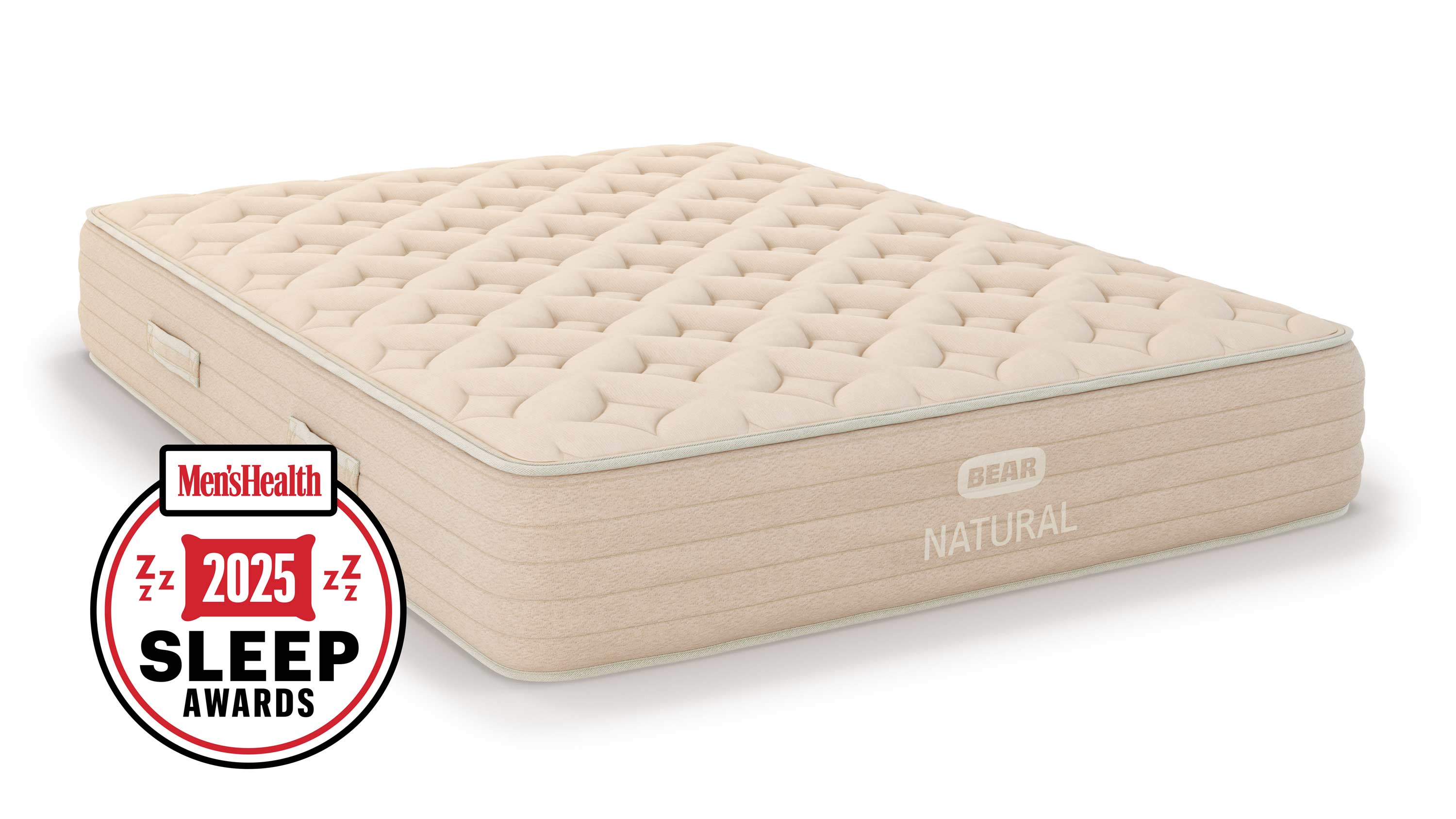
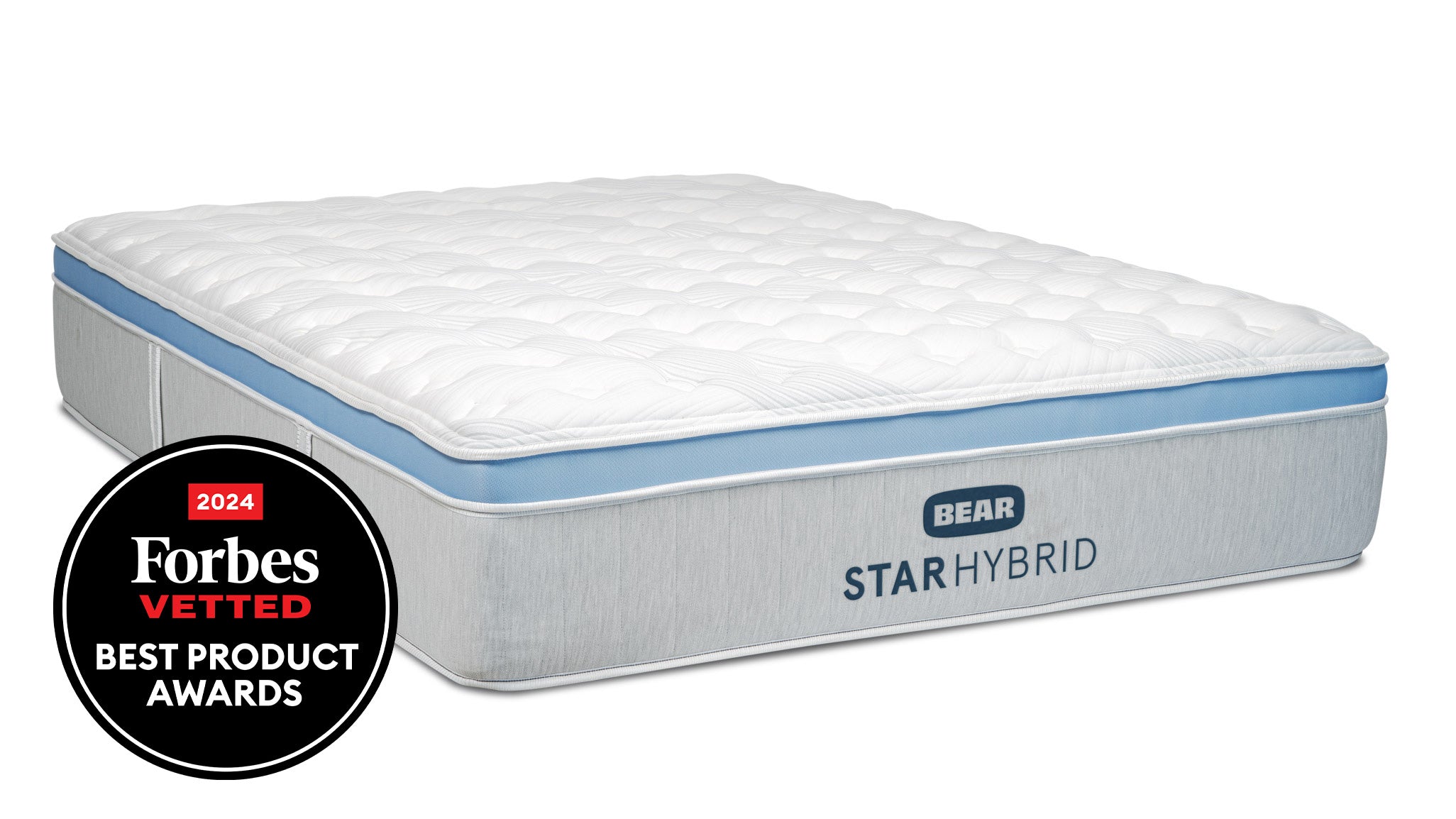
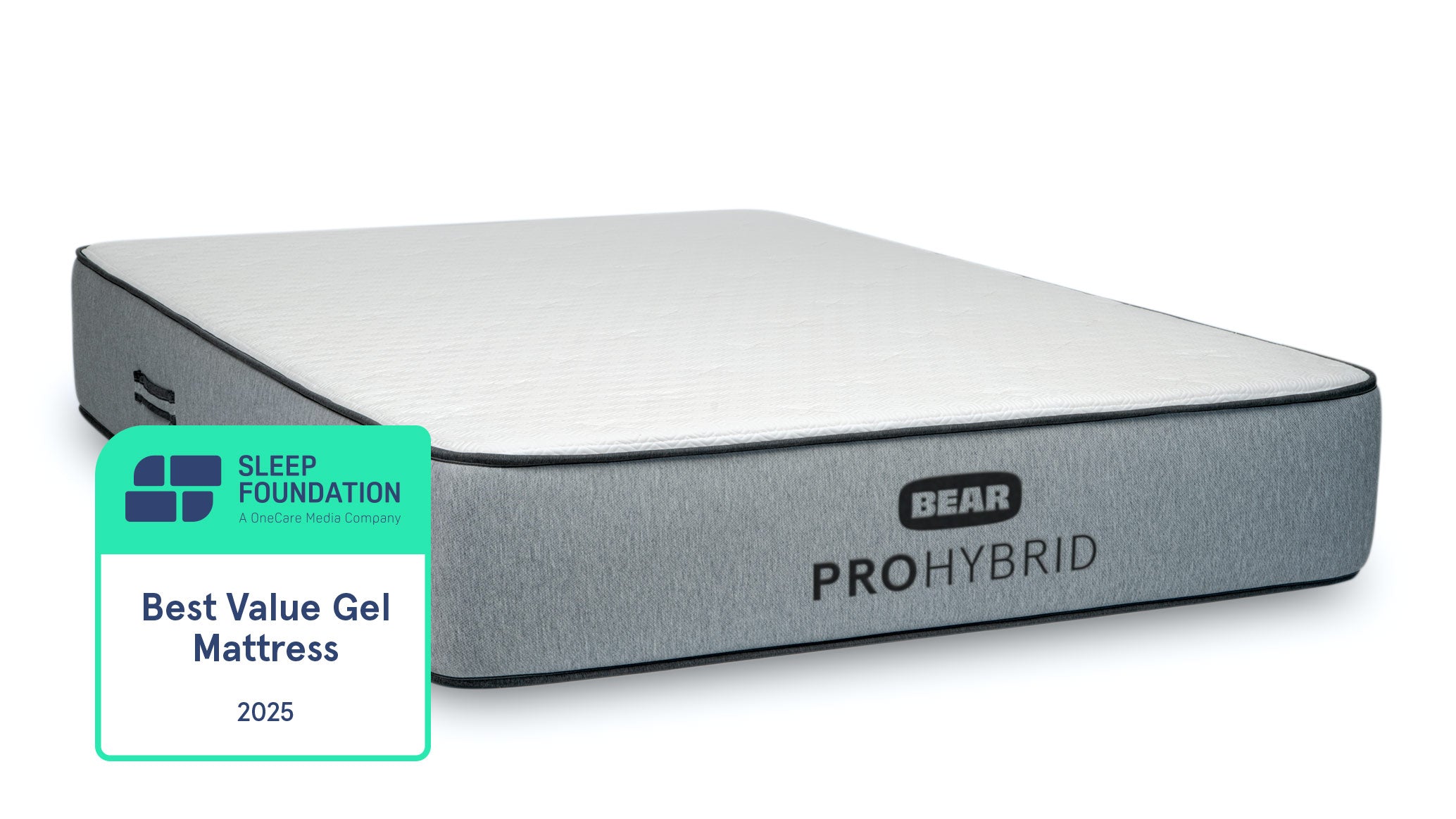
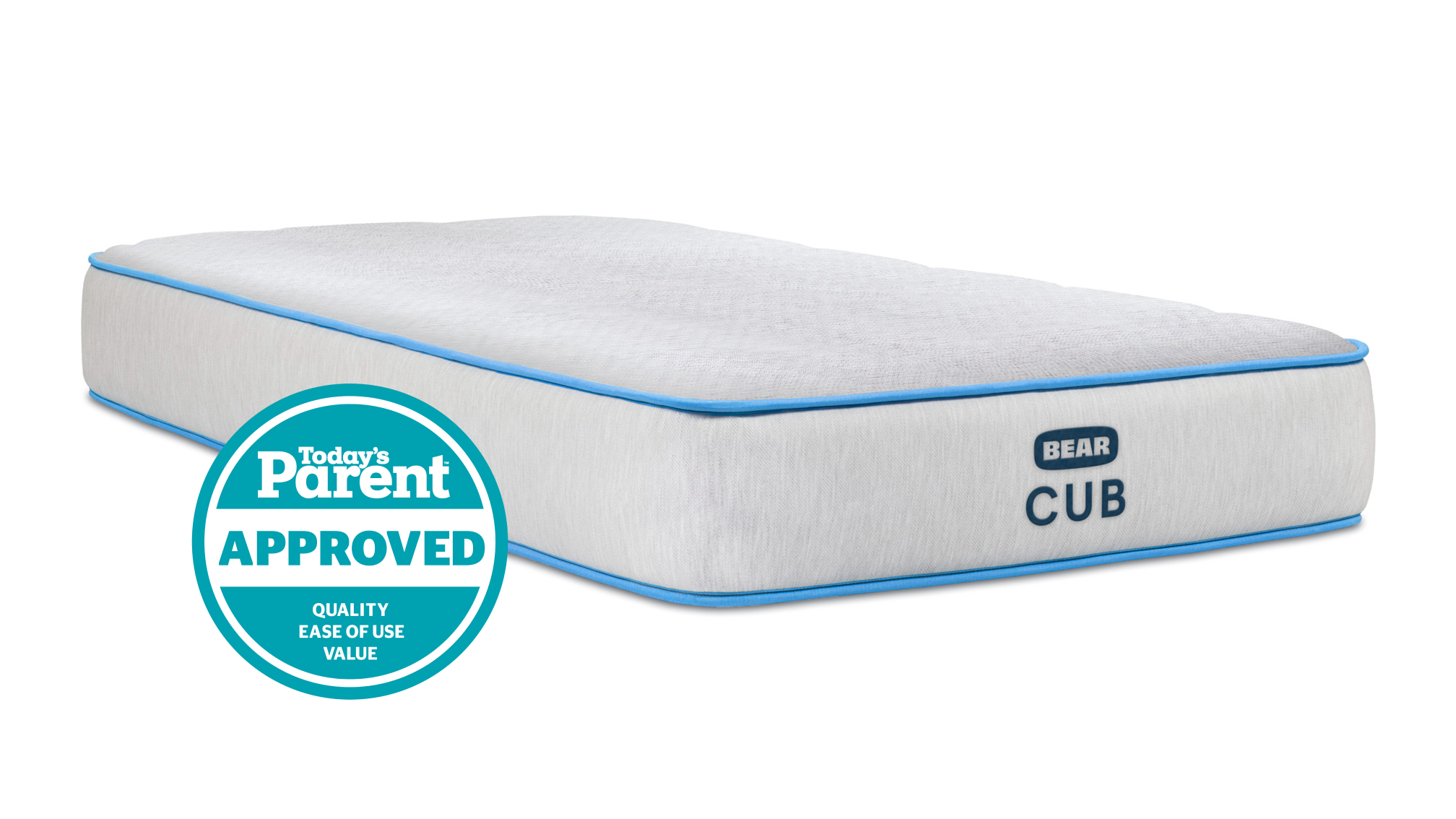
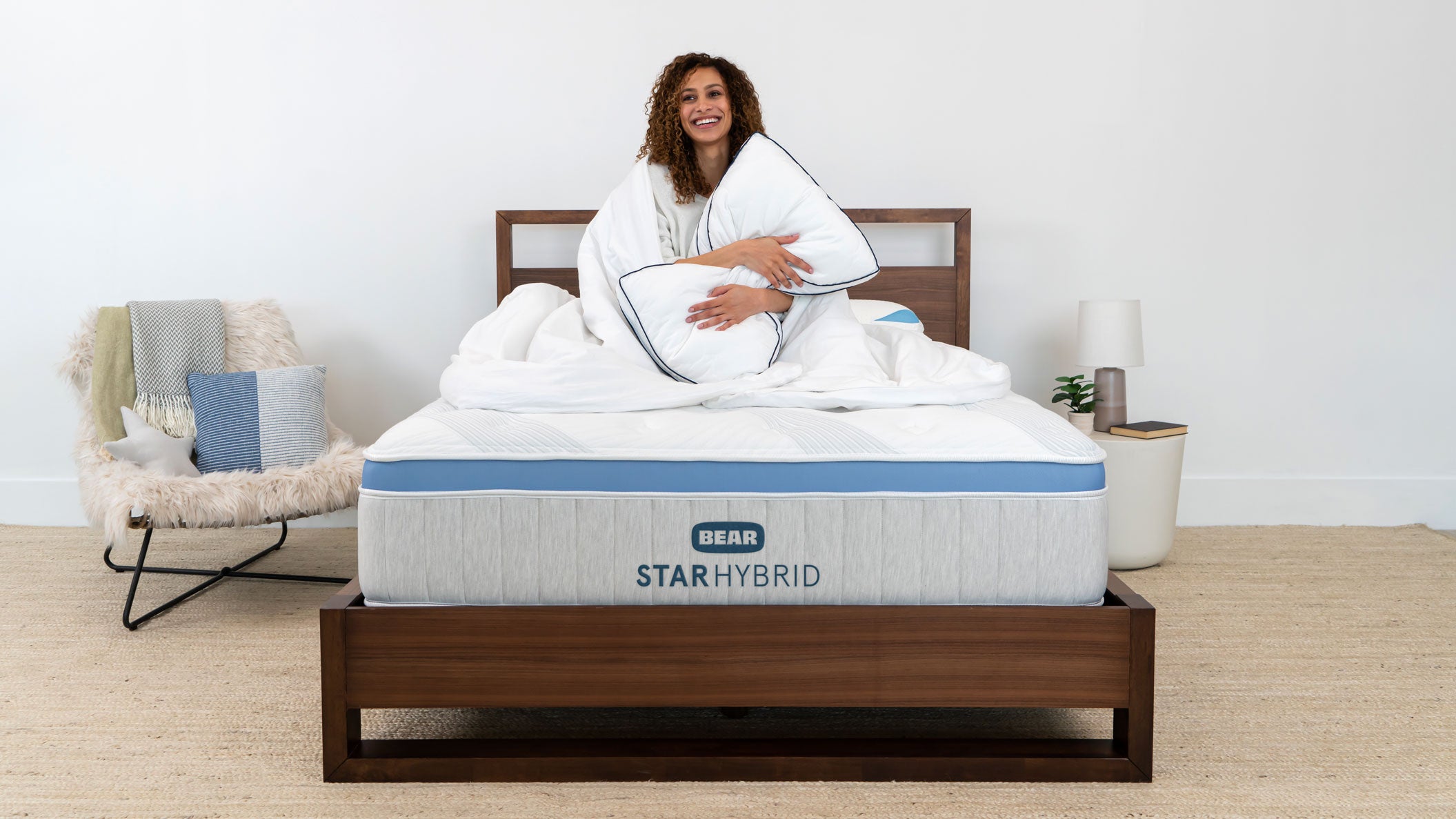
Within Bear’s lineup, the Bear Elite Hybrid and Pro Hybrid mattresses represent this construction style, pairing foam comfort layers with individually wrapped coils for responsive support and cooling airflow. Our Bear Natural and Bear Cub models are also hybrids.
Memory Foam Mattress vs. Hybrid Mattress: Structural Comparison
|
Attribute |
All-Foam Mattress |
Hybrid Mattress |
|
Comfort Layers |
Memory foam |
Memory foam, polyfoam, or latex foam |
|
Support Core |
Denser memory foam or polyfoam |
Coils |
Key Differences in Feel and Comfort
One innate difference between memory foam and hybrid mattresses is how they feel when you lie down.
Memory foam mattresses create a deeper contouring hug that closely follows the curves of your body. This sensation helps relieve pressure around the shoulders, hips, and lower back, which is why memory foam is often considered one of the best mattress materials for side sleepers. Sleep researchers frequently describe this as “sleeping in the mattress” rather than “sleeping on it.”
Hybrid mattresses feel more buoyant and responsive because their coil support systems push back against body weight. This creates a slightly lifted feel that many sleepers describe as sleeping on top of the mattress rather than inside it.
Looking for numerical data? Naplab’s performance testing for response time and bounce exemplifies these differences. Their latest comparison revealed a 0.63-second average response time for memory foam mattresses and 0.52 seconds for hybrids. In the bounce category, memory foam mattresses scored an average of 6.19 inches, and hybrids scored 10.79 inches.
Feel Comparison
Memory Foam:
-
Deep body-conforming contour
-
Slow response to movement
-
Minimal bounce
-
Excellent pressure relief
Hybrid:
-
Moderate contouring
-
Slightly faster response to movement (Keep in mind, most hybrid mattresses use memory foam on top)
-
Noticeable bounce (But less than latex mattresses)
-
Excellent pressure relief
-
Balanced support
Cooling and Temperature Regulation
Next up, temperature regulation is one of the biggest functional differences between memory foam and hybrid mattresses.
Traditional memory foam has historically retained heat because its dense structure can trap body warmth. However, modern foam innovations have significantly improved cooling. For example, gel, copper, and graphite-infused memory foams are designed to dissipate heat more effectively.
Hybrid mattresses have a natural cooling advantage because their coil support systems create air channels that allow heat to escape.
Motion Isolation and Sleep Disturbance
Motion isolation refers to a mattress's ability to absorb and contain movement so that one sleeper's tossing, turning, or getting in and out of bed doesn't transfer across the surface to disturb a partner.
Memory foam mattresses are widely considered the best mattress type for motion isolation. Because memory foam absorbs movement so effectively, it’s often recommended for light sleepers and anyone easily disturbed by nighttime movement.
Hybrid mattresses transfer slightly more motion due to their coil systems, although modern, individually wrapped coil systems significantly reduce this effect compared to traditional innerspring beds.
Edge Support and Responsiveness
Edge support determines how stable the perimeter of the mattress feels when sitting or lying near the edge.
Hybrid mattresses perform better in this category because their coils provide structure along the mattress perimeter. You’ll also find hybrid models with thicker reinforced coils on the sides for even more support. Some memory foam mattresses mimic this design using high-density foam on the edges, but don’t offer quite as much structure as steel springs.
Why Edge Support Matters
Mattresses with elevated edge support allow sleepers to use more of the mattress surface without the “roll-off” feeling near the edge. They’re particularly beneficial for couples sharing a bed, or anyone who sits on the edge of their bed often.
Durability and Lifespan Expectations
Mattress lifespan refers to the period during which a mattress maintains its original comfort, support, and structural integrity before sagging, indentations, or material breakdown reduce sleep quality and require replacement.
Hybrid mattresses typically last around 8 to 12 years, while memory foam mattresses last about 6 to 9 years. The difference largely comes from the steel coil support system used in hybrids, which resists sagging longer than foam alone. That said, mattress type isn’t the only factor that determines a bed’s durability.
Other influencing factors include:
-
Foam density and material quality
-
Body weight, sleep position, and use patterns
-
Mattress foundation and care
Price Comparison and Value Considerations
If price is a determining factor for your choice between a memory foam and a hybrid mattress, remember to factor in long-term value, not just upfront cost. Hybrid mattresses generally cost more than memory foam mattresses, but, as discussed above, they also last longer. When comparing prices between a memory foam and a hybrid model, consider researching their respective expected lifespans to calculate the cost per year.
Which Mattress Type Suits Your Sleep Style and Needs? Quick Tips & Comparisons
Deciding between memory foam and hybrid mattresses largely depends on your sleep style, body type, and comfort preferences. From our years of experience with both mattress types, we encourage shoppers to consider the following.
Choose Memory Foam If You
-
Prefer a hugging, contouring feel
-
Share a bed and want maximum motion isolation
-
Are looking for a lower upfront cost
Choose a Hybrid If You
-
Prefer a more responsive mattress feel
-
Sleep hot and want optimal airflow
-
Change positions frequently during sleep
-
Need strong edge support
-
Weigh around 230 pounds or more and want more structure and durability
Bear’s Memory Foam and Hybrid Mattress Options
Now that you know the big-picture differences between memory foam and hybrid mattresses, let’s dive into the specifics within the Bear mattress collection. Below, we compare our all-foam Bear Original mattress, the Pro Hybrid, our best-selling luxury hybrid model, the Elite Hybrid.
|
Attribute |
Bear Original |
Pro Hybrid |
Elite Hybrid |
|
Height |
10” |
10” |
14” |
|
Comfort Layers |
Gel-infused memory foam
|
Gel-infused memory foam |
Pillowtop, copper-infused memory foam |
|
Support System |
High-density support foam |
Coil core |
5-zone coil core |
|
Upgrades Available |
Celliant® Infused Cover |
Celliant® Infused Cover |
Celliant® Infused Cover |
|
Price (Queen)* |
$699 |
$999 |
$1,599 |
*Prices in table reflect the actual cost at the time of publication.
TL;DR: Who Should Choose a Memory Foam Mattress vs. a Hybrid Mattress?
A memory foam mattress is often ideal for side sleepers, couples who want strong motion isolation, and anyone who prefers a slow-responding, body-contouring feel. A hybrid mattress is typically better for combination sleepers, hot sleepers, and people who prefer a slightly firmer, more responsive surface with stronger edge support. Your sleep position, body weight, and cooling preferences can help determine which mattress type is the best fit.
Disclaimer: Bear does not provide medical advice. All resources on the Bear blog, including this article, are informational only and do not replace professional medical counsel. Talk to your doctor about any health, mental health, or sleep-related issues.