
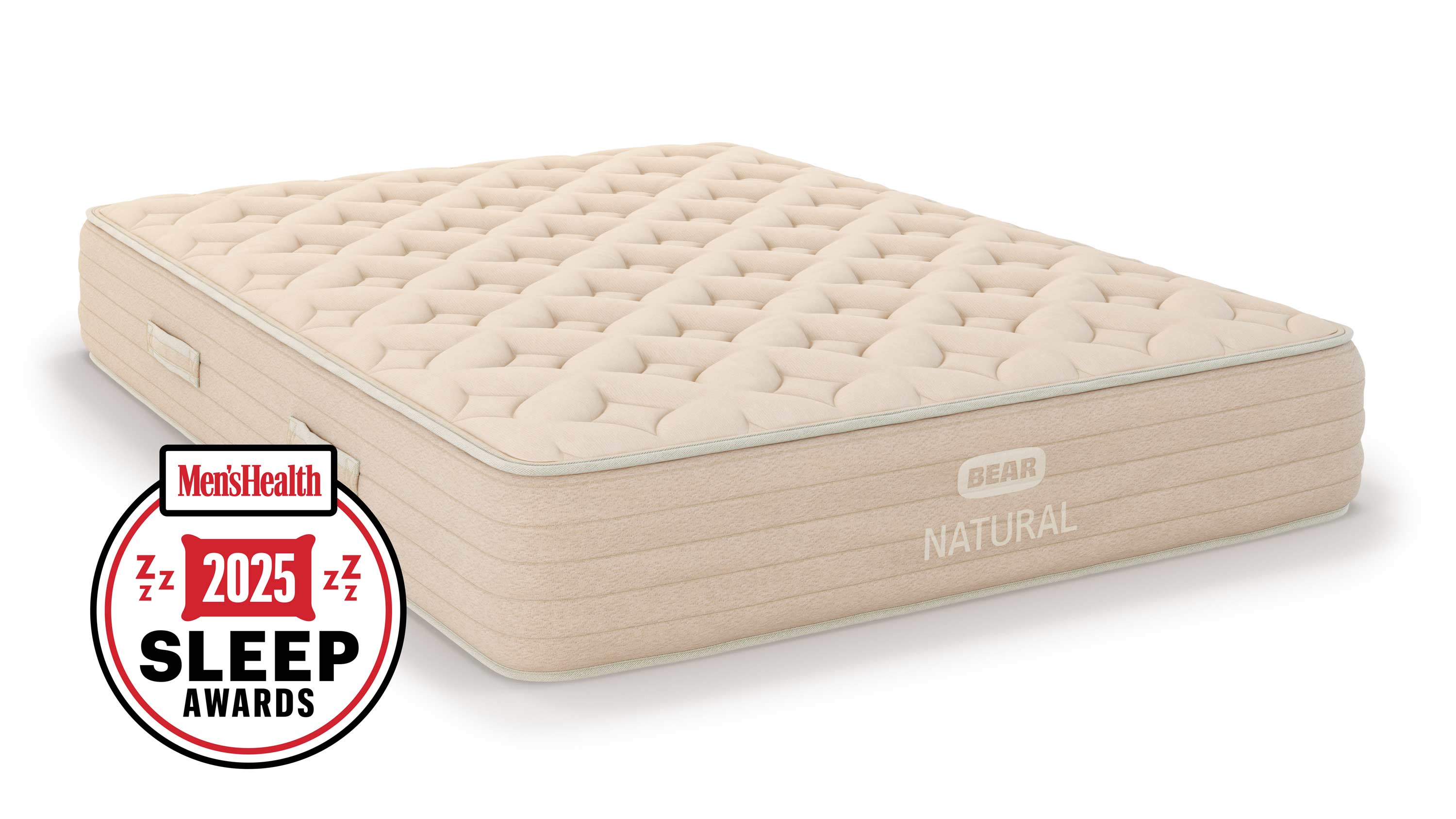


Shopping for the best memory foam mattress in 2026 isn’t just about picking something that feels soft and cozy in the moment. It’s about finding a bed that supports your body properly, relieves pressure where you need it most, and holds up night after night. With so many brands and features to sort through, it’s easy to feel overwhelmed. In this guide, we’ll walk you through how memory foam works, who it’s best suited for, and what details really matter so you can choose a mattress with confidence.
What Is a Memory Foam Mattress?
A memory foam mattress is made from viscoelastic polyurethane foam that responds to heat and pressure. When you lie down, the foam softens and contours to your body’s shape. When you get up, it slowly returns to its original form.
How Memory Foam Works
-
Reacts to body heat and weight
-
Conforms closely to curves and pressure points
-
Absorbs movement instead of transferring it across the bed
Pros and Cons of Memory Foam
Pros
-
Excellent pressure relief
-
Superior motion isolation
-
Strong contouring support
-
Ideal for side sleepers and couples
Cons
-
Traditional and lower-end models may retain heat
-
Lower bounce compared to hybrid or latex
-
Low-density foam may wear faster
In 2026, memory foam mattresses have come a long way since their first iterations in the 1990s. Advanced cooling systems and more durable foam formulations have offset some of memory foam’s early disadvantages. If it’s your first time buying a bed in the modern mattress in a box era, you may be pleasantly surprised by the quality improvements since your last purchase.
Who Should Choose a Memory Foam Mattress?
Between memory foam, latex, and hybrid mattress models, shoppers have an abundance of options for their sleep setup. Memory foam mattresses aren’t for everyone, but they are popular for the following sleep profiles:
Side Sleepers
Side sleepers typically need pressure relief at the shoulders and hips. Memory foam excels in this area because it cushions joints and reduces sharp pressure buildup.
People With Back or Joint Pain
Memory foam distributes weight evenly and supports the natural curve of the spine. Higher-quality models with high-density bases or zoned support can reinforce the lumbar area for improved lower back alignment.
Couples
Memory foam isolates motion better than nearly any other material. If your partner tosses and turns, you’re less likely to feel it on a memory foam bed.
Anyone Who Loves the “Hugging” Feel of Contouring Foam
Memory foam creates a close, cradling sensation. If you prefer feeling gently supported in the mattress rather than on top of it, memory foam is ideal.
Who Should Avoid a Memory Foam Mattress?
If you identify with any of the following conditions or scenarios, a memory foam mattress may not be the best fit for your personal support and sleep needs.
Very Hot Sleepers
Traditional memory foam retains heat because it contours closely and limits airflow. While many 2026 models include gel, copper, or phase-change cooling materials, naturally breathable materials like latex or hybrid coil systems still tend to sleep cooler.
Heavier Sleepers
Memory foam, especially low-density formulations, may compress too much under higher body weight, jeopardizing spinal alignment. Heavier individuals often benefit from the reinforced coil systems featured in hybrid mattress models.
Combination Sleepers or Anyone Who Prefers Bounce and Responsiveness
By design, memory foam has a slow response time. If you like a mattress that feels springy, responsive, or easy to move on, you may find that memory foam sinks too deep or feels too restrictive. This often includes combination sleepers who frequently change positions throughout the night.
What to Look for in the Best Memory Foam Mattress
Here’s your expert checklist for buying a new memory foam bed in 2026:
1. Multilayer Construction with a High-Density Base
Look for cushioning and contouring foam layers on top, reinforced by high-density support layers below. High-density foam provides the structure and durability necessary for a spine-aligning mattress that lasts.
2. Breathability and Cooling Technology
Modern memory foam mattresses combat heat using advanced materials like:
-
Gel-infused foam
-
Copper-infused foam
-
Graphite-infused foam
-
Phase change materials (PCM) or other heat-dissipating fibers
If you sleep hot, prioritize at least one of these active cooling features. Open-cell foam structures also go a long way for breathability.
3. The Right Firmness Level for Your Body Type and Sleep Position
Here’s where your unique physique and sleep preferences come into play. The chart below provides a general framework for finding your ideal firmness level, but we recommend conducting more personalized research by consulting our Firmness Guide and reading customer reviews for the top mattress models that you’re interested in.
|
|
Under 130 lb |
130-230 lb |
230-300 lb |
300-350 lb |
|
Side Sleeper |
4 – 7.5 |
5 – 7.5 |
5.5 - 7.5 |
6.5 - 8 |
|
Back Sleeper |
4 – 7.5 |
5 – 7.5 |
5.5 - 7.5 |
6.5 - 8 |
|
Stomach Sleeper |
5 - 8 |
6 - 8 |
6.5 - 8 |
7.5 - 9 |
|
Combination Sleeper |
4 – 7.5 |
5 – 7.5 |
5.5 - 7.5 |
6.5 - 8 |
4. Clean Materials and Certifications
For peace of mind and safety, seek out a fiberglass-free memory foam mattress. The following certifications also indicate cleaner materials or lower emissions:
-
CertiPUR-US®
-
GREENGUARD and GREENGUARD Gold
-
Oeko-Tex Standard 100
-
Global Organic Textile Standard
-
eco-INSTITUT
-
Made Safe
5. Brand Policies
In 2026, competitive standards for buying a memory foam mattress online include:
-
Free shipping
-
In-home setup options
-
A 100+ night sleep trial with free returns during the trial period
-
A 10+ year warranty
Best Memory Foam Mattress: The Bear Original
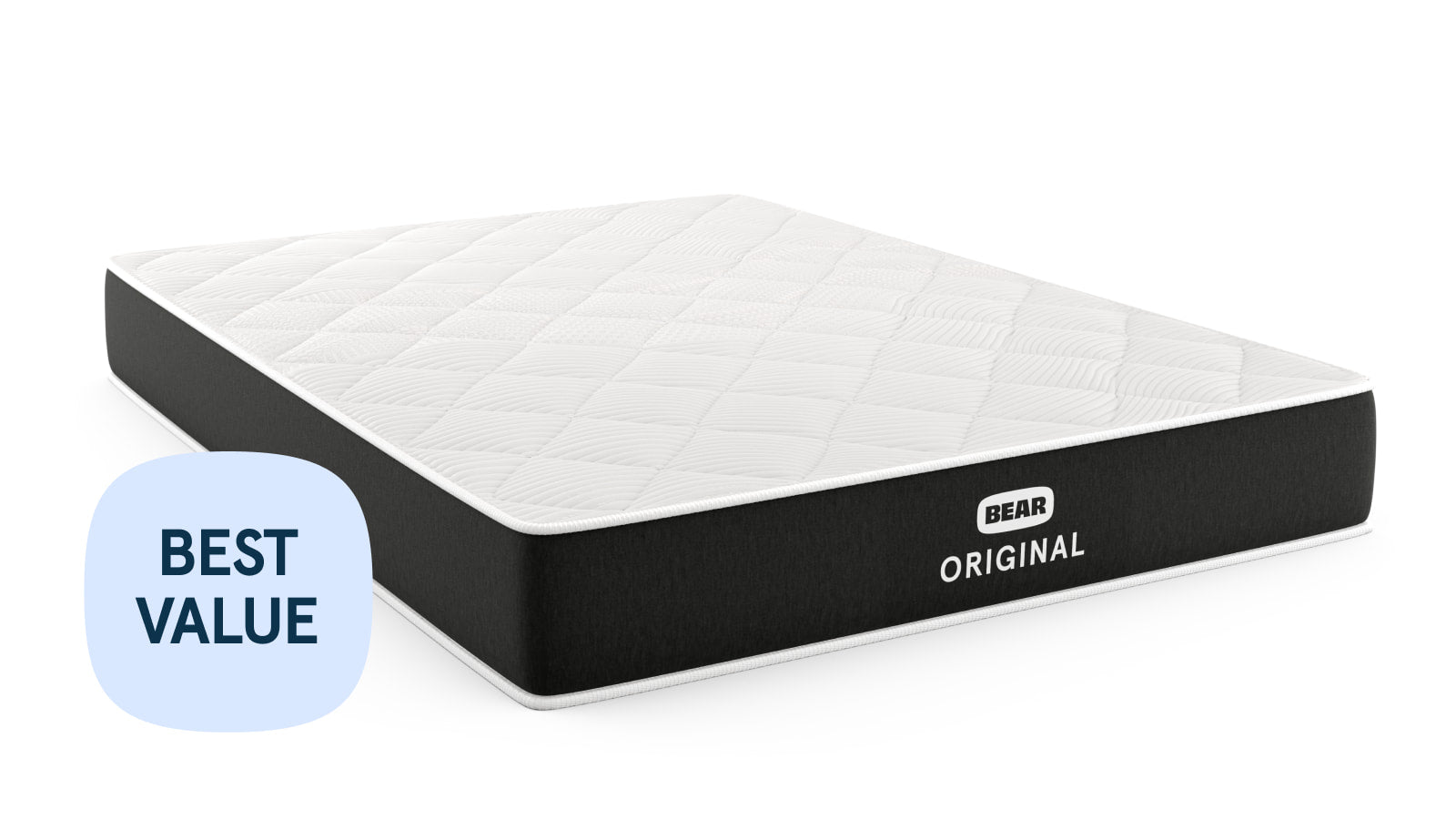
At Bear, we designed the Bear Original Mattress to deliver the perfect balance of cooling comfort, pressure relief, and responsive support. Our cooling gel memory foam helps regulate temperature while contouring to your body to relieve pressure points, and the high-density support core promotes proper spinal alignment for deep, restorative sleep. With a medium-firm (7.1/10) feel, it works well for many back, side, and combination sleepers, as well as lighter stomach sleepers. The Bear Original also has GREENGUARD Gold certification and uses CertiPUR-US® certified foam for feel-good comfort and lasting support.

Frequently Asked Questions
Do memory foam mattresses sleep hot?
While older memory foam mattresses have a reputation for trapping heat, new technology provides the breathability and cooling comfort that previous models lacked. In 2026, manufacturers use breathable or heat-dissipating covers, open-cell foams, and active cooling infusions (like gel, copper, and graphite) to regulate temperature.
Are memory foam mattresses good for stomach sleepers?
Memory foam mattresses can work for stomach sleepers if they are firm enough to keep the hips from sinking too deeply. A medium-firm to firm model (around 7–8/10) helps maintain proper spinal alignment and prevents lower back strain. Softer memory foam beds are generally not recommended for primary stomach sleepers.
How long does it take to break in a memory foam mattress?
Most memory foam mattresses require 2 to 4 weeks to fully break in. The foam will relax and soften slightly during this period.
How long does a memory foam mattress last?
Most quality memory foam mattresses last between 7 to 10 years. Higher-density foams tend to be more durable and maintain support longer. Lifespan also depends on body weight, usage, and whether the mattress is supported by a proper foundation.
Do memory foam mattresses sag?
All mattresses can develop impressions over time, but high-density memory foam resists sagging better than lower-density options. Premature sagging usually occurs in budget models with thinner or softer support cores. Choosing a well-constructed mattress and rotating it periodically can help extend its lifespan.
Is memory foam safe?
Most reputable brands—including Bear—use CertiPUR-US® certified foams, which are tested for harmful chemicals and emissions.
Disclaimer: Bear does not provide medical advice. All resources on the Bear blog, including this article, are informational only and do not replace professional medical counsel. Talk to your doctor about any health, mental health, or sleep-related issues.