


When athletes think about injury recovery, they often focus on physical therapy, mobility work, and rehabilitation exercises. These strategies are often essential to recovery, but without quality sleep, they’re incomplete. With tears, strains, sprains, and muscle fatigue, one of the most powerful tools for recovery is lying still in bed, fast asleep.
Sleep is when the body carries out many of the biological processes responsible for tissue repair, muscle recovery, immune function, and inflammation control. For athletes recovering from an injury, prioritizing sleep can meaningfully influence how quickly and completely the body heals.
This guide explains why sleep is critical for injury recovery and how athletes can optimize their sleep habits and environment during rehabilitation.
Why Sleep Is a Non-Negotiable Recovery Tool
Sleep not only helps you perform at your peak, but it’s also when your body works hard to heal. Sleep is an active physiological process, not just passive rest. During sleep, the body shifts into a repair-focused state where multiple systems work together to restore damaged tissue and rebalance hormones.
For injured athletes, sleep supports recovery by helping to:
-
Stimulate tissue repair and muscle regeneration
-
Regulate growth hormone production
-
Reduce inflammation
-
Strengthen the immune system
-
Improve cognitive performance and reaction time
Without sufficient sleep, these recovery processes become less efficient, which can slow healing and increase the risk of re-injury.
“Furthermore, the impact of sleep deprivation can lead to decreased agility, speed, and reaction time, increasing injuries.”
But getting quality sleep after sustaining an injury is easier said than done. Pain, stress, and disrupted routines can interfere with getting comfortable and getting the rest you need. After diving further into the mechanics of sleep, this guide will cover actionable tips for staying well-rested during injury recovery.
What Happens During Sleep to Support Healing?
The following processes work together to support muscle and tissue repair:
Tissue Repair & Muscle Regeneration
While you sleep, your body filters out toxins and releases growth hormones, which you need to physically recover from injury and stress. For adults, the largest pulse of human growth hormone (HGH) is released during slow-wave sleep (SWS). Why is HGH important for injuries? Growth hormone plays a critical role in:
-
Tissue repair
-
Muscle regeneration
-
Bone remodeling
-
Collagen synthesis
Deep sleep is also when the body increases protein synthesis, allowing damaged muscle fibers and connective tissues to rebuild. The process of making protein and growing new healthy cells is at its most efficient while you sleep, and then decreases steadily through the day. The body also heals damaged tissues at its highest rate during sleep. On the flip side, lack of sleep can adversely influence essential recovery processes, including wound healing. Research also suggests that stem cells multiply and specialize into different types of cells during the hours you spend asleep.
“Sleep is an important part of a recovery process from acute stress or illness. A growing body of work has demonstrated that enhancing sleep promotes recovery and survival, and that an adaptive cellular response underlies this process.”
Immune System Support
Inflammation and the immune system are closely linked. When you sleep well, your immune system makes and regulates a protein called cytokines. Certain cytokines not only help you sleep better but also engage the immune system to come to your aid when you’re sick or injured. Sleep also helps regulate levels of infection-fighting cells and antibodies, which help protect you against illness and infections. In other words, a healthy immune system relies on getting adequate rest, which is all the more important after an injury.
Inflammation Control
Inflammation is a normal part of the healing process, but excessive inflammation can delay recovery and increase pain.
Healthy sleep patterns help regulate inflammatory responses in the body. Chronic sleep deprivation, on the other hand, has been linked to elevated levels of inflammatory biomarkers associated with:
-
Muscle soreness
-
Joint swelling
-
Slower tissue repair
For athletes recovering from injury, consistent sleep may help keep inflammation at healthy levels, allowing recovery to progress more efficiently.
How Lack of Sleep Can Delay Injury Recovery
Everyone has “off” nights of sleep here and there, but consistently getting insufficient sleep can interfere with the body’s recovery processes. Lack of sleep may:
-
Disrupt the balance of growth hormone and cortisol
-
Increase systemic inflammation
Your coordination, reaction time, and return-to-play readiness are also affected by poor sleep. Struggling to focus and delayed reaction time increase your likelihood of getting hurt when you're competing or training.
Common Sleep Challenges for Injured Athletes
Athletes recovering from injury often experience new sleep challenges that make quality rest harder to achieve. Common obstacles include:
-
Pain and Discomfort– Injuries can make it difficult to find a comfortable sleeping position.
-
Reduced Physical Fatigue– When training volume drops, athletes may not feel as naturally tired at bedtime.
-
Stress and Anxiety– Concerns about performance, rehabilitation timelines, or lost training progress can interfere with sleep.
-
Changes in Sleep Routines– Rehabilitation schedules, daytime naps, or disrupted training routines can alter circadian rhythms.
If you can identify with any of these issues, don’t panic! Recognizing these challenges is the first step toward improving sleep during recovery.
Actionable Sleep Strategies for Injured Athletes
Fortunately, there is plenty you can do to get back into peak shape. Paired with the recovery regimen prescribed by your healthcare providers, healthy sleep habits can go a long way.
1. Prioritize Sleep Duration and Consistency
Most adults need at least 7 hours of sleep per night, but athletes often benefit from 8 or more hours, especially during periods of intense training or recovery.
Maintaining a consistent schedule helps regulate the body's circadian rhythm, which improves sleep quality.
Try to:
-
Go to bed at the same time each night
-
Wake up at the same time every morning
-
Maintain consistent sleep timing even on rest days and weekends, though you may need to adjust slightly for more sleep throughout recovery from an injury or illness
2. Create a Recovery-Focused Sleep Environment
Have a bedtime routine and cozy sleep environment that tells your body it's time for bed. You can create this space even when traveling.
Some tips include:
-
Keeping Your Room Dark and Quiet– Use room-darkening curtains or an eye mask, and earplugs or white noise.
-
Sleep in a Cool Room– The ideal temperature for sleep is 60 to 67°F. Wear lightweight clothing and sleep with breathable fabrics like cotton, linen, or bamboo viscose. Regulating your body temperature helps decrease inflammation and keeps you comfortable.
-
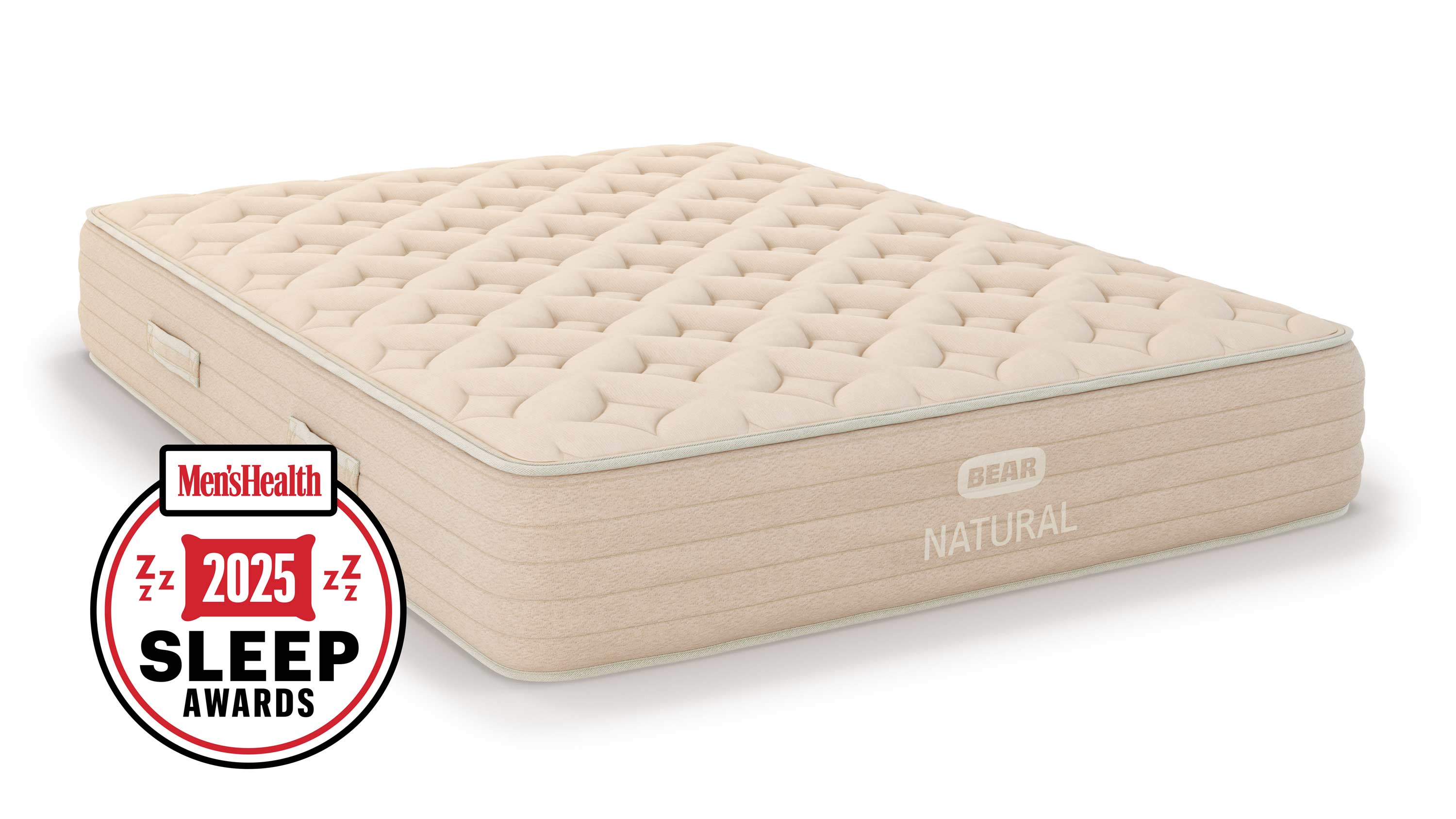
Make Sure Your Mattress Properly Supports Your Spine and Cushions Injured Areas– Our Best Mattress for Muscle Recovery and Best Mattress for Athletes guides can help you identify what you need if your current sleep setup is lacking. You can also use pillows strategically to help elevate or cradle sore joints.
Sleep Support for Athletes & Recovery
Elite Hybrid Mattress

Key Features: Infrared Sleep Recovery Technology™, pressure-relieving foams, targeted lumbar support, and cooling enhancements.
3. Use Strategic Napping to Supplement Rest
Despite what you may have heard about naps, they can help you while you’re recovering—as long as you are strategic about them.
There are times when napping can negatively affect your nighttime sleep, such as:
-
Napping Too Close to Bedtime– Try to avoid napping after 3:00 p.m. so you don’t interfere with your circadian rhythms and still feel tired enough for sleep at bedtime.
-
Napping for Too Long– To avoid feeling groggy and circadian rhythm disruptions, keep naps at about 10 to 20 minutes, or 90 to 120 minutes if you’re sleep deprived.
4. Smart Nutrition & Healthy Sleep Hygiene Habits
Lastly, these nutrition, hydration, and sleep hygiene tips may support your recovery journey:
-
Manage Protein Intake– You need to consume adequate protein because your body uses the amino acids in dietary protein to build muscle and repair tissue. Consult your doctor or a nutrition specialist to assess how much daily protein is right for you, and if you need to adjust during your recovery period.
-
Stay Hydrated– This will help your body decrease the inflammation and swelling that can occur after an injury. Hydration also helps your body remove waste products more efficiently.
-
Moderate Caffeine– Don’t consume caffeine or alcoholic beverages too close to your bedtime. Research shows drinking caffeine 6 hours before bed can keep you from falling asleep.
-
Limit Screen Time– Late-night screen exposure, such as reading or scrolling on your phone, tablet, or laptop, can also interfere with your body’s natural process of winding down for the night. Try to go screen-free an hour or two before hitting the hay.
Key Takeaways: Treat Sleep Like Rehab
Sleep is an active recovery process, not passive rest. Even while you’re in bed, calm and relaxed, your body is hard at work repairing and processing. Small improvements in your sleep can significantly improve your healing timeline.
You may not be able to magically recover as quickly as you wish, but you can take practical steps towards better sleep habits. Prioritizing sleep is one of the most controllable recovery tools athletes have, so make it a goal to get the deep, restorative sleep your body needs.
Disclaimer: Bear does not provide medical advice. All resources on the Bear blog, including this article, are informational only and do not replace professional medical counsel. Talk to your doctor about any health, mental health, or sleep-related issues.