

When it comes to training and leveling up your athletic performance, sleep likely isn’t the first thing you think of to improve. However, getting quality rest may be exactly what you need, as it lowers your risk of injury and helps keep you healthy.
Collecting and interpreting sleep tracking data—along with other biohacking practices—can help you understand if you’re getting the rest you need. In this guide, we’ll dive deep into sleep and recovery metrics and how to leverage your data to support your active lifestyle.
Sleep Tracker Technology: Measuring What Matters
Sleep trackers are devices or systems you use to track your sleep patterns and monitor changes over time. These trackers use biosensors that collect data on your movements and body signals. In turn, they can give you an estimate of how long you sleep and how well you’re sleeping—known as sleep quality.
You can use different tracking methods, depending mostly on whether you want to wear something on your body or not. These include:
- Wearable Devices: Wearables like smartwatches and rings can measure your movements, heart rate, and sometimes skin temperature directly from your body. They’re ideal for people who want to collect both sleep data and daytime activity data.
- Non-Contact Sleep Trackers: These include mattress covers with sensors that track body temperature, movement, and heart rate, or bedside devices with microphones that track snoring and sleep talking.
- Under-Mattress Sensors: These are sensors that are shaped like a mat. You place it under your mattress and it records metrics like breathing and movement. An app takes that data and can give you information on your sleep quality. They’re convenient because they don’t take any effort on your part to use. But since they aren’t worn on the body, under-mattress sensors may not be as accurate as a wearable.
For athletes, tracking sleep can provide you with actionable recovery data. By using metrics like resting heart rate, heart rate variability (HRV), and sleep duration, you can get a picture of how well your body is adjusting to your training schedule.
Looking at the data for those nights you slept poorly after a hard training session, you can make some adjustments to your diet, workouts, or bedtime habits to perform your best and recover smarter.
Understanding Sleep Tracking: The Science Behind the Data
To understand how you can use sleep tracking data for performance and recovery needs, it helps to understand the metrics of sleep—like sleep stages, heart rate variability (HRV), and sleep quality—and how trackers use algorithms to interpret the data.
Sleep Stages
Sleep is made up of different stages that are each important for your health and feeling your best. There are four main stages of the sleep cycle:
- Stage 1 is the transition into sleep where brainwaves slow down and muscles relax.
- Stage 2 (light sleep) is where heart rate and body temperature lower slightly. This stage of sleep is believed to be when memories form.
- Stage 3 (deep sleep) is the hardest stage to wake up from. This is where your body is healing itself and repairing muscle. Deep sleep is also when your body is strengthening the immune system.
- Stage 4, or rapid eye movement (REM) sleep, is when your brain becomes more active. Breathing and heart rate increase, even though your skeletal muscles aren’t moving. This is the dreaming stage of sleep important for emotional processing and improving concentration and focus.
Heart Rate Variability (HRV)
HRV measures tiny changes in time between heartbeats, showing how your body adapts to physical stress. A higher HRV usually means you’re well recovered, while a lower HRV can indicate fatigue or overtraining.
But while you have some control over this in being physically fit, HRV is also genetic. That means some people just might have a naturally higher HRV than others.
Resting Heart Rate (RHR)
RHR is your heart rate measured in beats per minute. When you’re sleeping or lying or sitting still, it’s generally between 60 and 100. But athletes can have a lower RHR than non-athletes.
Looking at your RHR while you sleep can give you insight into your physical health. Your heart rate naturally slows while you sleep, so a higher RHR might signal you’re getting sick, stressed, or are overtraining.
Blood Oxygen Saturation (SpO2)
SpO2, or “pulse ox,” is another useful metric to gauge recovery. A healthy range is 95%-100% SpO2. But blood oxygen levels can dip lower in athletes and rise back up in recovery. And SpO2 can dip slightly during sleep. Lower levels could mean you’re sick or have a sleep condition.
Sleep Duration
Sleep duration is the amount of sleep you get in a 24-hour period—how long you’re actually asleep. Athletes in particular need more sleep than non-athletes to feel rested—about 9-10 hours versus 7-9.
Sleep Timing
Sleep timing refers to the time you go to bed and wake up (such as 11:00 p.m. to 7:00 a.m.). Having a regular bedtime and wake-up time might even be more important than how many total hours of sleep you get.

Interpreting Sleep Tracking Data
Sleep trackers use several different sensors including:
- An accelerometer to get movement data (actigraphy)
- Red/green LED light for measuring your pulse and HRV
- Oxygen levels using light instead of having to place electrodes on your body
Your tracker analyzes data using proprietary algorithms—company-owned systems that aren’t shared publicly—so it’s unclear exactly how your information is interpreted. But some metrics are known to be more accurate than others.
Actigraphy on a sleep tracker measures movements. It can estimate when you’re awake versus asleep (movement versus non-movement). It’s not as accurate as measuring brain waves in a sleep study, known as a polysomnography (PSG), but it can give you insight into your sleep habits, including sleep duration and timing.
Sleep trackers have a range of accuracy when it comes to measuring the time spent in each sleep cycle. This is because consumer sleep trackers can’t measure brain waves like in a PSG. One study showed consumer grade devices have a 30%–80% accuracy for predicting deep and REM sleep and a 50%–90% for light sleep.
Significance for Athletes: How Quality Sleep Drives Performance
Better quality sleep can improve athletic performance and help you recover fully. Getting a good night’s sleep can help with faster and more accurate reaction times.
Sleep is also a time where your body releases growth hormone, which is important for repairing muscles and recovering after training. It can also help in preventing injuries by allowing your muscles to recover more efficiently from a tough workout.
Too little sleep can reduce your body’s glycogen levels, the energy your muscles rely on. This can make workouts feel harder and cause you to tire more quickly. Getting the sleep you need can help keep up glycogen stores and improve endurance.
How to Implement Sleep Tracking in Your Training Protocol
Using a sleep tracker can be beneficial for looking at sleep data across time, looking for patterns and where you can improve your sleep health.
When your numbers dip, it’s helpful to reflect on what else was happening at that time:
- Were you eating differently?
- Carrying more stress?
- Training harder?
These insights can help you connect how your lifestyle and recovery habits affect your rest.
Tracking sleep can also highlight what isn’t working in your training routine. Maybe you weren’t including enough long, low-intensity endurance sessions, or you were overtraining without enough rest days. These patterns can help you make some adjustments that support better sleep and performance.
There really isn’t any obvious information that a sleep tracker is going to give you that you probably don’t always know. If you’re nervous before a race and see low sleep scores, it really just confirms that anxiety kept you tossing and turning. A drop in SpO₂ paired with coughing might signal you’re coming down with something and should ease up on training.
Looking at your sleep duration and timing across weeks or months can also show if you’re keeping a regular sleep schedule and getting quality sleep.
Sleep data is most useful for spotting trends, not fixating on single numbers. Your HRV, RHR, and sleep duration is useful for giving you a starting baseline. If you see your HRV consistently dropping, it might be from stress or illness. These numbers can also be useful to bring to your healthcare provider if you suspect a sleep condition like sleep apnea.
Advanced Sleep Optimization Strategies for Competitions & Recovery
You may not get the best sleep the day before a performance, race, or competition. You’re amped up and probably anxious. So looking at your sleep data the next morning may not be helpful, and might even cause more anxiety that your poor sleep is going to affect your performance.
But you can monitor your sleep duration several days pre-competition, and slip in a nap if you didn’t get good sleep the night before. A 2021 study shows napping during the day or banking sleep (getting extra sleep) can improve performance.
Manage travel and schedule disruptions by:
- Packing earplugs and eye masks to block out unfamiliar noises and lights in a new environment
- Using a neck pillow or a Bear Mini Pillow for getting comfortable on an airplane.
- Easing jet lag by sticking to healthy sleep habits and adjusting your bedtime several days before travel.
-
Drinking plenty of water and eating healthy foods to stay hydrated and alert
After a big competition, race, or game, prioritize rest and recovery. Some ideas to help recover include:
- Getting a massage
- Foam rolling
- Wearing compression garments
- Deep breathing or meditation
- Cupping or cryotherapy
Your Next Step Toward Optimized Performance
Gathering information about your sleep and recovery can be valuable information. But it’s important not to get swept up into the details.
For example, if you feel groggy after a night of tossing and turning and see a poor sleep score on your watch, you might want to take it easier when training. But on the flipside, you might have a poor sleep score, and actually feel fine. You don’t necessarily need to back off training if your body is telling you something different than your sleep data.
While it can be useful information, sleep tracking data isn’t completely reliable at predicting your performance and recovery. But you can use your data collected night after night to see if patterns emerge. It’s useful to bring to your healthcare provider if you’re implementing more healthy sleep habits, but your sleep itself doesn’t seem to improve.
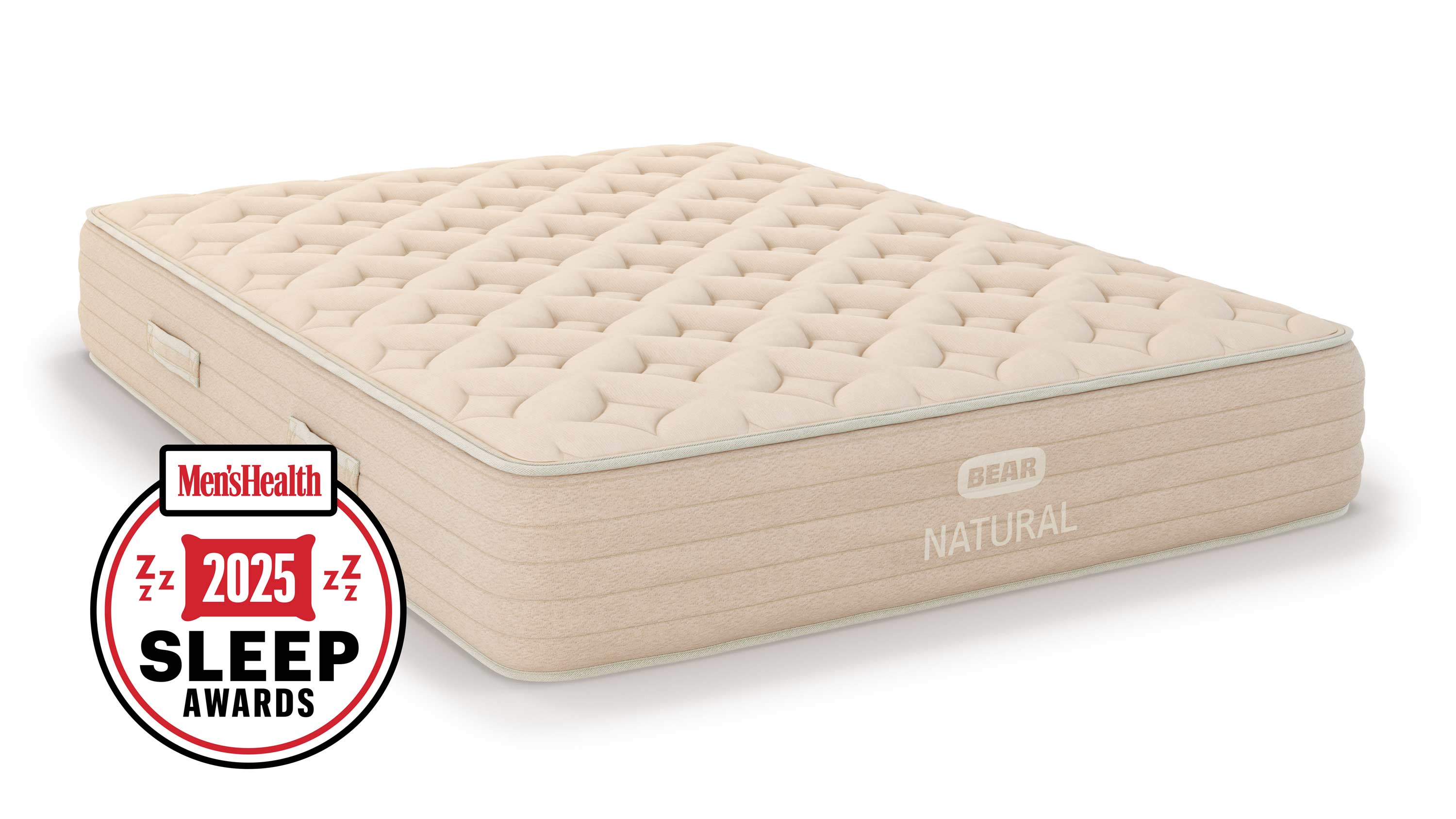
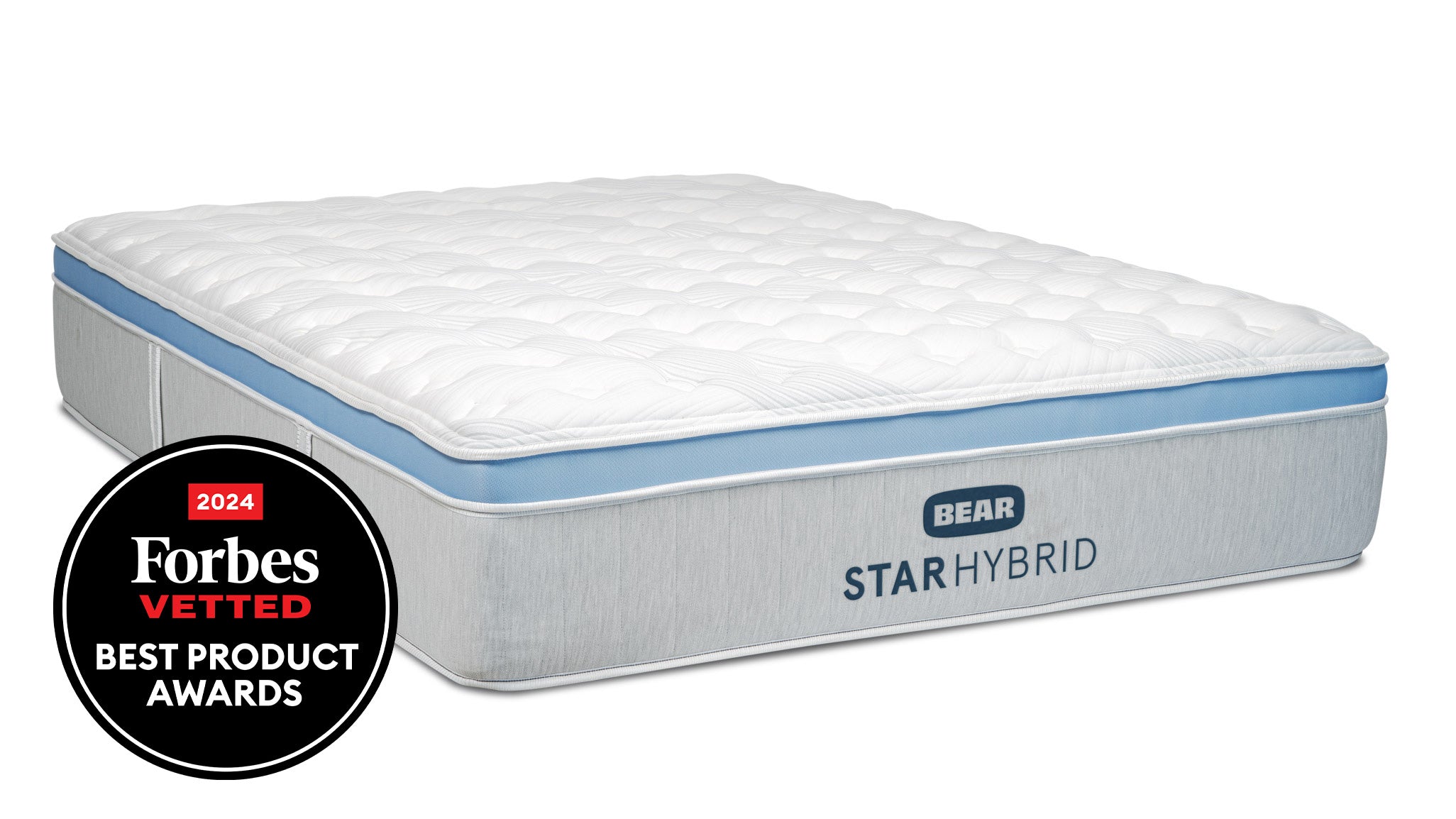
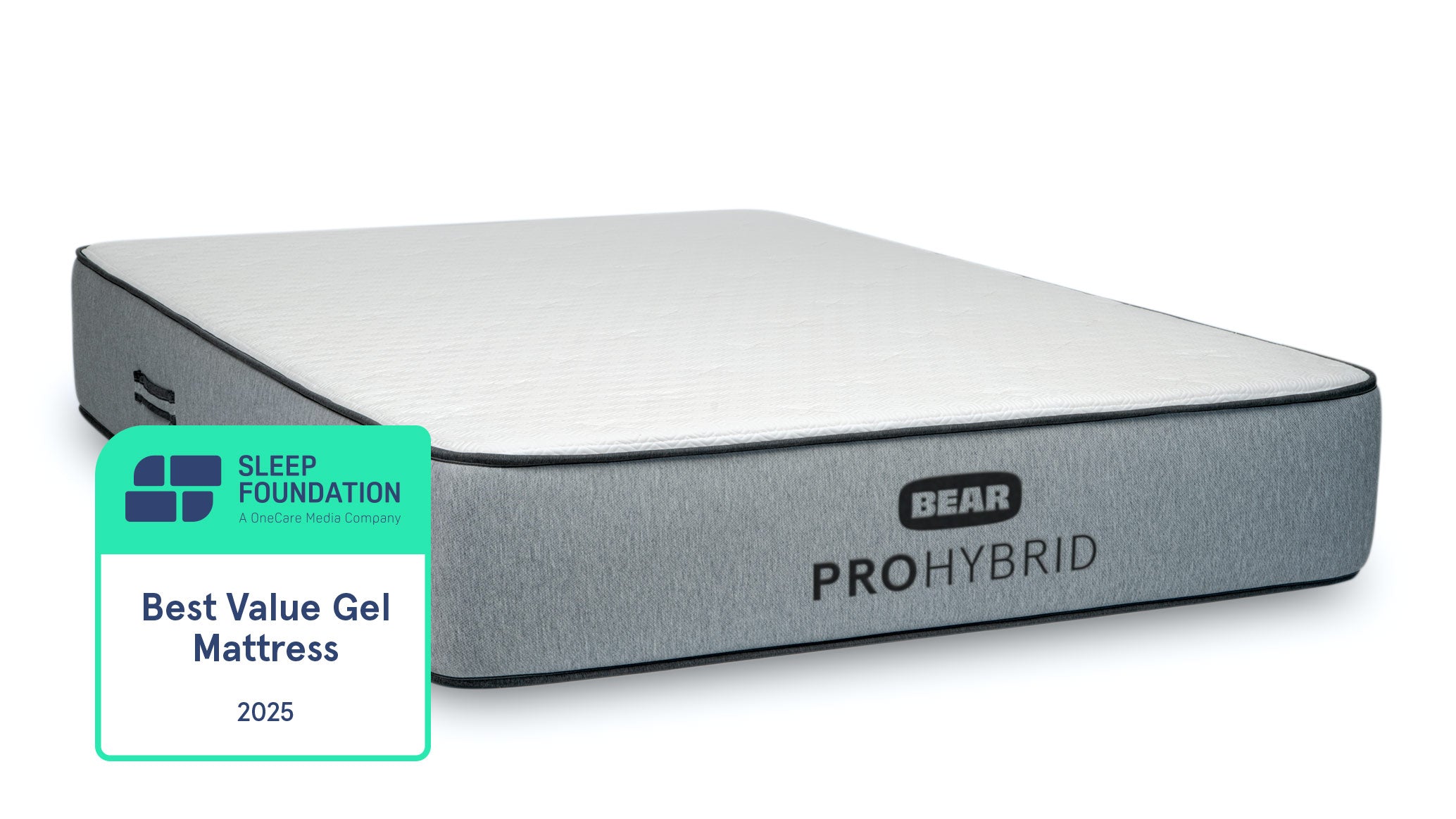
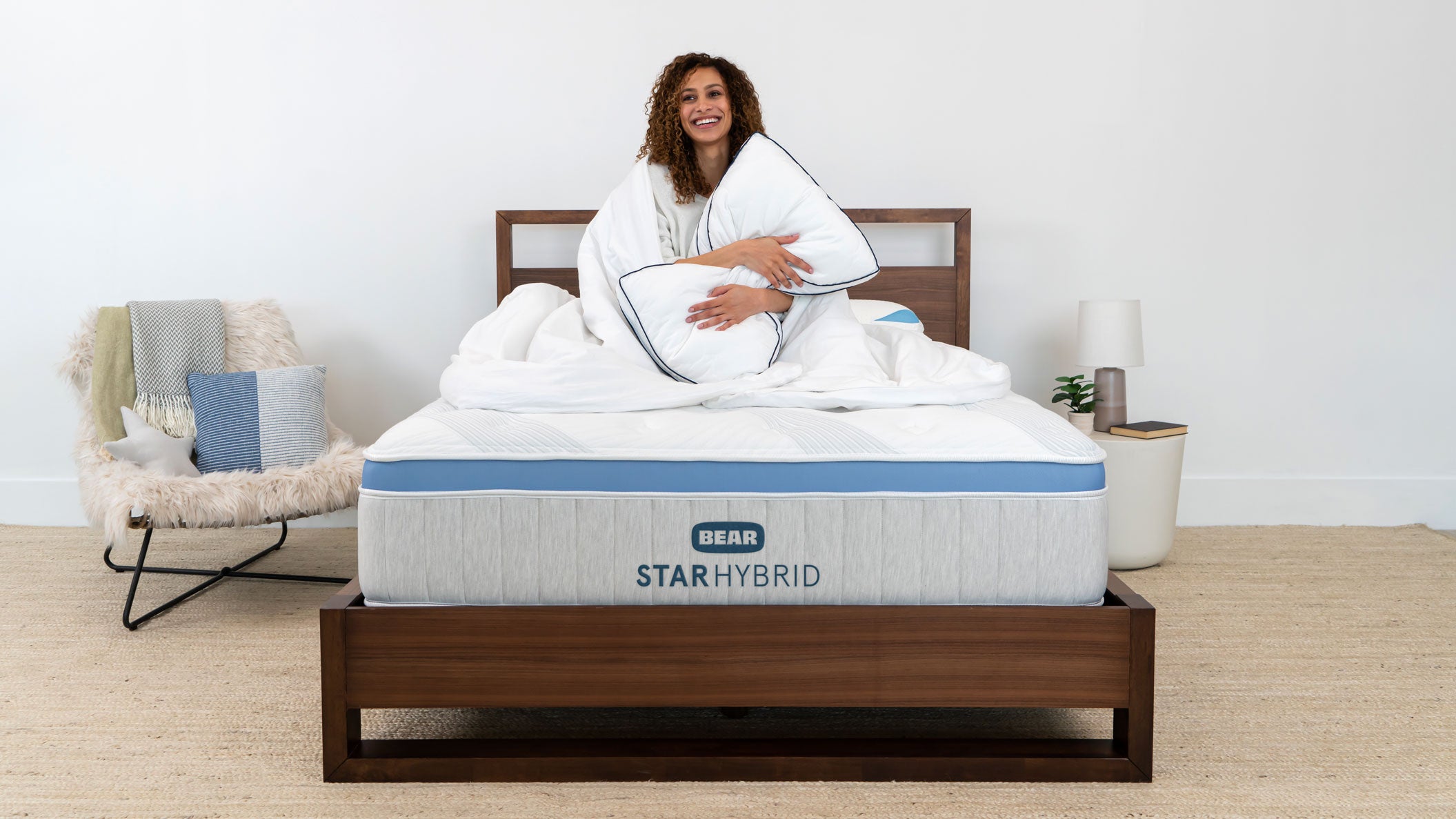
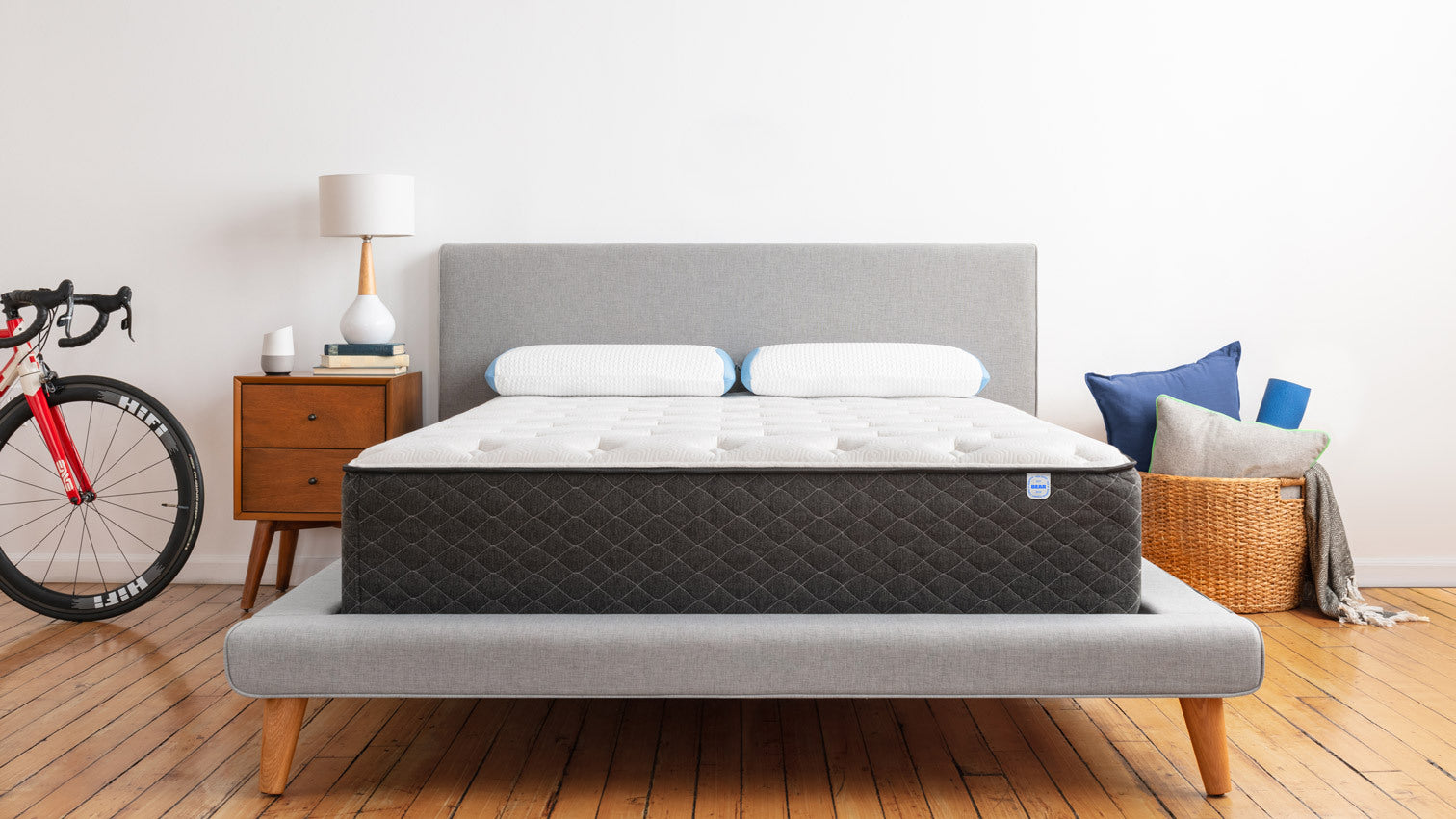
Getting a good night’s sleep is only as good as the mattress you sleep on. Bear mattresses with Sleep Recovery Technology™ are another tool for enhancing recovery and rest. Using infrared technology, our mattresses help regulate body temperature and increase the amount of oxygen going to your muscles. This lets you sleep more comfortably and recover faster.
Disclaimer: Bear does not provide medical advice. All resources on the Bear blog, including this article, are informational only and do not replace professional medical counsel. Talk to your doctor about any health, mental health, or sleep-related issues.