


In 2024, the American Academy of Sleep Medicine found that 37% of Americans have tried out at least one viral sleep trend they saw on social media (we’re looking at you, mouth-taping!).
But instead of following the latest trend on TikTok, you can look to improving your sleep quality with strategies that are recommended by sleep experts and backed by research. In a nutshell, that’s what biohacking your sleep is all about.
What Is Biohacking?
Biohacking is when you make changes to your lifestyle using scientific evidence and technology to improve your health. It’s a do-it-yourself way to improve your sleep. This can range from making simple lifestyle changes to more advanced interventions using technology like sleep tracking or smart mattresses. Biohacking sleep is an intentional approach based on research and facts, so you can make informed decisions about your health.
The Science Behind Sleep Biohacking
Biohacking leverages the body’s own processes and your internal clock, also known as your circadian rhythm. This can help you improve your sleep quality and align your sleep time with your natural sleep-wake cycle.
Sleep is also important to the recovery and repair process of muscles and tissues that your body only gets during the restful deep stage of sleep, when your body is hard at work restoring itself.
Biohacking Approaches for Sleep Optimization
When we talk about biohacking for improving your sleep, we typically focus on three main categories of optimizing sleep: nutrition, your sleep environment, and using technology to optimize your rest.
Nutritional Biohacking for Sleep
You can use nutrition to your advantage to biohack your sleep and improve sleep quality. Some common examples include:
- Time-Restricted Eating: Eating too close to bedtime can stimulate your digestion and metabolism, which can keep you tossing and turning. Many biohackers don’t consume alcohol or caffeine at least six hours before bed, and stop eating about three hours before hitting the pillow.
- Sleep-Supporting Supplements: Some over-the-counter (OTC) supplements may support your sleep goals. Research has shown supplements like L-Theanine, melatonin and glycine may help improve sleep quality.
- Evening Nutrition Strategies: Eating foods that contain tryptophan, magnesium or melatonin can also send signals to your brain that it’s time for bed. These substances are naturally found in your body and aid in sleep. You can also try eating foods or drinking beverages that contain these ingredients to see if they improve your sleep, such as tart cherry juice, warm milk, almonds, and soy products.
- Personalized Nutrition: A diet based on your genetics might make you more in tune with your body and know how certain foods affect your sleep. Known as nutrigenomics or a DNA diet, it uses genetic testing to tailor recommendations. There are many companies advertising OTC nutrigenomics testing, but working with a registered dietitian is the best way to interpret results and apply them.
Environmental Sleep Optimization
You can biohack your bedroom environment to create an ideal space for a good night’s sleep—using the way your body works naturally. Sleeping in a cool (60 to 67° F), dark and quiet room is the ideal sleep environment because it’s precisely what your body wants.
Sleeping in total darkness helps regulate levels of melatonin, your body’s “sleep hormone.” Light inhibits melatonin production, which is also why using screens before bed can make it hard to fall asleep.
Using a sound machine or a fan for white noise can help block out disruptive noises. Don’t forget comfortable sheets and calming bedroom colors like blues and greens. Research shows the color blue can reduce stress levels.
Technology-Assisted Sleep Biohacking
Years ago, the technology that was available for sleep health was only used by medical professionals in clinical settings. But now it’s easier than ever to use technology as a tool to understand your own sleep patterns and where you can improve.
Sleep tracking devices like smartwatches and rings are easily accessible at wide-ranging price points. You can also invest in a smart mattress with technology that detects sleep disruptions and adjusts your sleep position or temperature.
Tracking heart rate variability (HRV) during sleep shows how your body handles stress and recovery. HRV is the tiny time difference between heartbeats, regulated by your nervous system. Low HRV may indicate poor sleep, but some sleep biohacks listed below may help raise it and improve your rest.

Evidence-Based Biohacking Techniques for Better Sleep
Light and Circadian Rhythm Hacking
Light has a big impact on your circadian rhythm because it controls how much melatonin your body makes. Melatonin levels rise at night in darkness, and decrease in the morning with natural light. So use soft, dim lights at night and keep your bedroom dark. But in the morning, make sure you get plenty of natural sunlight to feel alert.
Sunrise alarm clocks can also simulate approaching dawn, which can make the transition from night to day easier, boost your mood, and help regulate your circadian rhythm. It’s a bit more natural (and far less jarring) than someone suddenly turning on a bright bedside lamp.
But not all light is created equal. The blue light from screens suppresses melatonin and makes it harder to sleep. One study found that 2-hour exposure to blue light in the evening restricted the melatonin production needed for sleep. Consider limiting screen time or using blue-light filters before bed.
Breathing and Mindfulness Protocols
Relaxation techniques like breathing and mindfulness practices can do more than help you calm down. They can be great to do before bed to help you sleep better and even help manage stress. Having too much stress in your life can result in poor sleep quality and a disrupted circadian rhythm.
You don’t even have to do these using any technology—and you can do them anywhere. Some techniques include:
- Mindful Breathing: The practice of focusing on your breathing and feeling your abdomen rise and fall can help you relax and sleep better, according to research.
- Belly-Breathing: Also known as diaphragmatic breathing, this is another breathwork technique you can try before bed. It entails breathing slowly through your nose, concentrating on keeping your chest still and only moving your abdominal muscles in and out.
-
Mindful Meditation: Using mindfulness helps you stay in the present and accept thoughts and feelings without any judgment. For example, guided meditation using an app or audio track can support better sleep. Some meditation practices like yoga and tai chi use movement combined with controlled breathing to support overall wellness, including sleep health.
Temperature Regulation
Your body naturally lowers its temperature at night, so sleeping in a cooler room helps prevent overheating and sweating—both of which can keep you awake. Experts say a room temperature of 60-67°F is ideal to fall and stay asleep.
If your room feels too humid, it’s not your imagination that it’s harder to fall asleep. Rooms with high humidity can feel warmer, according to research. Using a dehumidifier doesn’t actually cool off your room, but it can suck up the excess moisture in the air and make it more comfortable to fall asleep.
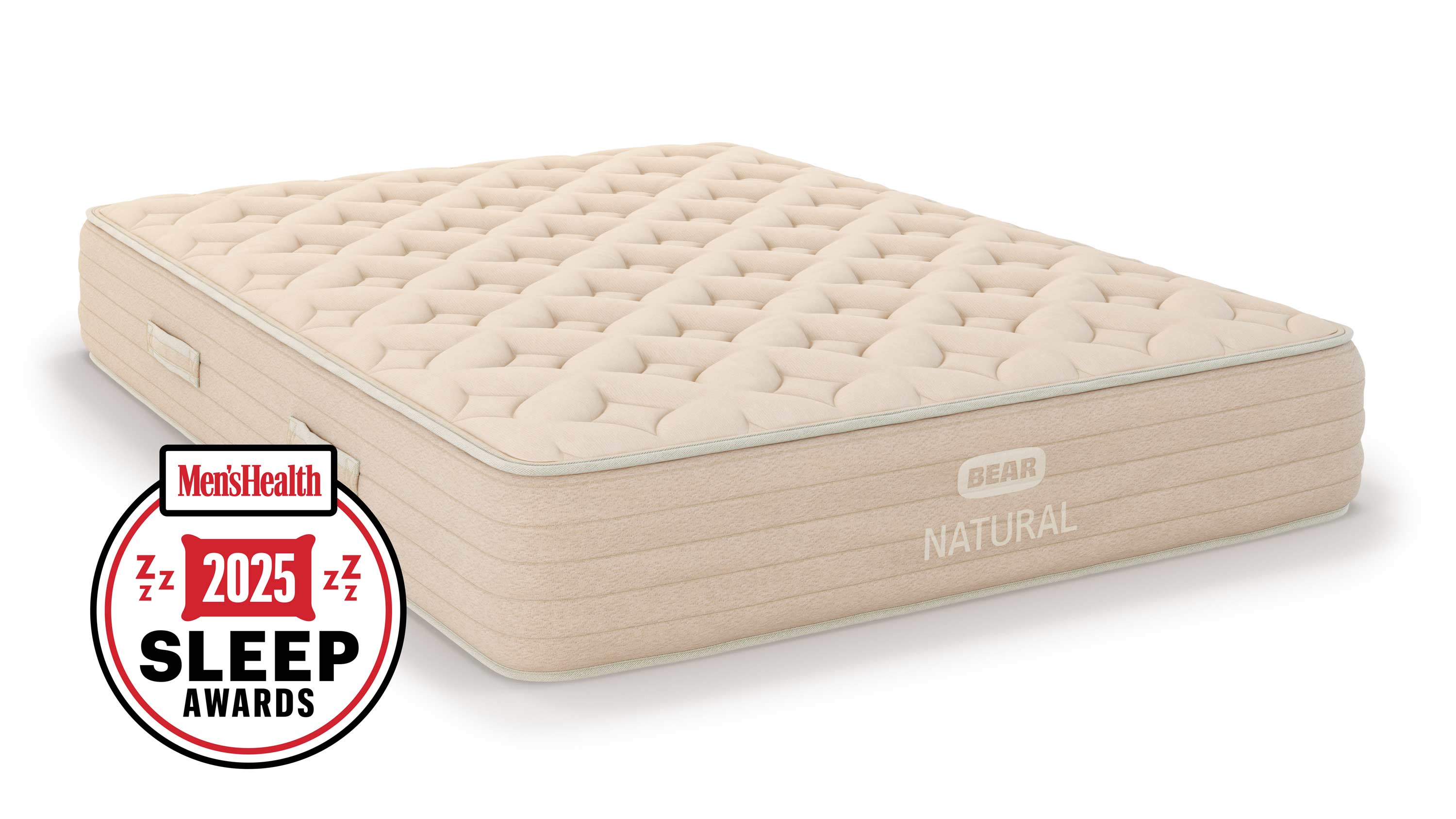
The mattress you sleep on also plays a role in temperature regulation. Some lower-end memory foam mattresses without breathable construction or cooling features can trap heat, which may make you sleep hotter. If a new mattress isn’t in your budget, try a cooling mattress cover and breathable sheets to dissipate body heat.
If you’re interested in supporting your body’s natural temperature regulation with the latest mattress technology, check out Bear’s Celliant® Infused Cover option. How does it work? Advanced fibers absorb excess body heat and convert it into infrared energy, which is then reflected back to your body. This process supports temperature regulation, and the recycled energy increases cellular oxygenation, perfect for biohackers who want to maximize their overnight recovery. The Celliant cover is currently available with select Bear mattresses, including the luxury Elite Hybrid.
If you’re interested in supporting your body’s natural temperature regulation with the latest mattress technology, check out Bear’s Celliant® Infused Cover option. How does it work? Advanced fibers absorb excess body heat and convert it into infrared energy, which is then reflected back to your body. This process supports temperature regulation, and the recycled energy increases cellular oxygenation, perfect for biohackers who want to maximize their overnight recovery. The Celliant cover is currently available with select Bear mattresses, including the luxury Elite Hybrid.

Measuring Sleep Success: Key Biomarkers and Metrics
How can you tell if these techniques are really working? Start with how you feel in the morning: Do you wake refreshed, sleep through the night, and get through the day without naps? Likely, you’re getting enough quality sleep.
A sleep diary can reveal patterns and can help your healthcare provider with data to look for issues like insomnia or sleep apnea. Lab tests measuring melatonin or cortisol can also give insight into how your circadian rhythm is functioning and if high stress levels are affecting your sleep.
Wearable trackers offer data on HRV, sleep stages, and total sleep. They can provide useful baseline information, but keep in mind that they aren’t as accurate as a lab sleep study. A sleep study is done in a laboratory with trained professionals and can diagnose sleep conditions.
Final Considerations and Getting Started
Too much sleep data can be overwhelming, so take a gradual approach to biohacking. A smartwatch or ring may reveal patterns and help you find your ideal bedtime, but if it causes anxiety or worsens sleep, it might not be right for you.
Choose one or two biohacks to start out with before moving on to tech, such as cooling off your bedroom or incorporating routine breathing exercises before bed to see if your sleep improves.
If your sleep still doesn’t improve and you're waking up yawning, check in with your healthcare provider. You might have an underlying sleep condition that can be treated using medications or other therapies.
Disclaimer: Bear does not provide medical advice. All resources on the Bear blog, including this article, are informational only and do not replace professional medical counsel. Talk to your doctor about any health, mental health, or sleep-related issues.
Disclaimer: Bear does not provide medical advice. All resources on the Bear blog, including this article, are informational only and do not replace professional medical counsel. Talk to your doctor about any health, mental health, or sleep-related issues.