


Wellness influencers and fitness experts tend to focus on optimizing performance with things like supplements and protein maxxing. But what about recovery?
Whether you’re an elite athlete or an armchair exercise enthusiast, recovery is a crucial part of any training plan. It prevents injuries to ensure you’ll be able to keep doing what you love—and gives you the strength you need to do it well.
Understanding the importance of recovery, along with the best recovery tools for athletes, will help you level up your athletic performance (and overall health).
Critical Areas of Recovery for Athletes
When it comes to the best recovery tools for athletes and finding what’s right for you, it’s helpful to look through the lens of recovery focus areas. While the following categories are interconnected, looking at them categorically is a useful framework for identifying your needs and holistically supporting your active lifestyle.
Muscle Repair, Mobility, and Injury Prevention
It’s no secret that physical activity puts a strain on our muscles and joints. But just because this wear and tear is to be expected doesn’t mean we can’t use tools to help us manage it.
Recovery strategies such as hot/cold therapy, compression, stretching, and massage can be helpful for repairing muscle damage, maintaining mobility, and preventing injuries.
Nutrition & Hydration
Our bodies need fuel to perform optimally and refueling to recover. Experts suggest eating protein, complex carbohydrates, and healthy fats—and drinking plenty of water—to help support recovery.
Sleep
Your body releases up to 70% of human growth hormone (HGH) during sleep. Secreted by the pituitary gland, HGH is the chemical used for muscle repair and strengthening.
Mindfulness
Any elite athlete will tell you that reaching your peak requires just as much mental toughness as physical prowess. Mindfulness practices, like meditation, have been shown to reduce athletes’ risk of injury while improving their overall wellbeing.
Top 10 Recovery Tools for Athletes
Now that you know the key areas of recovery, you can consider the top tools that support these areas. Keep in mind that some of the tools are to be used after a workout, while others can be used for healthy daily routines or to address specific stress and fatigue symptoms.
1) Hydration Heroes
The average adult should drink 2.7 liters (women) or 3.7 liters (men) of water a day. But as an athlete, you likely benefit from even more. According to Hopkins Medicine, proper hydration assists muscle function, helps cushion your joints, affects flexibility and speed, prevents cramps, and more.
This category of recovery tool includes anything from water bottles and electrolyte packets to smartphone apps that track your water consumption. Whatever reminds you to get the hydration you need—it’s an essential tool for recovery.
2) It’s a Stretch
Some of the best recovery tools for athletes are also the simplest and most affordable. Basic tools for stretching can help you keep your muscles and joints feeling good after exercise and beyond. Options include:
-
Yoga mats
-
Foam rollers
-
Stretching wheels
-
Resistance bands
-
Stretching straps
-
Slant boards
-
Utilizing chairs and stools
3) Hot & Cold Therapy Tools
Whether you’re using an ice pack to reduce inflammation and numb pain after injury or applying capsaicin cream to boost blood flow and ease muscle tension, hot and cold therapy are science-backed recovery tools.
4) Compression Garments
As the name implies, compression garments like socks, tights, and leg sleeves are designed to compress the area they cover. Studies show that compression garments may improve local circulation and reduce the perception of soreness and pain after exercise. However, it’s important to note that current research doesn’t support their efficacy for improving performance.

5) Massage Guns & Other Percussive Therapy Tools
Percussive therapy tools like massage guns combine fast, repetitive pressure with vibrations to improve mobility and ease soreness after exercise. While experts say these recovery tools can be used every day, they recommend not targeting a single muscle group for more than two minutes per session.
6) Sauna and Infrared Tech
Using an infrared sauna or other infrared tech tools has been shown to speed up recovery and improve athletic performance. How does it work? Infrared energy penetrates tissue more deeply to boost blood circulation and minimize soreness.
7) Nutrition Support
Like hydration heroes, this category of recovery tools includes anything that helps you keep your body well-fueled, not just for exercise, but for the hustle and bustle of daily life.
Some nutrition support tools that may be beneficial are nutrient-tracking apps and subscriptions, meal planning services or apps, meal delivery subscriptions, and supplements.

8) Sleep Support
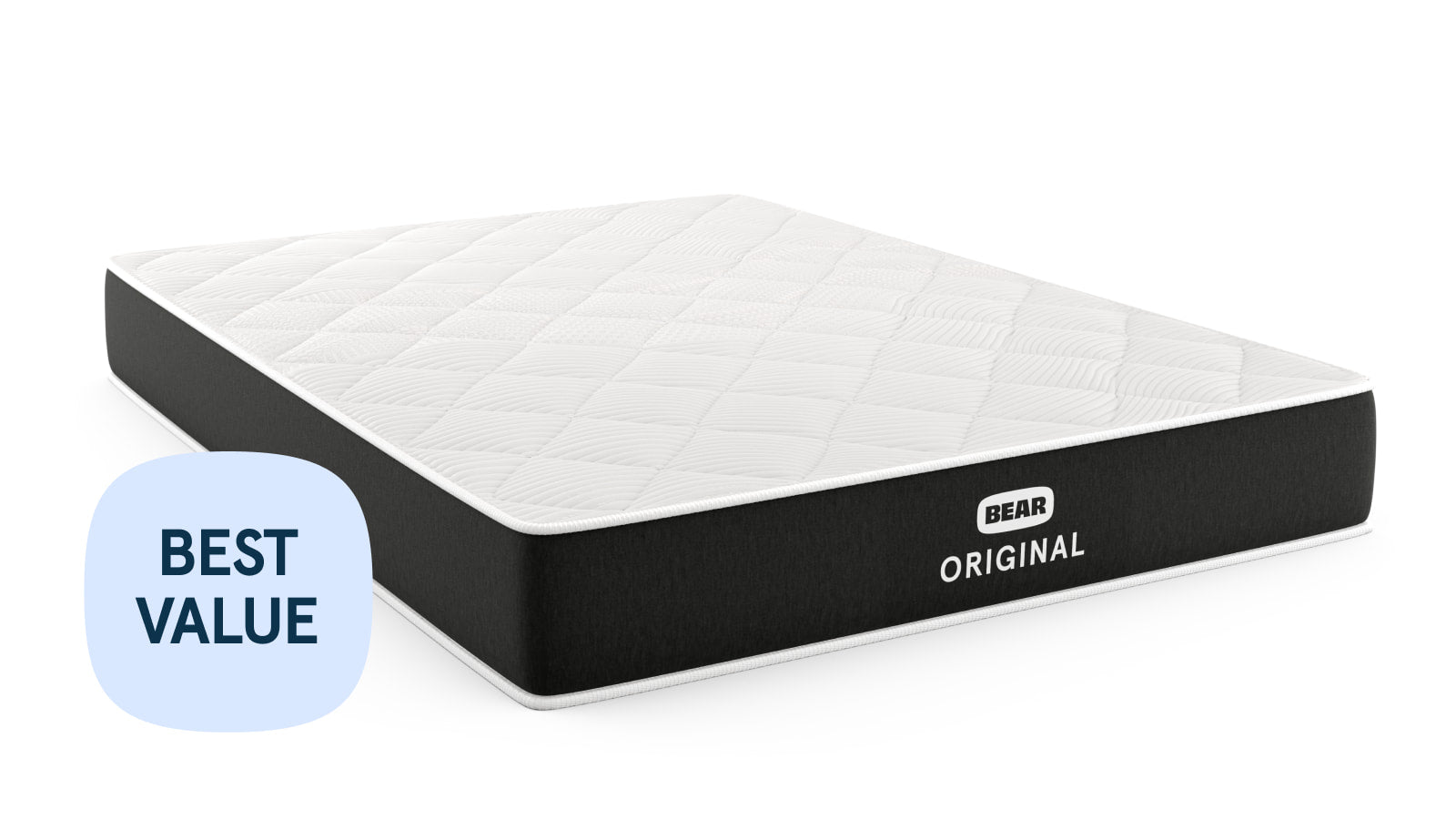
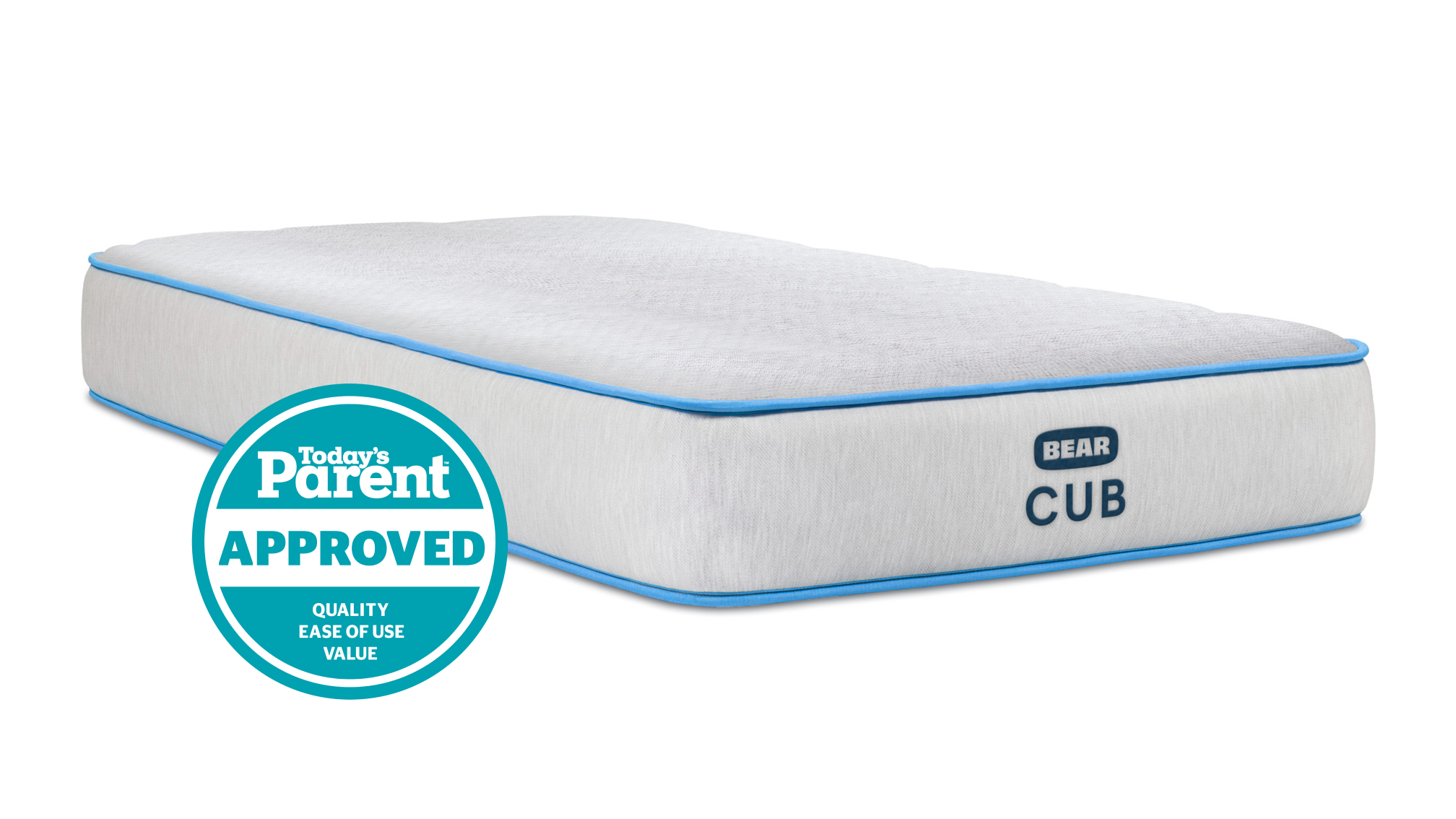
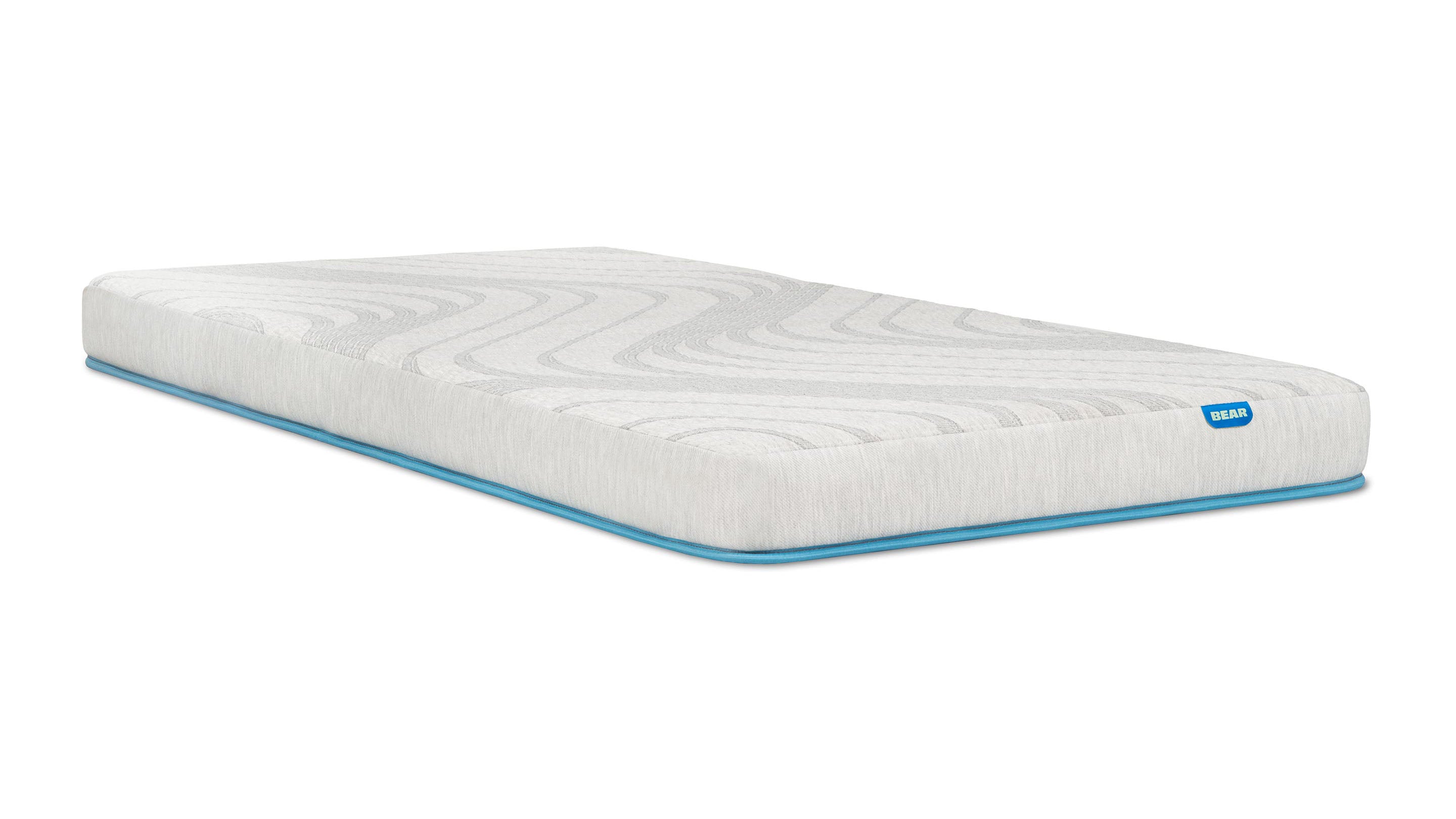
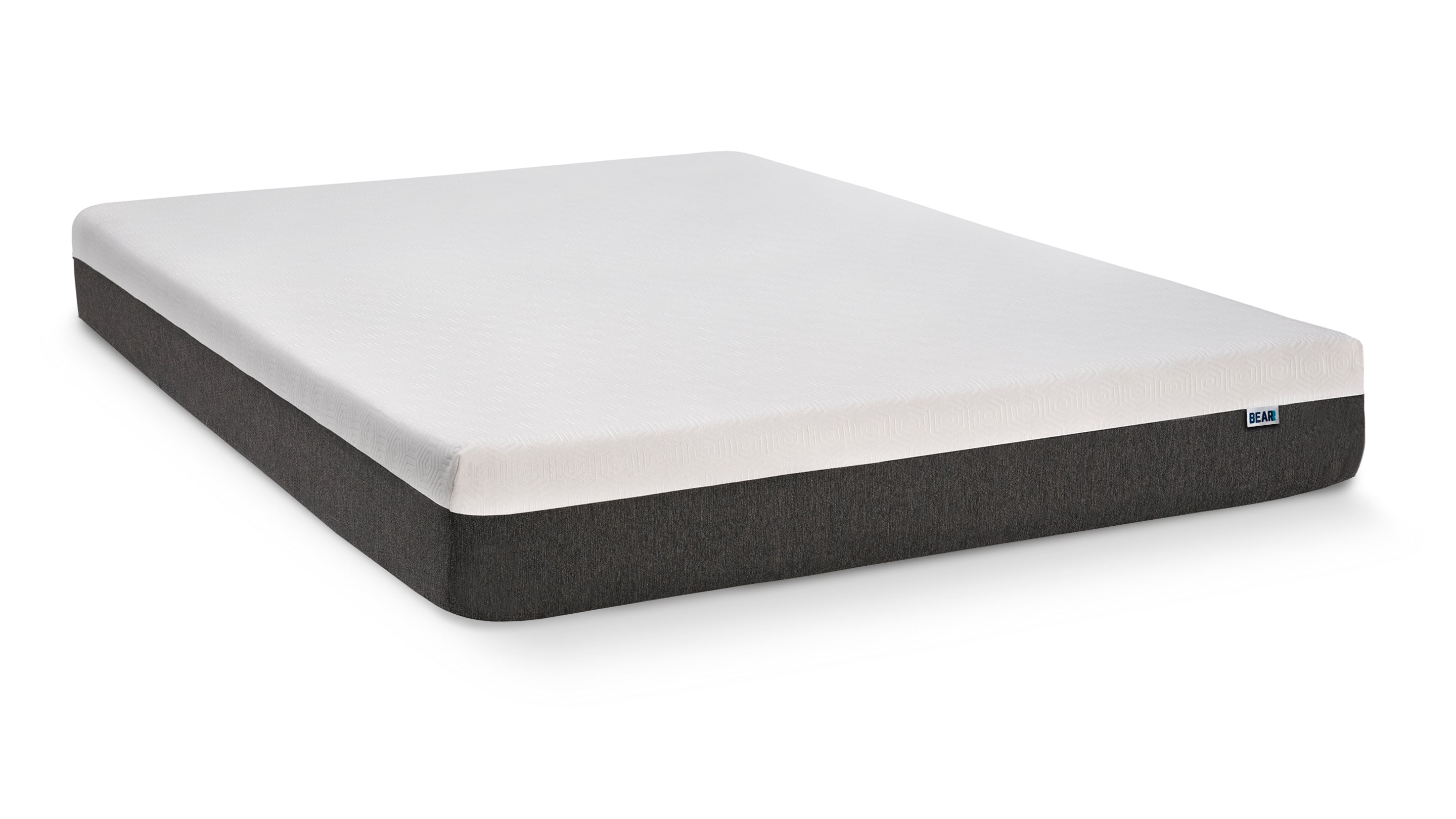
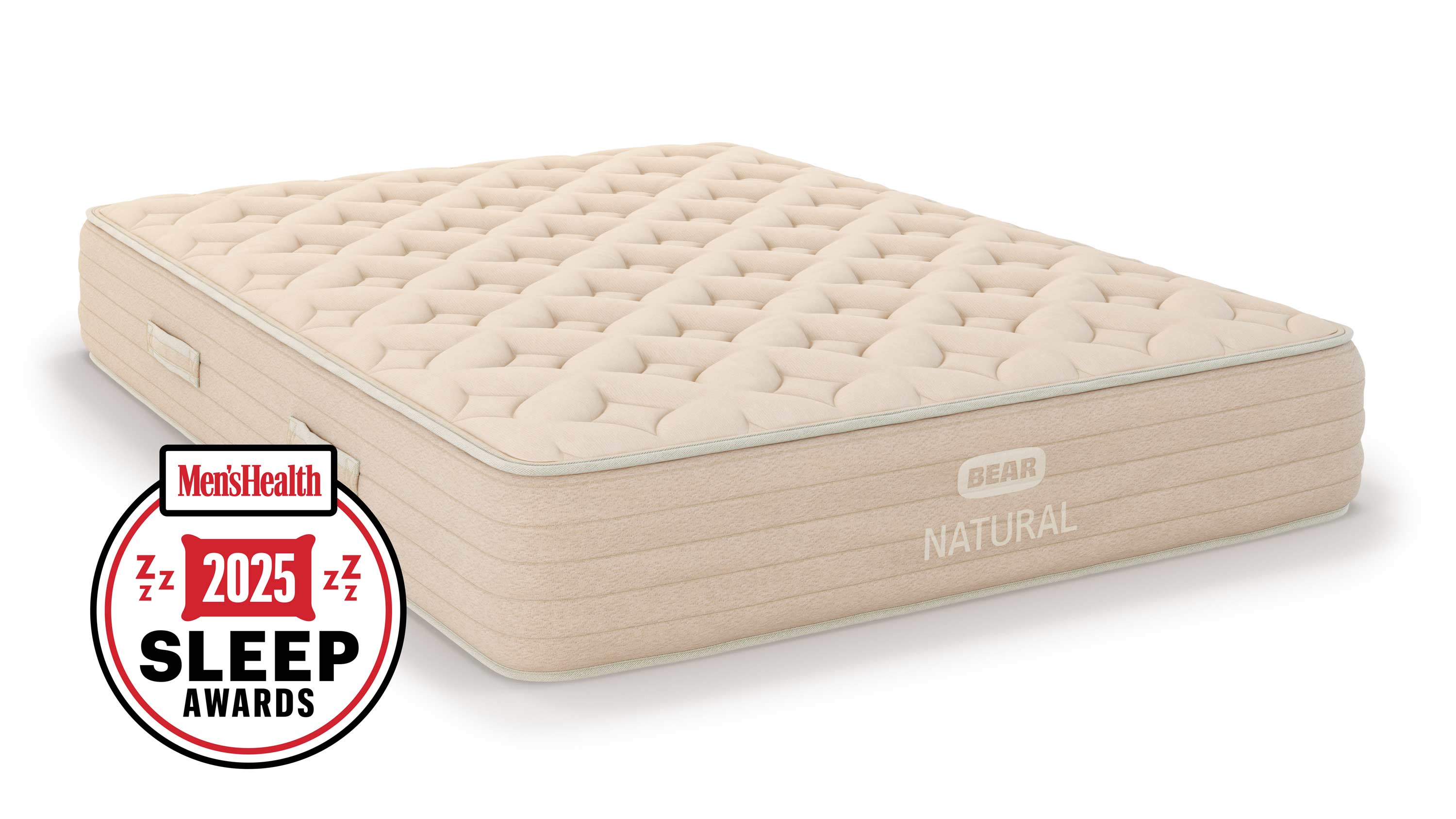
As we covered in our Muscle Recovery Guide, quality sleep is essential for athletes, and it’s much easier to achieve when you have the right sleep setup. The best mattress for recovery is one that provides the right level of support for proper spinal alignment, pressure relief for achy joints, and temperature regulation so you can get the deep, restful sleep your body needs.
Because Bear specializes in mattresses for athletes and active lifestyles, every model we offer is a recovery tool. Consider our Sleep Recovery Technology™. It’s powered by Celliant® infrared technology (the same infrared tech mentioned above) to help you recharge while you sleep. It recycles infrared energy, increasing local circulation and cellular oxygenation for faster recovery after exercise.
9) Wearable Trackers
Whether you wear it on your wrist like a watch or on your finger like a ring, wearable trackers provide you with data you can use to optimize your performance and recovery.
Tracking things like workouts, nutrition, hydration, and sleep gives you insight into your habits and lifestyle that can help you be your best self, on and off the field.
10) A Subscription for a Meditation App
It can be hard to find time for mindfulness amid the chaos of life. A meditation app can provide valuable support by helping to hold you accountable so that you’re able to be consistent with your practice.
Recovery Matters
Now that you know the key recovery areas and the best tools to support an active lifestyle, you can start incorporating these tools into your everyday life. Don’t feel pressure to do all the things, though—even picking just 1-2 tools that match your biggest bottleneck can make a big difference in your recovery. Focus on building a simple routine and staying consistent, because that’s when the tools really start to pay off.
Disclaimer: Bear does not provide medical advice. All resources on the Bear blog, including this article, are informational only and do not replace professional medical counsel. Talk to your doctor about any health, mental health, or sleep-related issues.