
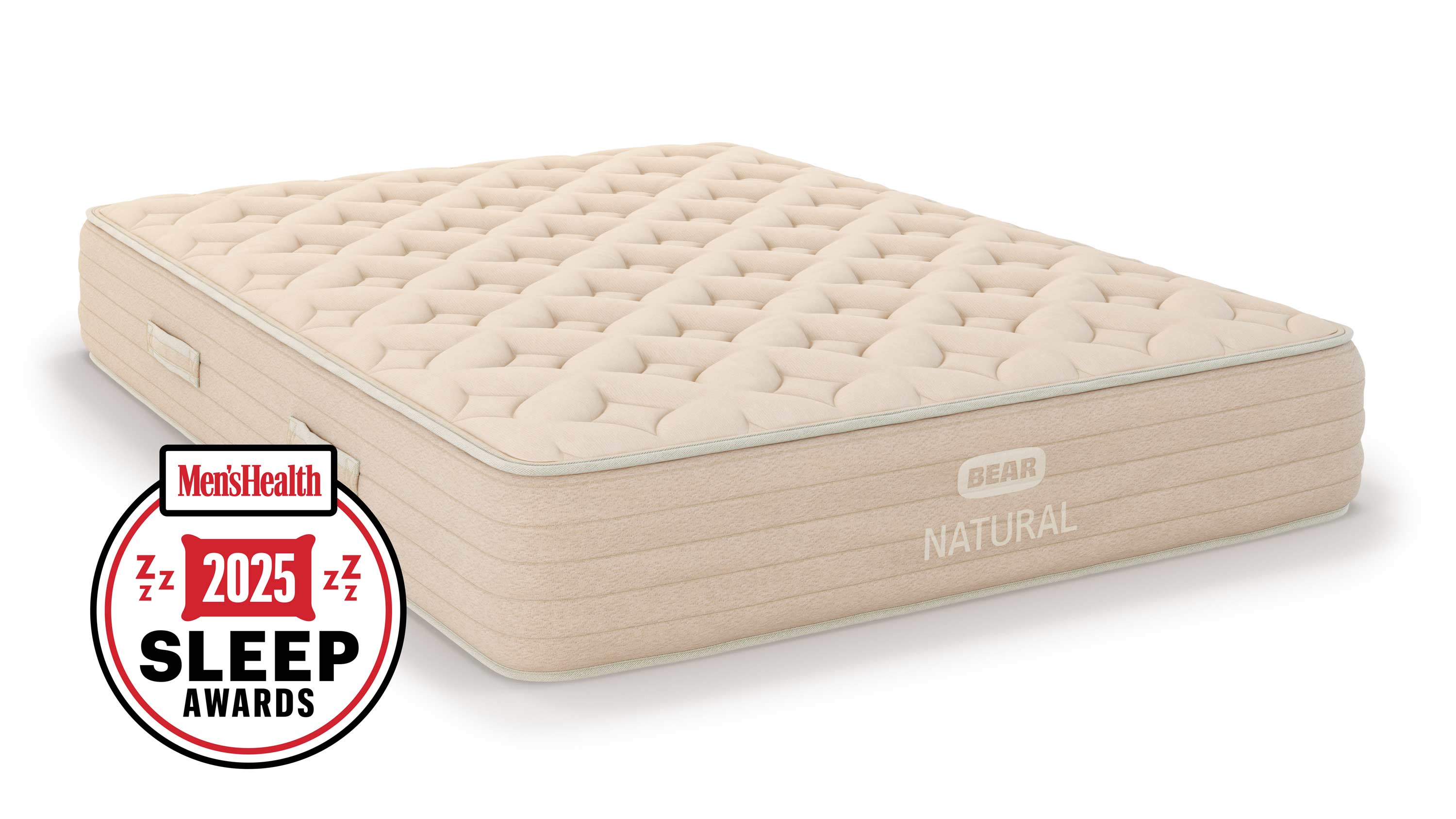


We all know what the right mattress does for our sleep, but have you ever stopped to consider what you can do for your mattress?
While technically optional and not necessary for a good night’s sleep, a mattress protector is an easy and affordable way to protect the investment you’ve made in your mattress. Simply putting on a cover helps preserve the comfort, hygiene, and longevity of your mattress.
So, if you’re asking yourself, “Do I really need a mattress protector?”, it’s helpful to consider what a mattress protector can do—and what can happen to your mattress if you choose to go without one.
Why Mattress Protectors Matter
To decide whether or not you need a mattress protector, you should first understand the role they play in preserving your mattress (and your health).
Mattresses Are Vulnerable to Messes, Spills, and Sweat
Without a layer of protection, your mattress is exposed to the everyday messes that make up daily life.
“Netflix and chill” becomes significantly less chill, for example, when you spill your coffee all over your bed. Any parent can tell you it only takes one stomach bug or leaky diaper to do permanent damage to your mattress. And pet owners, you know how it goes: dog hair everywhere, and why does the cat always pick the bed to throw up on?
Even if you don’t eat in your bed and you’re the only one who sleeps in it, your mattress still soaks up sweat and body oils overnight.
Mattresses Absorb More Than You Realize
Most of us are far too busy to consider the absorbency level of our mattresses. But by nature of the materials that make them (fabric, foam, etc.), mattresses absorb far more than we imagine.
Things currently accumulating in your uncovered mattress may include:
- Dust mites, pet dander, and other allergens
- Dead skin cells
- Odors
Without a barrier, your mattress also absorbs moisture that can lead to mold and mildew, both of which can trigger allergies and illnesses.
Mattresses Are Tough to Clean
While you can spot clean smaller stains, big spills are tricky to handle. To prevent the aforementioned mold and mildew, you need to work out the stain while using as little liquid as possible. Then, you have to wait for all layers of the mattress to completely dry before making the bed and using it again. Depending on the nature of the mess, you may need to replace the mattress altogether if you can’t get it clean and dry.

The Risks of Skipping a Mattress Protector
When deciding if you really need a mattress protector, it’s crucial to consider the risks of going without one.
-
Permanent Stains and Odors: Given how quickly liquids and other substances penetrate the foams and fabrics that make up a mattress, stains often set in before you even have a chance to clean them up. And where staining occurs, odors will generally follow—and linger.
-
Allergen Buildup and Health Concerns: Without a barrier to protect it, your mattress may be steadily accumulating allergens like dust mites, pet dander,and mold. This buildup may be irritating (or even dangerous) for allergy or asthma-prone sleepers.
- Shortened Mattress Lifespan: When your mattress is exposed to moisture, the foam and other materials from which it’s constructed begin to break down. Over time, this loss of structural integrity means the mattress becomes less supportive (and more uncomfortable).
Mattress Protector Types
If you suspect that adding a layer of protection to your bed is in your best interest, then your next step is to determine which type of mattress protector suits your needs. Below, we walk through the most common options.
Encasement Protectors (Full Coverage)
As the name implies, encasement protectors like the Bear Mattress Encasement and the Bear Kids Mattress Encasement fully enclose your mattress. They provide 360° protection against dust mites and other allergens (making them ideal for allergy sufferers), as well as bed bugs, spills, and accidents. In addition to providing extra protection for people with allergies and kids, encasement protectors are ideal for guest bedrooms and beds in rental properties.

Fitted Sheet-Style Protectors
This is the most popular style of mattress protector, with good reason. Because mattress protectors are designed to go on (and off) like a fitted sheet, they are easy to remove and wash. So while they don’t offer the full 360° coverage of an encasement mattress protector, they provide the perfect balance of protection and convenience.
Worried that fitted mattress protectors are noisy or uncomfortable? Not if you choose the right one. Bear’s Terry Mattress Protector has a plush terry cloth top in addition to a protective waterproof barrier.
Cooling Mattress Protectors
Do you consider yourself a hot sleeper? You may benefit from a cooling mattress protector made with breathable knits, moisture-wicking fabrics, or active cooling materials.
Bear’s premium GlacioTex Mattress Protector features a cool-to-the-touch design with high thermal conductivity fibers that quickly and effectively pull heat away from your body while you sleep—plus waterproof protection to guard against spills, stains, and life's everyday accidents.
Organic, Natural, or Semisynthetic Protectors
These mattress protectors are made with natural fibers like cotton and wool. They’re a great choice for people with sensitive skin, as well as eco-conscious shoppers hoping to eschew synthetic materials in favor of natural alternatives. You’ll also find options made with semisynthetic materials like bamboo viscose or Tencel™.
Additional Tips for Choosing the Right Mattress Protector
If you’ve decided the answer to “Do I really need a mattress protector?” is a resounding yes, keep narrowing down your options by analyzing your unique sleep situation.
Consider Your Primary Needs
What is it that you want out of your mattress protector? Is spill protection your main concern? Are you a sweaty sleeper who craves a cooling relief? Do you prefer a plush cover with added softness? Does it need to be machine washable? Answering these questions will help you figure out the best option for your unique needs.
Check Your Mattress Measurements
Even the world’s best mattress protector won’t function if it doesn’t fit. Of course, you’ll want to choose the right size for your mattress. You’ll also want to consider depth, especially for tall mattresses (like 14–15” models).
Caring For Your Mattress Protector
Taking good care of your mattress protector is essential for it to properly protect your mattress.
-
Washing Guidelines: Generally speaking, it’s recommended to wash your mattress cover every month or two, but you should consult the manufacturer's guidelines to be sure. No matter how often you wash, use cold water, gentle cycles, and mild detergents to protect waterproof membranes.
-
Drying Best Practices: Mattress protectors should be air dried or put in the dryer on the low heat setting. Higher temperatures can damage waterproof layers, making your mattress protector vulnerable to leaks.
-
When to Replace Your Protector: If your mattress protector is wearing thin or tearing, or if it seems to have changed in texture or lost its waterproofing, it may be time for a new one. The typical lifespan of a mattress protector is one to two years.
Additional Tips to Keep Your Mattress Safe and Clean
In addition to using a mattress protector, consider doing the following to keep your mattress comfortable and in tip-top condition:
- Rotate your mattress regularly
- Use a mattress topper for comfort and added protection
- Vacuum your mattress occasionally
- Let your mattress breathe when changing sheets
- Avoid eating or drinking in bed if possible
Protect Your Mattress, Protect Your Health
Considering how much time (and money!) you spend on your mattress, taking a simple step to ensure its longevity seems like a no-brainer. Choosing a mattress protector that meets your specific sleep needs is an easy way to safeguard not just your mattress, but also your comfort, hygiene, and overall health.
Disclaimer: Bear does not provide medical advice. All resources on the Bear blog, including this article, are informational only and do not replace professional medical counsel. Talk to your doctor about any health, mental health, or sleep-related issues.