


Room-darkening blinds or sheets with a high thread count can’t improve the quality of your sleep the way that physical activity can. Exercise is research-proven to help you sleep more restfully, and the time of day that you work out may make it easier for you to nod off at night.
If you’re trying to fit an exercise routine into your schedule, you may wonder about the best time to work out. Whether you’re an early bird or a night owl, you should be able to adopt a fitness routine that feels natural to you.
Why work out for better slumber? Exercise and sleep have a symbiotic relationship. Physical activity is research-proven to help you sleep more restfully, and sleep helps your body recover from mental and physical stressors. Figuring out the right time of day to work out may help you improve your sleep, which in turn may help you exercise longer or more intensely.
The Science Behind Workout Timing and Sleep
How Circadian Biology Affects Exercise Performance and Sleep
Your circadian rhythm (sometimes called your internal body clock) drives your sleep-wake cycle. It’s influenced by a number of factors, including exposure to sunlight, digestion, body temperature, and more.
Exercise affects your circadian rhythm, too. When you work out, you should feel more awake and alert afterwards, especially if you’ve exercised outside where it’s sunny. Physically exerting yourself should make you feel tired later in the day, which can help improve your sleep quality.
Research Findings on Exercise Timing and Sleep Quality
Do you prefer to work out early or perhaps late in the day? Research shows that either habit may lead to restful sleep.
A 2025 study in the journal Preventive Medicine Reports looked at the effects of moderate to vigorous exercise in the morning, afternoon, or evening on the sleep quality of more than 700 middle-aged adults over a four-year period. The researchers didn’t observe any differences in sleep quality based on the time of day that people exercised. However, they did find that people who worked out in the morning experienced fewer sleep disturbances overnight.
Research has dispelled a long-standing belief that exercising at night makes it difficult to fall asleep. A 2022 meta-analysis study analyzed the results of 28 studies that looked at the impact of evening exercise on sleep. The paper showed that when young adults and middle-aged adults worked out in the evening at different intensities, it didn’t harm the quality of their sleep.
Morning Workouts: Rise and Dominate
Some people like to exercise early because they start their day feeling charged up. Others prefer to sleep in and exercise later in the day.
Sleep Benefits of Early Training
People who exercise in the morning are strengthening their sleep-wake cycles and supporting healthy sleep habits. Early exposure to daylight and physical activity both help regulate circadian rhythms, so you’ll feel energized in the morning and tired at night if you exercise early.
Physical activity encourages alertness, so when you get moving in the morning, you’ll be primed to focus when you get to work. Exercise can also boost mood, because workouts release the feel-good hormone melatonin, which can put you in the right frame of mind for the day.
Morning workouts may prompt your body to release melatonin earlier in the evening, improving your sleep onset, so that you feel sleepy at bedtime. Early exercise has been linked with better sleep quality, longer sleep duration, and feelings of more restful sleep.
Overcoming Morning Workout Challenges
You may not always want to get out of bed to work out in the morning. To make it easier:
-
Relish the peace and quiet before your gym or neighborhood becomes more bustling.
-
Think of how accomplished you’ll feel, meeting your fitness goals so early in the day.
-
Remember that getting stuck at work won’t derail your workout plans; you’ll be done!
Evening Workouts: Power Through Peak Hours
Some people prefer to exercise in the evening, to burn off the stress of their workday or because they aren’t early birds.
Sleep Considerations for Evening Training
If you work out later in the day, you may feel more alert and awake afterwards, which could make it more challenging to fall asleep at night. Avoid intense workouts right before bed.
Your body’s temperature naturally decreases in the evening, in preparation for sleep. This drop encourages your body to release melatonin, which makes you feel tired. Exercise raises your body temperature, which may hinder your ability to feel tired at bedtime. To avoid difficulty falling asleep after evening workouts, avoid high-intensity exercise, which causes greater increases in body temperature.
Managing Evening Exercise Timing for Optimal Sleep
To optimize your sleep quality when you exercise in the evening, work out an hour or two before your bedtime. If before bed is the only workout time your schedule allows, skip high-intensity exercise. Instead, try more relaxing activities like yoga.
Personalizing Your Optimal Workout-Sleep Window
If you aren’t sure what time of day to exercise, consider your sleep-wake cycle, your work schedule, and your personal preferences.
Assessing Your Chronotype and Sleep Patterns
The term “chronotype” is used to describe your personal body clock’s natural preferences: What times of day you’re inclined to wake up, fall asleep, be active, and feel tired.
Your chronotype aligns with your natural sleep-wake cycle, and it’s influenced by your daily fluctuations in energy. Early birds and night owls have different chronotypes.
When you’re determining the best time to work out, consider your chronotype. Morning workouts may seem right if you wake up early and feel alert. If you wake up feeling groggy and you’re more alert later in the day, you may get more out of evening workouts.
Work Schedule Integration Strategies
Your ability to exercise at certain times will be heavily influenced by your work schedule.
If you work traditional hours, you’ll have a short window for exercise before work and a longer period of time after work. Consider waking up earlier to exercise in the morning if you’re an early bird, but not if you’re a night owl.
If you’re a shift worker, your ability to exercise will also be influenced by your schedule. Depending on your hours and your sleep preferences, you may choose to exercise soon after you wake up, even if it isn’t the morning, or you might prefer working out after you get off of work, even if it’s bright out and you’ll be going to sleep soon. If you have difficulty falling asleep, tinker with the timing of your workouts.
If you have an irregular sleep schedule because your work schedule fluctuates weekly or you regularly travel across time zones for work, you may find it more challenging to find a consistent time to exercise. Determining your chronotype may help you home in on the right time for regular workouts. Adopting a more consistent exercise routine may help you better regulate your sleep-wake schedule.
Testing and Sleep Optimization Approach
To determine the best time of day for your workouts, exercise at different times and track your sleep-quality metrics. Consider:
-
How tired you feel at bedtime
-
How long it takes you to fall asleep
-
Whether you awaken in the middle of the night
-
How well-rested you feel in the morning
With some experimentation, you’ll figure out the optimal time to work out.
Figuring Out What Works for You
Being consistent about exercise and sleep habits can help you maintain a healthy sleep-wake cycle that benefits your physical performance. Working out should help you feel tired at bedtime and sleep well, creating optimal conditions for your body to recover from the rigors of exercise. Waking up feeling restored and well-rested may help you improve your physical performance during your next workout.
Once you understand the way that your body responds to exercise at different times of the day, you can adjust your routine to maximize your athletic results.
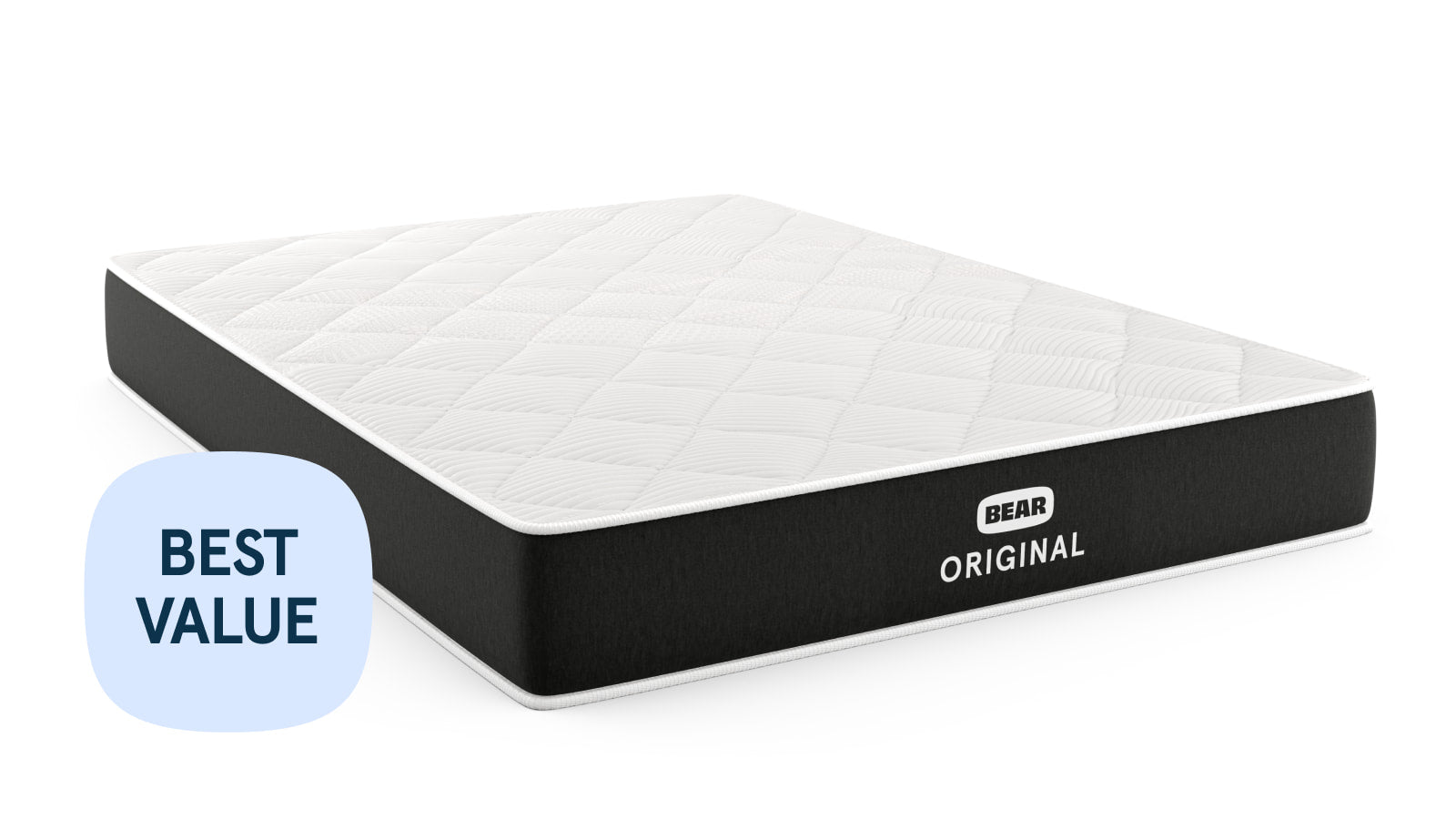
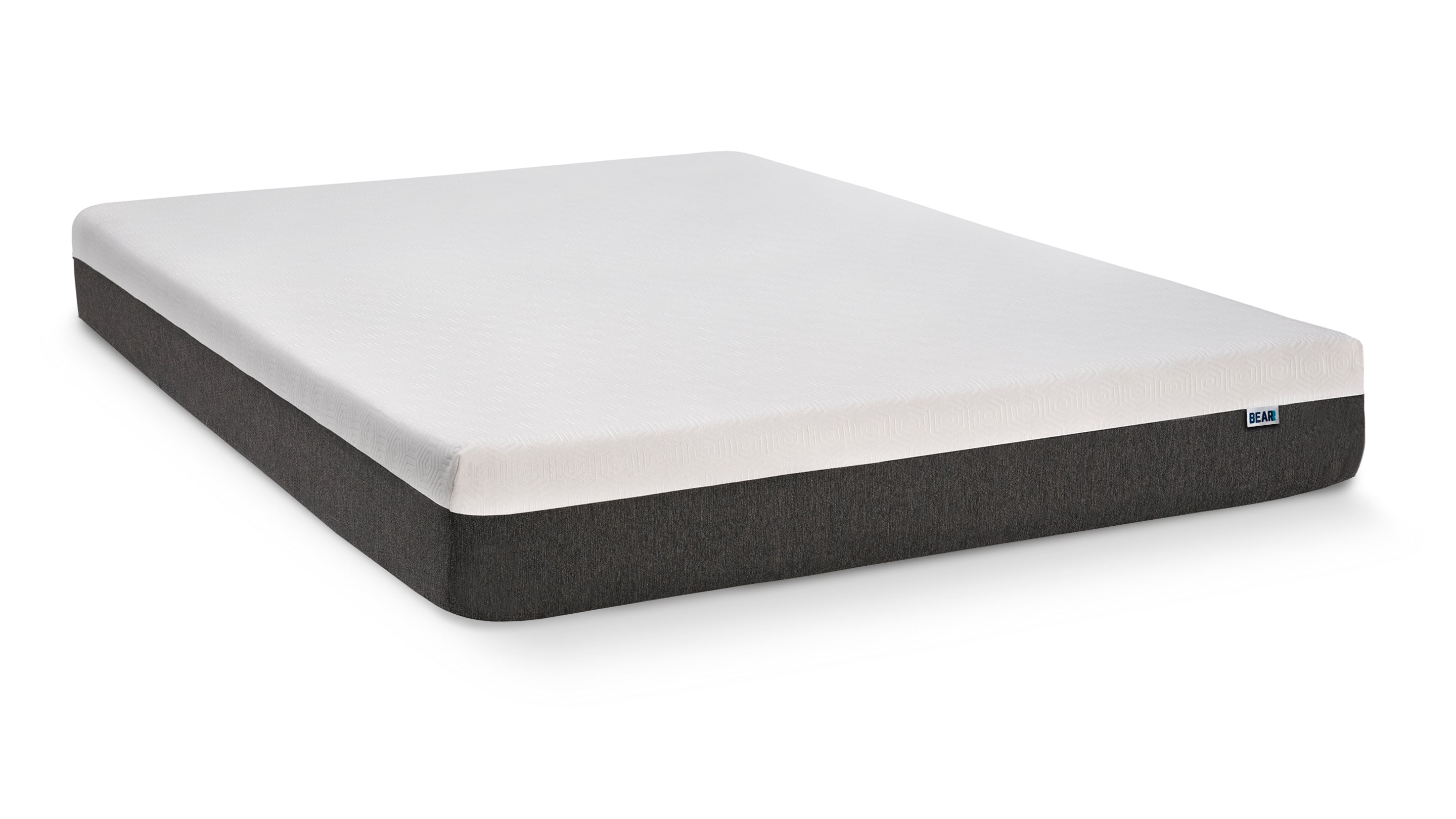
Bear is a premium mattress brand that is dedicated to the needs of people with active lifestyles. Our mattresses are designed to be supportive and comfortable, to improve the quality of your sleep, so your body can recover from your workouts at night. If you’re in need of a new bed, take our Sleep Quiz to determine which Bear mattress is your best match!
Disclaimer: Bear does not provide medical advice. All resources on the Bear blog, including this article, are informational only and do not replace professional medical counsel. Talk to your doctor about any health, mental health, or sleep-related issues.