


When you push yourself at the gym, you might run faster, swim longer, or lift more than ever before—but you might also feel more sore than usual afterwards.
Muscle soreness is common after intense exercise. Working out causes microscopic tears within your muscle fibers, which can make you feel achy for a day or two. During muscle recovery, your body repairs the microtears, alleviating the discomfort while building muscle.
As an athlete or anyone with an active lifestyle or regular workout regimen, how can you make the most of your recovery time? Building certain behaviors into your recovery process can actually boost the effects of exercise. What you eat and how much sleep you get, for example, can help you maximize your muscle recovery, which can enhance your athletic performance.
Understanding Muscle Recovery
Whenever you work out properly, the physical exertion damages your muscles in a healthy, controlled way, creating microtears in your muscle fibers. Your body repairs these tiny tears during muscle recovery.
Muscle recovery includes these three processes:
-
Inflammation Response: Your immune system can detect microtears in your muscles after you’ve worked out. When it does, it triggers the inflammation response. During this process, your immune system sends specialized cells that can repair damage to the affected areas. It temporarily causes some muscle inflammation, but it’s a normal part of the immune system’s response.
-
Tissue Regeneration: During the tissue regeneration process, special cells known as satellite cells visit the sites of microtears to help repair the muscle damage. The satellite cells multiply, so that more are available. They then fuse themselves to the microtears within the muscle fibers, which makes the muscle stronger.
-
Protein Synthesis: Muscle protein synthesis uses amino acids, which originally came from the protein in your diet. During the process, the body converts these amino acids to muscle protein. This repairs muscle microtears and builds muscles up.
The Importance of Staying Hydrated
As much as 70% of your body is composed of water. You lose water during workouts, through perspiration and by exhaling water vapor. To minimize the effects of this water loss, it’s important to drink water regularly before, during and after your workouts.
You’re more likely to meet your workout performance goals when you’re well hydrated. If you’re dehydrated, you may feel fatigued, your muscles may cramp, and you may get hurt more easily.
When you exercise, your muscles produce waste products, including lactic acid. The water in your body helps to flush out this waste. If you’re dehydrated, it’s harder for your muscles to rid themselves of waste, which can prolong muscle soreness and delay muscle recovery.
To figure out how much to rehydrate after a sweaty workout, weigh yourself beforehand and afterwards to determine how much water weight you’ve lost. Then drink 24 ounces (3 glasses) of water for every pound that you lost.

Nutrition for Optimal Recovery
You might gravitate toward certain healthy foods to provide your body with fuel for your workouts. What you eat also matters for muscle recovery and building muscle:
Protein Requirements
Protein plays an instrumental role in muscle recovery, since the muscles are primarily composed of protein. Protein is made up of chains of amino acids that the body uses for a variety of functions. When you eat protein-rich foods, your body breaks down the protein into amino acids, which it uses to help repair muscle microtears and to build muscle.
You need 20 amino acids for optimal health, including 11 that your body can produce. The other nine, which are called “essential amino acids,” are only available from protein-rich food sources. Some protein-rich foods, known as complete proteins, contain all nine essential amino acids. Foods that only contain some of the essential amino acids are known as incomplete proteins.
By varying the types of protein that you eat, you should be able to consume all of the amino acids that your body needs. The amount of protein that you need is based on your weight and your activity level. The American College of Sports Medicine recommends that you consume between 1.2 and 2 grams of protein daily for every kilogram (or 2.2 pounds) that you weigh.
Carbohydrates and Glycogen Replenishment
Glycogen is a type of sugar that the body makes from the glucose in carbohydrate-rich foods. You store glycogen in your muscles (and liver), and it provides energy when you’re physically active. Intense exercise can deplete your glycogen levels, but you can restore your levels by eating carbohydrate-rich foods.
When you eat carbohydrates, your body releases insulin. The insulin helps your body store the glucose that it isn’t using as glycogen in the muscles. Insulin also encourages your amino acids to promote muscle recovery and growth. In this way, carbohydrate consumption can play a role in muscle protein synthesis.
Anti-Inflammatory Foods and Supplements
Foods that reduce inflammation can have positive effects on muscle recovery, by encouraging muscle repair and healing.
Anti-inflammatory foods may include:
-
Foods rich in antioxidants, including spinach and blueberries
-
Foods high in omega-3 fatty acids, including salmon and flaxseeds
Dietary supplements may also help. Some research has shown that the anti-inflammatory effects of omega-3 supplements help to repair exercise-induced muscle damage. Other research suggests that resveratrol supplements (an antioxidant) encourage muscle recovery and build muscle strength.
Why You Need Restorative Sleep
Sleep is an essential part of a healthy lifestyle, along with regular physical activity and a healthy diet. At night, your muscles recover from the stresses of the day, including your workout regimen. If you’re hoping to optimize your athletic performance, get the recommended 7 to 9 hours of sleep each night.
The Link Between Rest and Muscle Recovery
In order for your body to function optimally, you need to consistently get enough sleep.
Sleep has a powerful effect on hormone levels in the body. When you get enough rest, the hormones that control your stress levels and hunger cues should be in balance. You should also produce enough growth hormone to encourage muscle recovery as you sleep.
Bear Sleep Support
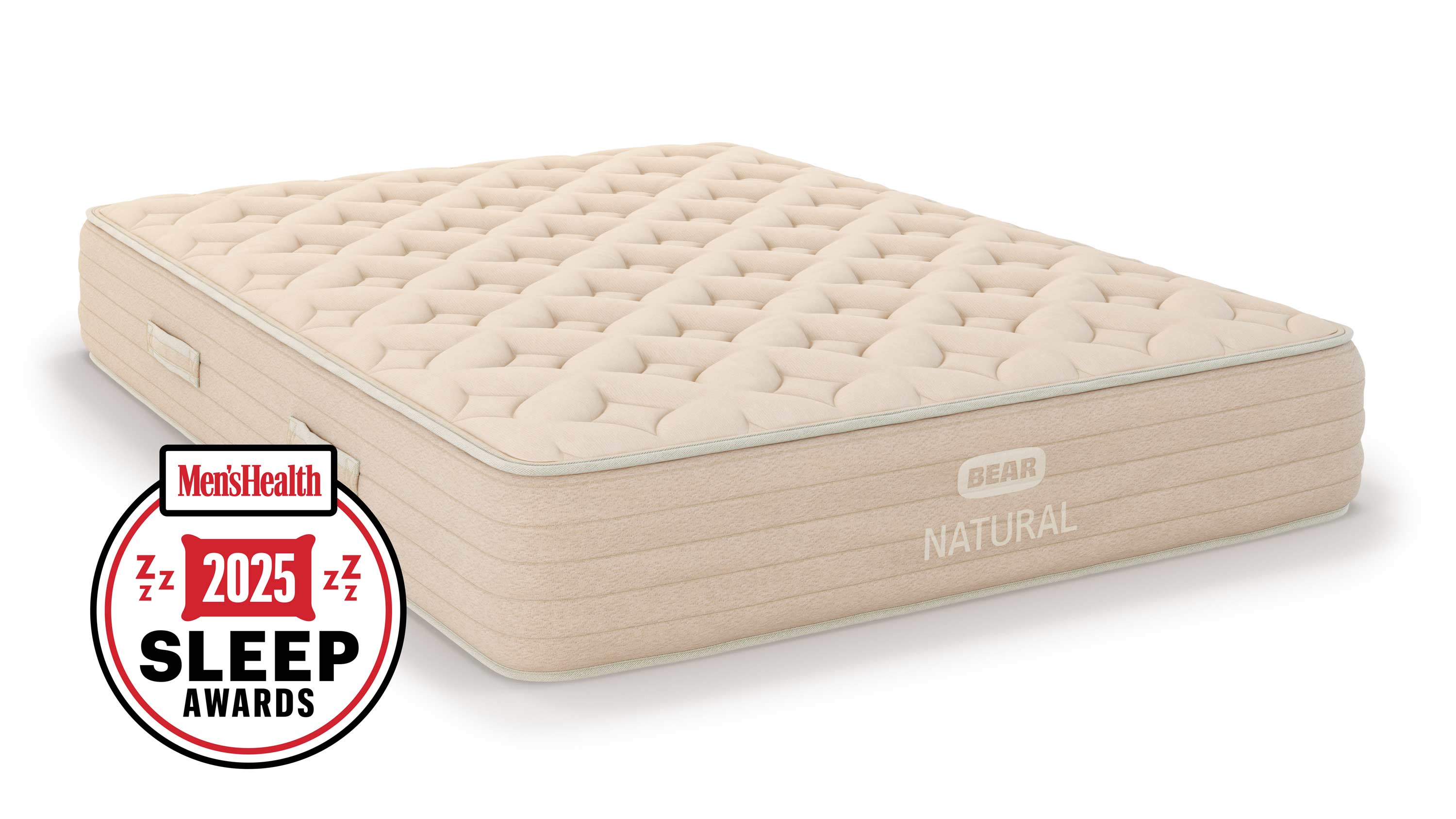
At Bear, we design mattresses to help people with active lifestyles, including athletes, sleep well. Our mattresses encourage rest and muscle recovery overnight.
For example, our Elite Hybrid mattress combines coils and foam to provide firm, comfortable support. The coils are arranged into five zones to provide different levels of pressure to the knees, hips, shoulders and other areas.
The Elite Hybrid mattress has a cooling cover, plus copper-infused memory foam, which has cooling properties. Its Celliant Infused Cover (an optional feature) helps regulate body temperature, making it easier to sleep through the night. It also converts body heat into infrared energy for improved local circulation and cellular oxygenation for faster recovery.
Additional Strategies and Techniques: Active Recovery
As you recover from intense workouts, opt for low-intensity exercise: You’ll stay active without putting additional stress on your muscles. Being in motion enhances your circulation, which encourages muscle recovery, including waste removal.
Walking, yoga and doing household chores are excellent forms of low-intensity exercise that can keep you active during muscle recovery.

Additional Strategies and Techniques: Passive Recovery
When you map out your workout schedule, plan for rest days. You’ll give your muscles enough time to recover, and you’ll reduce your risk of injury, including overuse injuries.
Try passive recovery strategies like:
-
Massage: Getting a massage can feel great. It’s also a soothing way to promote muscle recovery, reduce muscle stiffness, improve your flexibility and aid the release of muscle waste products.
-
Contrast Therapy: Research has shown that contrast therapy, which involves alternating between cold-water immersion and warm-water immersion after workouts, decreases muscle soreness more effectively than either treatment by itself. It’s also a more effective recovery technique than muscle compression or stretching.
Putting Your Knowledge to Use
When you exercise consistently, you’ll feel stronger and increase your endurance. To maximize your efforts, plan for muscle recovery in your workout regimen. To decrease post-workout soreness, heal your exercise-induced microtears and build muscle:
-
Drink water before, during and after workouts to maximize your physical performance and retain enough water to flush away your muscles’ waste products.
-
Eat protein-rich foods, including options that contain essential amino acids, to boost muscle recovery and build new muscle.
-
Consume healthy foods that are high in carbohydrates, so your body can produce glycogen and store it in the muscles for extra energy during workouts.
-
To encourage muscle repair and growth, eat foods with anti-inflammatory properties, including omega-3 fatty acids and antioxidant-rich produce.
-
Choose low-intensity activities on rest days to stay active while your muscles recover.
-
Try contrast therapy or massage therapy to support muscle recovery.
-
Get 7 to 9 hours of sleep each night to give your muscles ample time to recover and to ensure that your body produces enough growth hormone, which is involved in the muscle recovery process.
-
Invest in quality sleep. To make the most of your rest, seek a mattress designed to help athletes recover from the stresses of their workouts, such as the Elite Hybrid from Bear.
Disclaimer: Bear does not provide medical advice. All resources on the Bear blog, including this article, are informational only and do not replace professional medical counsel. Talk to your doctor about any health, mental health, or sleep-related issues.