
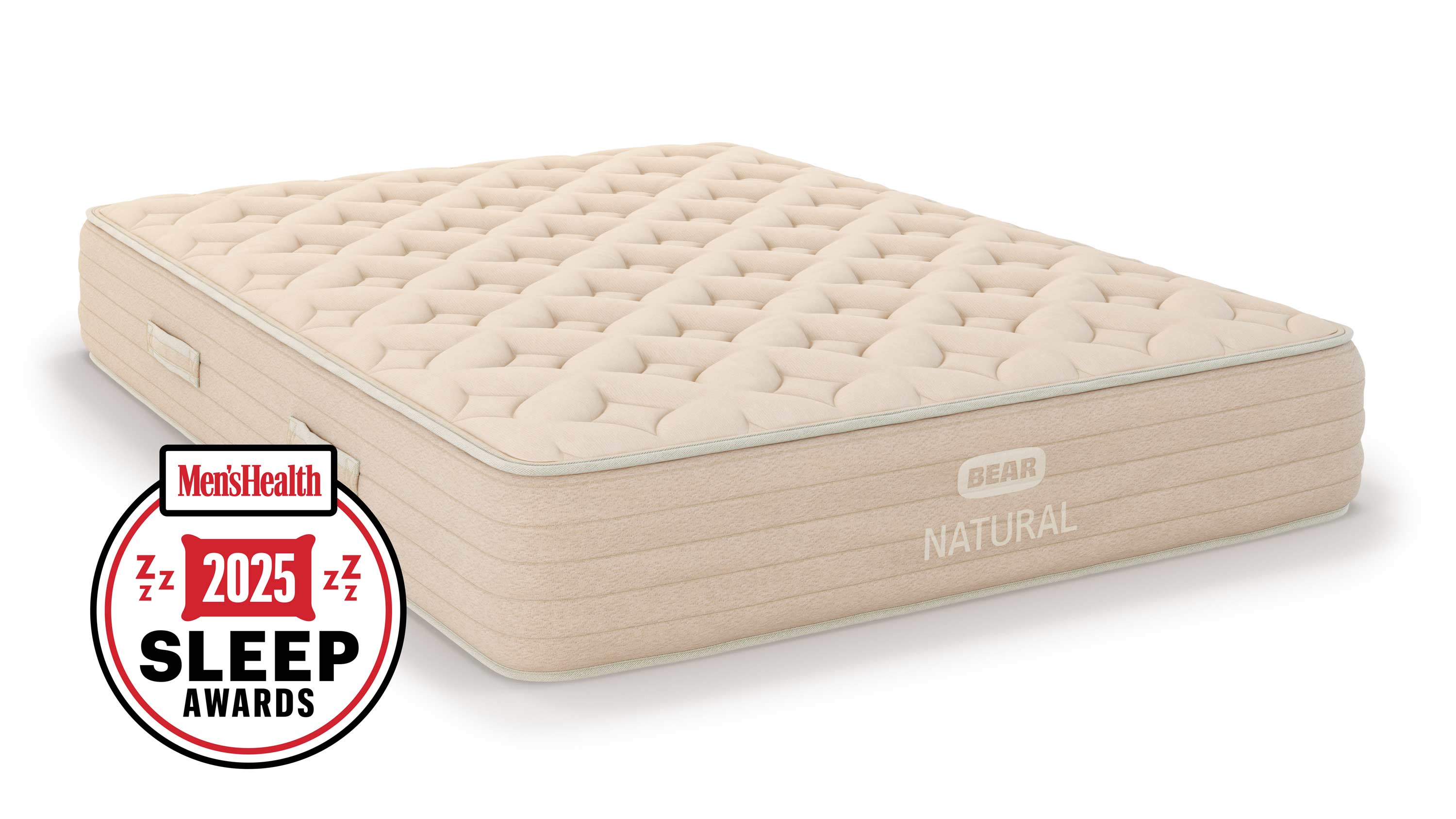


Yes, most new mattresses have a break-in period. Whether you purchased a bed-in-a-box online, picked up a mattress from a store, or had one delivered to your home, it’s normal for the mattress—and your body—to go through an adjustment period during the first few weeks.
A new mattress may initially feel firmer or simply different from what you expected. Over time, its comfort materials can relax slightly, while your body adjusts to a different combination of cushioning, pressure relief, and support.
So, how do you know whether you’re experiencing a normal mattress break-in period or something else?
In this guide, we’ll explain:
- What happens during a normal mattress break-in period
- How to recognize when a mattress simply isn’t the right fit
- How your bed foundation can affect mattress comfort
- How to distinguish normal changes from potential manufacturing defects
What Is a Mattress Break-In Period?
A mattress break-in period is the initial adjustment period after you start sleeping on a new mattress. During this time, both the mattress materials and your body may adapt.
This is particularly noticeable when switching to a mattress with a substantially different construction, firmness, or support system than your previous bed.
For example, moving from an older, softened mattress to a new medium-firm hybrid can make the new bed feel unusually firm at first—even if its firmness level is ultimately appropriate for you.
Why Do New Mattresses Need to Be Broken In?
The break-in period generally involves two things happening at the same time.
A typical break-in period is a combination of two factors:
-
The Mattress’s Materials Relaxing– Most mattresses (particularly foam and foam hybrid mattresses) feel firmer at first. Gradually, the foam layers will soften slightly with use as air escapes and the materials relax. In time, you’ll also feel the foam start to contour to your curves more easily.
-
Your Body Adjusting to Change– If you slept on your old mattress for many years, you can expect any new bed to feel a little unusual, especially the first few nights. What’s happening? You may experience pressure relief in new areas and more (or less) structural support from your new bed, which affects your alignment in your preferred sleep position. Even your ideal mattress can feel foreign at first, so give your body time to get used to your new mattress before making any judgment calls on its comfort or firmness.
How Long Does It Take to Break In a New Mattress?
A reasonable rule of thumb is to give a new mattress about 3-5 weeks before making a final judgment about its comfort. That’s why many mattress brands, including Bear, require you to get acquainted with your new mattress for at least 30 nights before requesting an exchange or return within the sleep trial window.
What Can You Do to Break In a New Mattress?
For the most part, breaking in a mattress doesn't require anything special—simply sleep on it consistently.
A few basic steps can help you evaluate your new mattress fairly:
- Sleep on it every night. Regular use gives both the materials and your body time to adjust.
- Give it about a month. Avoid making a decision based solely on the first few nights unless there's an obvious structural problem.
- Use your normal sleep setup. Your usual pillow, bedding, and sleeping position will give you a better idea of how the mattress performs for you.
- Check your foundation. An incompatible or improperly assembled base can change how your mattress feels.
- Pay attention to patterns. Instead of focusing on one uncomfortable night, consider whether your overall comfort is improving, staying the same, or getting worse.
If the mattress becomes progressively more comfortable, that's a good indication that you may simply be going through the normal adjustment process.
What If the Mattress Still Isn't Comfortable After 30 Nights?
Sometimes a mattress is well-made and functioning exactly as intended—but simply isn't the right match for a particular sleeper. That's different from a "bad" or defective mattress.
Signs Your Mattress May Not Be the Right Fit
-
Persistent pressure points (especially around your shoulders or hips) after 30 nights
-
Consistent back pain that doesn’t improve over time
-
Feeling “stuck” in the mattress or not supported enough
-
Your partner loves your new mattress, but you don’t
This often comes down to your weight, sleep position, and subjective firmness preferences. In many cases, there's nothing wrong with the mattress; it’s just not the right match. That’s where sleep trials, exchanges, or comfort adjustments with a mattress topper can help.
Why Mattress Sleep Trials Matter
Trying a mattress for a few minutes in a showroom can't replicate sleeping on it night after night. An at-home sleep trial gives you much more time to evaluate your mattress in your normal sleeping environment.
Bear offers a 120-night sleep trial for online mattress purchases. The trial begins on the mattress's delivery date, and we require customers to sleep on the mattress for at least 30 nights before initiating a return. If the mattress isn't right for you, eligible returns can be requested within the 120-night trial period for hassle-free pickup and a refund.
Could Your Foundation Be the Problem?
Your mattress is only as good as what’s underneath it. A poor or incompatible foundation can dramatically impact your experience of your new mattress. So before deciding that your mattress isn't working, consider your bed frame or foundation.
A damaged, uneven, or incompatible foundation can affect both mattress comfort and performance. Potential foundation problems include:
-
Sagging, indentations, or uneven support due to a base that’s not properly assembled or leveled
-
Slatted bases with gaps that are too wide
-
Old or faulty box springs paired with a modern all-foam or hybrid mattress
If your mattress feels uncomfortable only in certain spots, or if it feels different on the floor than on your bed frame, the issue may not be the mattress at all. Be sure to check your mattress manufacturer’s recommendations (and warranty requirements) for a proper foundation.
What Foundation Should You Use With a Bear Mattress?
Bear mattresses are designed to be used on a firm, flat, and supportive surface. We highly recommend a compatible platform bed, a solid bed frame and foundation pairing, or an adjustable bed base. We do not recommend using a traditional coil box spring, as they don't provide an evenly distributed surface area for modern foam-based mattresses.
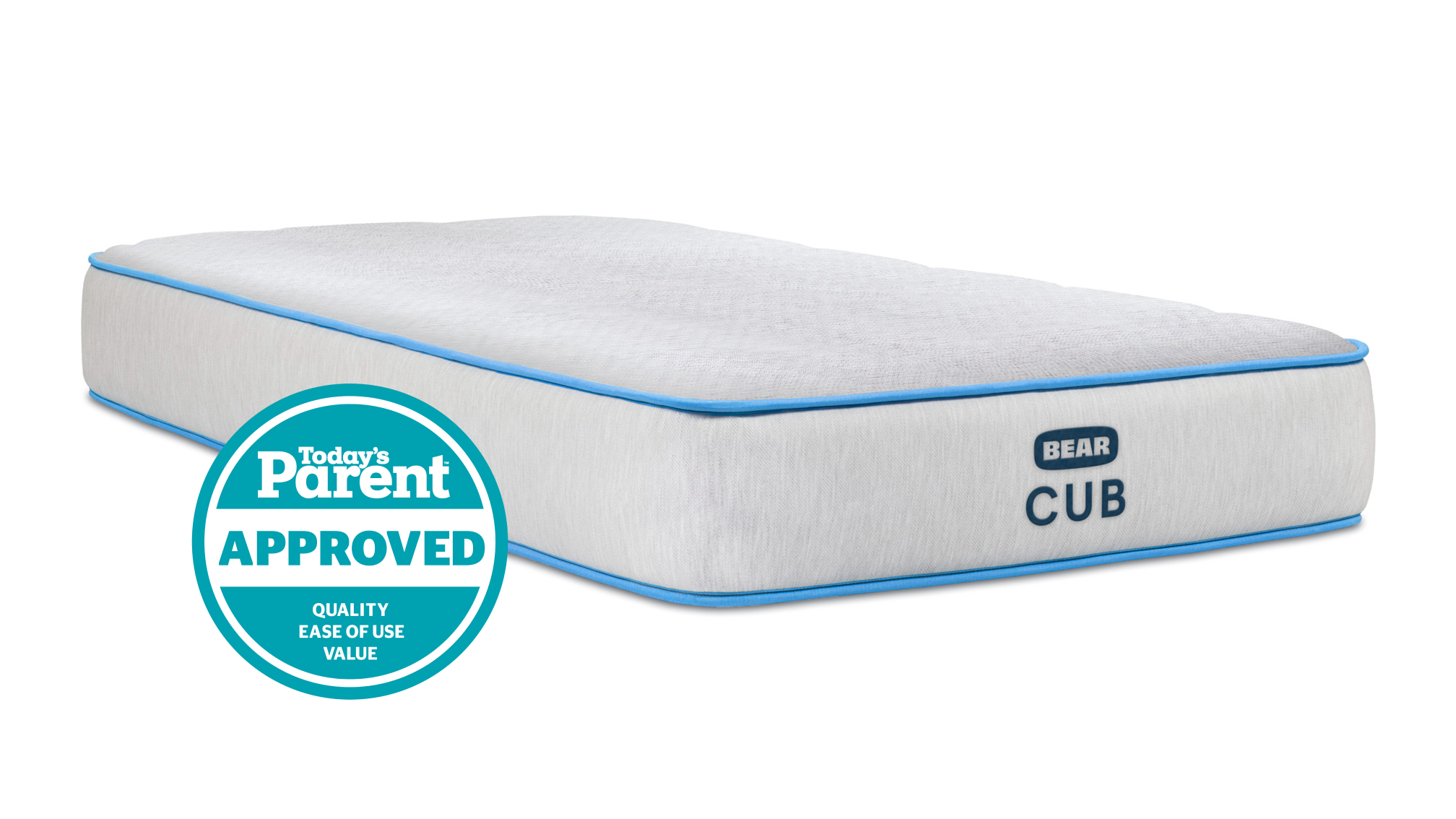
Remember: Foundation choice also matters for warranty coverage. Under our current Limited Lifetime Warranty, slats spaced more than 5.5 inches apart are considered an improper foundation for most Bear mattress models. (For the Bear Cub Kids Mattress, the maximum spacing is 9 inches.) Damage or sagging resulting from an improper or unsupportive foundation isn't covered by the warranty.
What's Normal Break-In vs. a Potential Mattress Defect?
While rare, manufacturing defects do happen. Typically, they show up early. Potential red flags include:
-
Deep, permanent indentations that form within the first few weeks
-
Noticeable lumps, uneven areas, or shifting materials
-
Foams that don’t rebound properly
- Any materials that appear structurally damaged
Unlike normal break-in changes, these issues do not improve with time. If you notice obvious structural problems, document them and reach out to the manufacturer right away. Most reputable mattress brands will evaluate the issue and guide you through a warranty claim or replacement if necessary.
Mattress Sleep Trial vs. Warranty: What's the Difference?
It's easy to confuse a mattress sleep trial with a mattress warranty, but they serve different purposes.
A sleep trial is primarily about fit and comfort. It gives you time to determine whether the mattress works for your body and sleep preferences.
A warranty is about qualifying defects. It protects the original purchaser against specific problems with materials or workmanship according to the warranty terms.
So, if you've given your new mattress sufficient time and simply find it too firm, too soft, or otherwise uncomfortable, the sleep trial is the relevant policy.
If the mattress develops a qualifying structural or manufacturing problem, the warranty may apply.
How Does Bear's Mattress Warranty Work?
Our Limited Lifetime Warranty page details what's covered by our manufacturer's warranty. It defines foundation requirements, normal use, and what physical flaws and manufacturing defects our policy covers. If you have any questions about Bear's warranty, don't hesitate to contact our customer service team.
Getting Comfortable With Your New Mattress
In Summary: A mattress break-in period is completely normal. That said, discomfort shouldn’t be dismissed without context! Give your new mattress time to adjust, pay attention to how your body feels after a few weeks, and don’t overlook factors like your foundation and firmness compatibility. Understanding the difference between normal break-in changes, personal comfort mismatches, setup issues, and true defects can help you make confident decisions and get the quality sleep you deserve.
Disclaimer: Bear does not provide medical advice. All resources on the Bear blog, including this article, are informational only and do not replace professional medical counsel. Talk to your doctor about any health, mental health, or sleep-related issues.