




As the days get shorter and temperatures start to drop, you might notice some changes in your sleep habits. Maybe you're feeling tired earlier in the evening, struggling to get out of bed on dark mornings, or waking up uncomfortable under heavy winter blankets.
Fall and winter bring seasonal changes that can affect how well you sleep. Reduced daylight exposure can influence your body's internal clock, while colder outdoor temperatures and indoor heating can change your sleep environment. Add in busy holiday schedules and shifting daily routines, and maintaining consistent, quality sleep can become a challenge.
The good news? A few simple adjustments can help you stay comfortable and well-rested throughout the colder months. From managing your bedroom temperature to making the most of limited daylight, here are eight practical sleep tips for fall and winter.
Why Do Sleep Patterns Change in Fall & Winter?
Seasonal changes can affect your sleep in several ways, particularly through differences in daylight exposure and temperature. Understanding these factors can help you make adjustments that support healthier sleep habits.
Shorter Days & Your Circadian Rhythm
Your body follows a natural 24-hour cycle called the circadian rhythm, which helps regulate when you feel awake and when you feel sleepy. Light is one of the most important signals controlling this internal clock.
As daylight hours decrease in fall and winter, your body receives fewer natural light cues. This can influence the timing of melatonin production, the hormone that helps regulate sleepiness, and may leave you feeling sluggish during the day or sleepy earlier in the evening.
Less morning sunlight can also make it harder to feel alert after waking up, especially if you're getting ready for work or school before sunrise.
Colder Temperatures & Sleep Quality
Temperature also plays an important role in sleep. Your core body temperature naturally decreases as you prepare for bed, and a comfortably cool sleeping environment can support this process.
Although fall and winter bring cooler weather, that doesn't necessarily mean better sleep. Indoor heating, heavy comforters, and thick bedding can create an overly warm sleep environment, leading to discomfort or nighttime awakenings.
Finding the right balance between warmth and breathability is essential for staying comfortable throughout the night.
8 Practical Sleep Tips for Fall & Winter
You don't need to completely overhaul your routine when the seasons change. These eight simple strategies can help you improve your sleep environment, maintain healthy habits, and get more restorative rest during fall and winter.
1. Get Natural Sunlight Early in the Day
With fewer daylight hours available, it's especially important to make the most of natural sunlight.
Morning light exposure helps synchronize your circadian rhythm, signaling to your body that it's time to be awake and alert. This supports a more consistent sleep-wake cycle and can make it easier to feel sleepy at your usual bedtime.
Try taking a short morning walk, enjoying your coffee outside, or spending time outdoors during daylight hours. Even on cloudy days, natural outdoor light is generally brighter than typical indoor lighting.
If your schedule makes morning sunlight difficult, look for opportunities to get outside during lunch or other daytime breaks.
2. Keep Your Bedroom Cool, Not Cold
It might be tempting to crank your thermostat all the way up on a freezing winter night, but an overly warm bedroom can interfere with comfortable sleep.
A bedroom temperature of approximately 60–67°F is commonly recommended for adults, although your ideal temperature may vary based on personal preference, bedding, and other factors.
Instead of relying on high indoor heat, try keeping your bedroom comfortably cool and using breathable bedding to stay warm. If you tend to overheat at night, consider lowering the thermostat slightly or choosing lighter blankets.
The goal isn't to feel cold. It's to create an environment that allows your body to maintain a comfortable temperature throughout the night.
3. Choose Bedding That Balances Warmth & Breathability
Cozy bedding is one of the best parts of winter, but piling on heavy blankets can sometimes lead to overheating.
Rather than using one thick, heat-trapping comforter, consider layering breathable sheets, blankets, and a lighter duvet. This makes it easier to adjust your warmth as temperatures fluctuate throughout the night.
Materials like cotton and linen offer breathability, while wool can provide insulation and help manage moisture. The best combination depends on whether you naturally sleep hot or cold.
Your mattress matters, too. A mattress with breathable materials and temperature-regulating features can help reduce heat buildup beneath your bedding, creating a more comfortable sleep environment in every season.
4. Stick to a Consistent Sleep Schedule
Shorter days, holiday gatherings, and changes to your daily routine can make it tempting to sleep in or stay up later than usual.
However, maintaining a consistent sleep schedule is one of the most effective ways to support your circadian rhythm. Try going to bed and waking up around the same time each day, including weekends.
The transition out of daylight saving time can also temporarily disrupt your routine. Although gaining an extra hour sounds appealing, the shift in daylight timing may affect when you feel sleepy or alert.
To ease the adjustment, maintain your usual sleep schedule as closely as possible and prioritize morning light exposure.
Most adults need at least seven hours of sleep per night, so plan your bedtime around getting enough rest before your regular wake-up time.
5. Stay Active, Even When It's Cold Outside
When temperatures drop, spending the evening on the couch can sound much more appealing than heading outside for a workout. But regular physical activity is an important part of maintaining healthy sleep habits.
Exercise can help improve sleep quality, support daytime energy levels, and reduce stress. You don't need an intense workout routine to experience benefits, either.
Try incorporating activities like walking, yoga, stretching, or indoor strength training into your day. If possible, exercise outdoors during daylight hours to combine physical activity with natural light exposure.
Some people find that vigorous exercise immediately before bed makes it harder to fall asleep, so pay attention to how workout timing affects your rest.
6. Create a Relaxing Evening Routine
Fall and winter evenings offer a great opportunity to establish a calming bedtime routine.
As your usual bedtime approaches, start transitioning away from stimulating activities and give yourself time to unwind. Reading, taking a warm bath, practicing gentle stretches, or listening to relaxing music can help you prepare for sleep.
It's also helpful to dim bright household lighting and limit screen exposure before bed. Artificial light, particularly bright light in the evening, can interfere with the signals that help your body recognize when it's time to sleep.
Try following the same routine each night. Over time, these familiar habits can help reinforce a consistent sleep schedule.
7. Manage Dry Indoor Air & Seasonal Congestion
Indoor heating keeps your home comfortable during colder months, but it can also reduce indoor humidity.
Dry air may contribute to irritated nasal passages, dry throats, and congestion, all of which can make sleeping comfortably more difficult.
To help maintain a comfortable sleep environment, consider using a humidifier when indoor air becomes excessively dry. A relative humidity level of approximately 30–50% is generally recommended for indoor spaces.
Be sure to clean your humidifier regularly and avoid excessive humidity, which can encourage mold and dust mite growth.
Washing bedding frequently, keeping your bedroom clean, and addressing seasonal allergies can also help minimize nighttime discomfort.
8. Make Sure Your Mattress Supports Comfortable Sleep
Even with the right bedtime routine and bedroom temperature, an uncomfortable mattress can make it difficult to get quality rest.
A mattress should provide enough support to help maintain comfortable spinal alignment while cushioning pressure-sensitive areas like your shoulders, hips, and lower back. Temperature regulation also matters, especially when you're sleeping under extra layers of winter bedding.
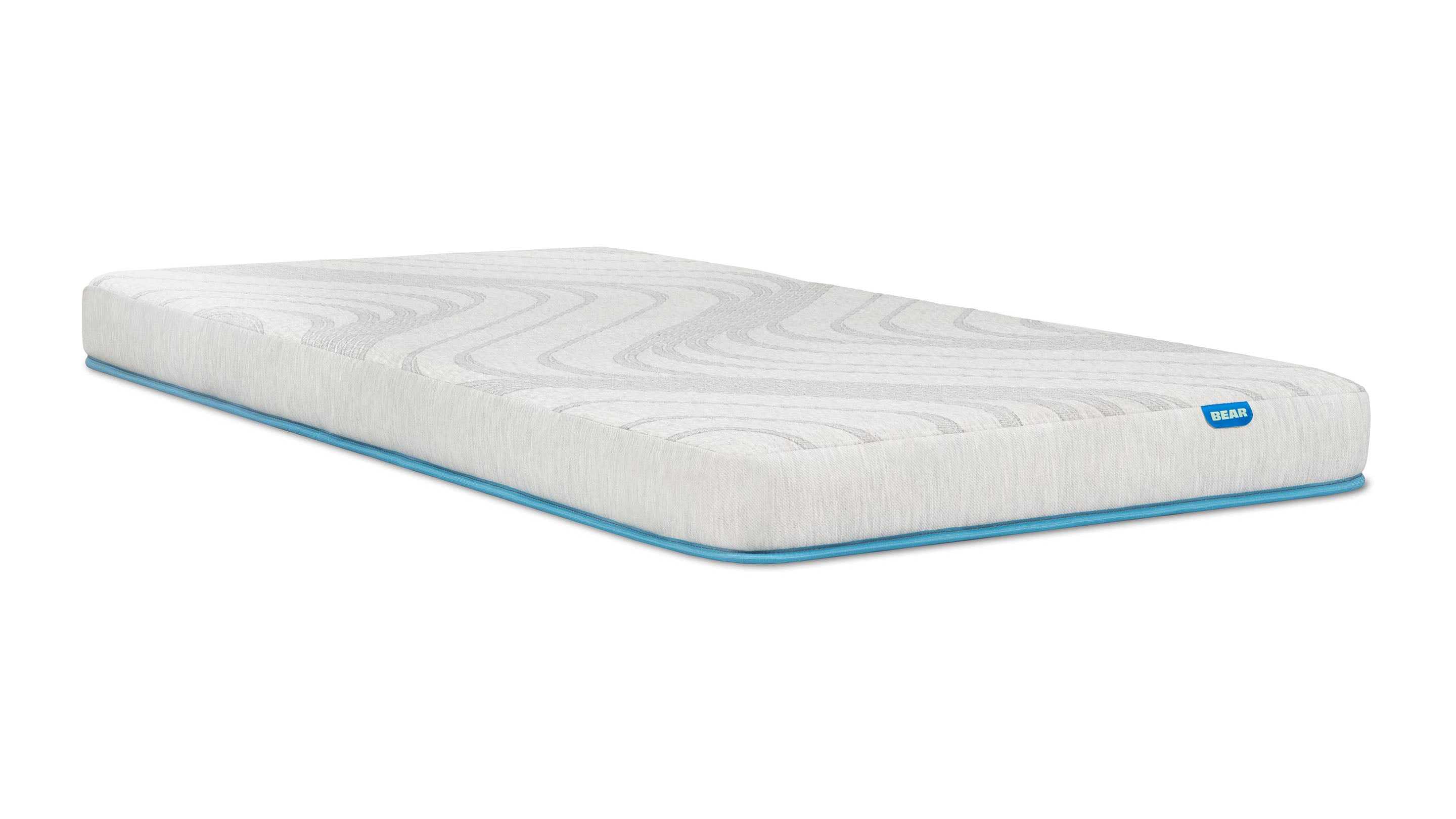
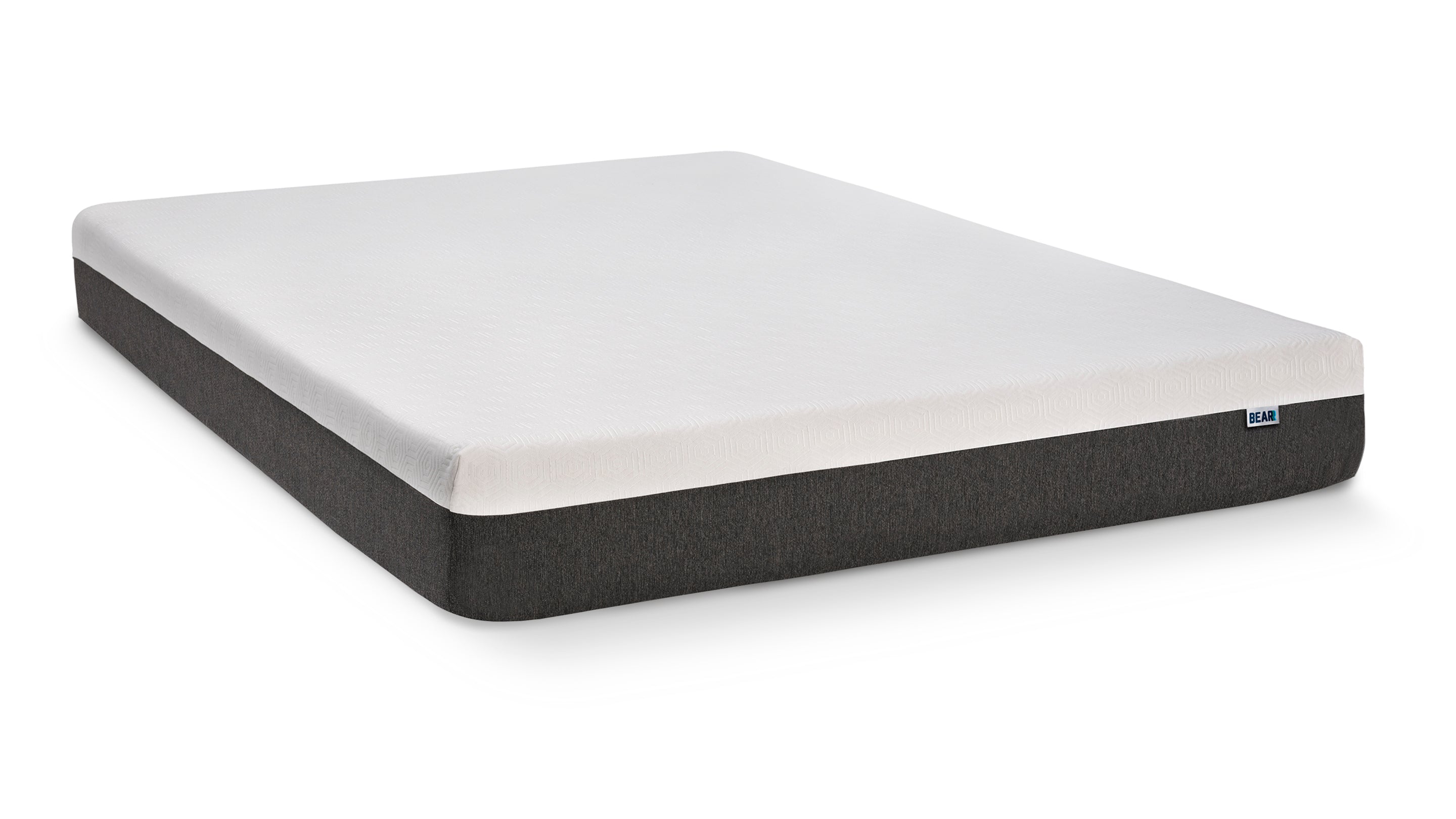
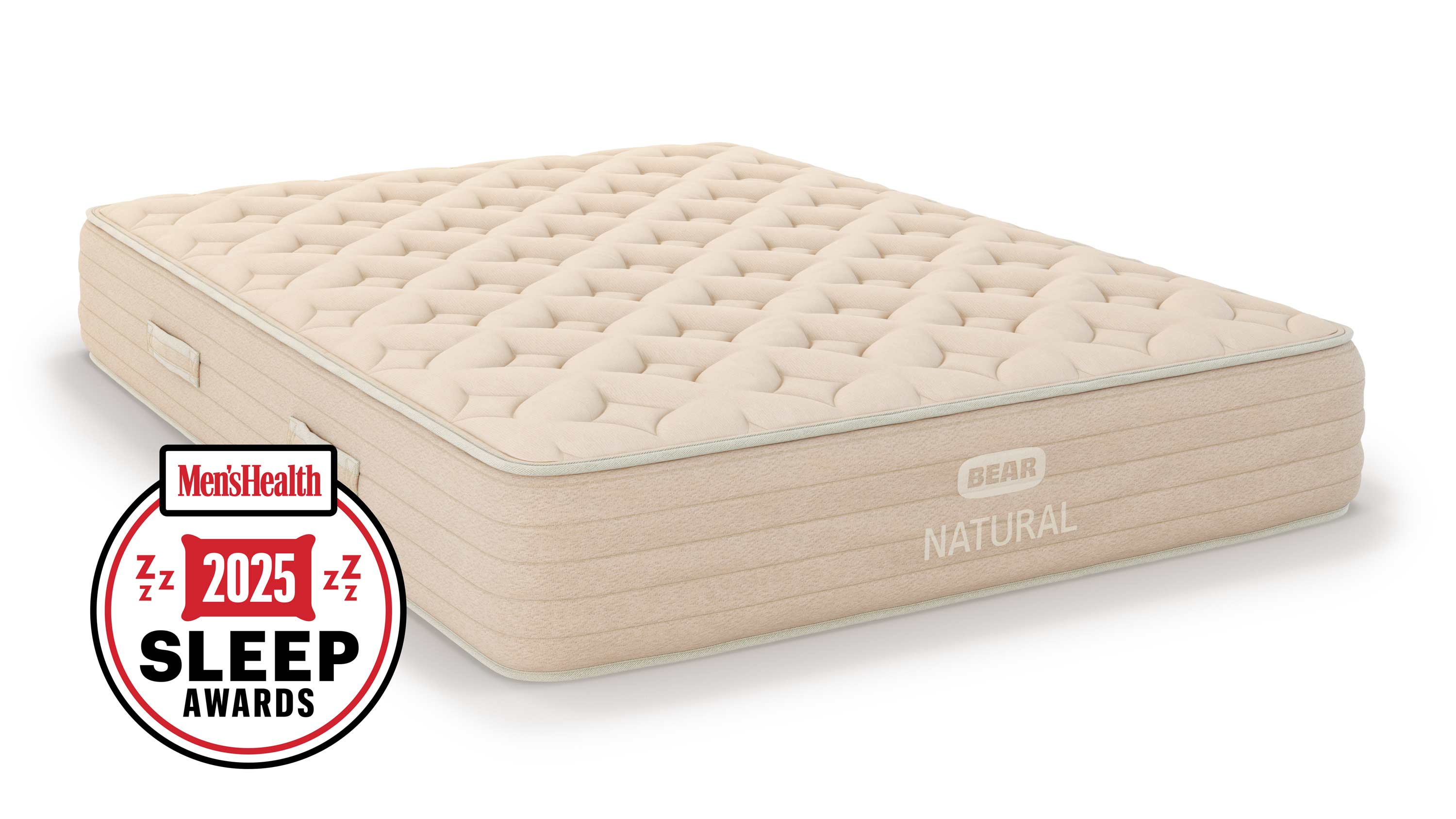
At Bear, we design our mattresses with comfort, support, and temperature regulation in mind. Our hybrid mattresses combine responsive coil systems with cushioning comfort layers, helping deliver balanced support while allowing air to circulate through the mattress.
Of course, the best mattress for you depends on your sleep position, body type, firmness preferences, and individual comfort needs. Explore our mattress collection to compare options designed for comfortable sleep throughout the year.
Quality Sleep Through Every Season
Fall and winter may change your daily routine, but they don't have to compromise your sleep quality. Small adjustments, like getting more natural daylight, maintaining a consistent bedtime, keeping your bedroom comfortably cool, and choosing breathable bedding, can make a meaningful difference in how well you rest.
Remember that everyone's sleep needs are different. Pay attention to how seasonal changes affect your comfort and energy levels, and experiment with these tips to find a routine that works for you.
And don't forget about the foundation of a good night's sleep: your mattress. Whether you're looking for enhanced cooling, pressure relief, or balanced support, Bear's mattress collection offers options to help you get comfortable and wake up ready for whatever the season brings.
Disclaimer: Bear does not provide medical advice. All resources on the Bear blog, including this article, are informational only and do not replace professional medical counsel. Talk to your doctor about any health, mental health, or sleep-related issues.