


Bear Mattress Awards & Recognition
Explore Bear's "best mattress for hip pain" and related accolades from trusted publications and expert mattress reviewers.
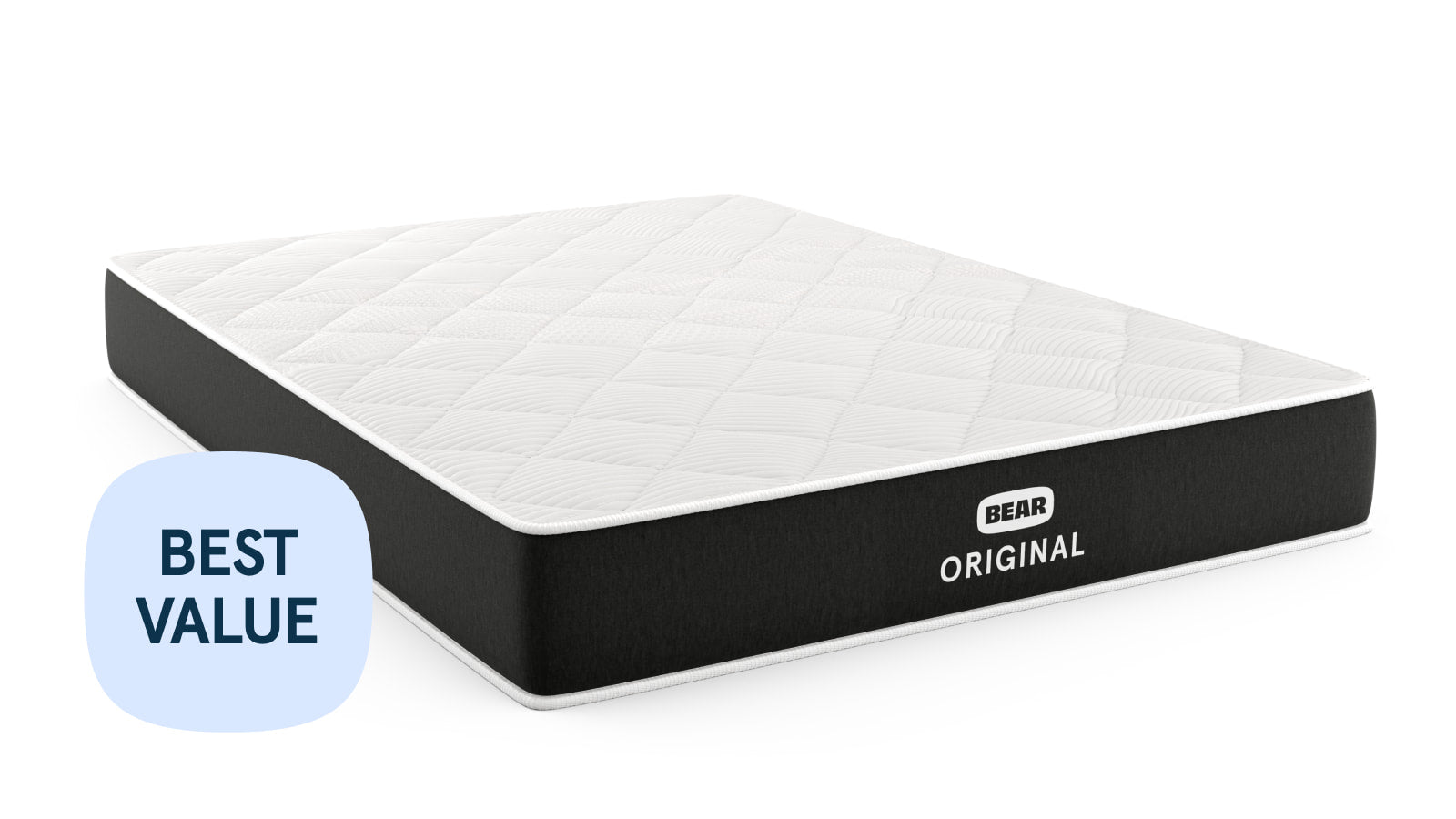
Bear Original
- Best Mattresses for Hip Pain of 2026: Best Affordable Mattress for Hip Pain — Mattress Nerd
- Best Mattress for Pressure Relief 2026: Best Pressure-Relieving Mattress for Couples — NCOA
- Best Mattresses for Arthritis: Best Mattress for Arthritis and Back Pain — Sleep Advisor
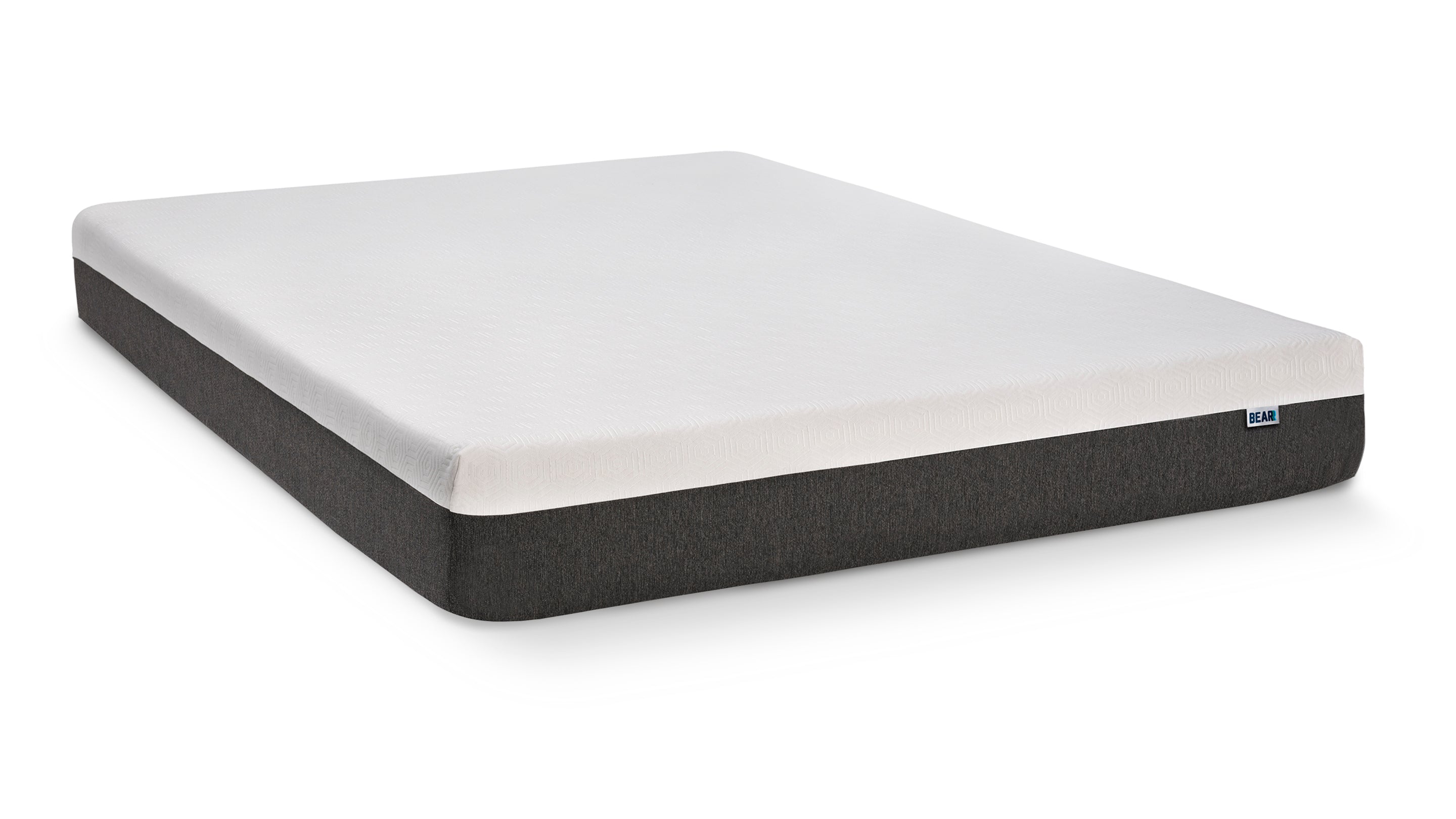
Bear Elite Hybrid
- The Best Mattresses For Side Sleepers, Tested For Softness And Support: Best Mattress For Side Sleepers With Shoulder And Hip Pain — Forbes
- Best Mattresses for Hip Pain (2026): Best Mattress for Side Sleepers with Hip Pain — Sleepopolis
- Best Mattress for Hip Pain in 2026: Best Hybrid Mattress — Sleep Doctor
- Best Mattresses for Hip Pain 2026: Best Cooling Mattress for Hip Pain — NCOA
- Best Mattress for Arthritis in 2026: Best Cooling Mattress for Arthritis — NCOA
- I've Tested 250+ Mattresses These Are the 6 Best for Side Sleepers: Most Comfortable — Good Housekeeping
Bear Elite Ultra Hybrid
- Best Mattress for Hip Pain of 2026: Best Mattress for Pressure Relief — Sleep Foundation
- Best Mattress for Arthritis and Joint Pain in 2026: Best Mattress for Spinal Alignment — Sleep Foundation
Best Mattress for Hip Pain Guide
Waking up with sore, achy hips can make it difficult to start your day feeling refreshed. While hip discomfort can have several causes, your mattress may be contributing to the problem. If your bed doesn't provide the right balance of cushioning and support, it can create uncomfortable pressure points or allow your body to sink out of alignment.
So, what's the best mattress for hip pain? Generally, a mattress that combines pressure-relieving comfort layers with supportive construction is a good place to start. However, the ideal firmness and mattress type depend on your sleep position, body type, and personal comfort preferences.
In this guide, we'll explain how your mattress affects hip comfort, which features to look for, and how to find the right fit for a more comfortable night's sleep.
How Does Your Mattress Affect Hip Pain?
Your hips support a significant portion of your body weight while you sleep, making them particularly sensitive to pressure from your mattress. This is especially true for side sleepers, whose weight is concentrated around the shoulders and hips.
When a mattress is too firm, it may not provide enough cushioning for these pressure-sensitive areas. Instead of allowing your hips to settle comfortably into the surface, the mattress pushes back against them, potentially contributing to soreness or discomfort.
On the other hand, an overly soft mattress can allow your hips to sink too deeply, throwing your spine out of its natural alignment. Over time, sleeping in an unsupported position may contribute to discomfort around the hips and lower back.
The best mattress for hip pain balances pressure relief with spinal support. It should cushion your hips without allowing excessive sinkage, helping your body maintain a comfortable, neutral position throughout the night.
Of course, hip pain can also result from injuries, arthritis, bursitis, and other medical conditions. While the right mattress may help reduce sleep-related pressure and discomfort, it isn't a substitute for medical treatment.
What Mattress Features Help Relieve Hip Pressure?
When shopping for a mattress for hip pain and pressure relief, focus on how its comfort layers, firmness, and support system work together.
Pressure-Relieving Comfort Layers
Pressure relief refers to a mattress's ability to distribute body weight across its surface rather than concentrating it in specific areas.
Materials like memory foam, responsive polyfoam, and latex can help cushion your hips and shoulders by adapting to your body's natural curves. This is particularly important for side sleepers, who need enough cushioning to accommodate the wider areas of their bodies.
However, more cushioning isn't always better. The goal is to find a mattress that relieves pressure without sacrificing the support needed for comfortable alignment.
Balanced Firmness and Support
Mattress firmness describes how soft or firm a bed feels when you lie down. While firmness and support are related, they aren't the same thing.
A softer mattress may offer more immediate cushioning, but it still needs a supportive core to prevent excessive sinkage. Likewise, a firmer mattress can provide excellent support but may feel uncomfortable if it doesn't allow enough give around the hips.
What's the Best Mattress Firmness for Hip Pain?
There's no universal firmness level that works for everyone with hip pain. Your ideal mattress feel depends on your primary sleep position, body weight, and individual comfort needs.
Here's a general guide to choosing mattress firmness:
|
Sleep Position |
Suggested Firmness |
Why It May Help |
|---|---|---|
|
Side sleepers |
Soft to medium-firm |
Cushions pressure-sensitive hips and shoulders |
|
Back sleepers |
Medium to medium-firm |
Balances hip cushioning with spinal support |
|
Stomach sleepers |
Medium-firm to firm |
Helps prevent excessive hip and midsection sinkage |
|
Combination sleepers |
Medium to medium-firm |
Balances pressure relief, support, and ease of movement |
Remember: These recommendations are starting points, not strict rules. For example, a heavier side sleeper may need a firmer mattress than a lighter side sleeper to achieve similar comfort and alignment.
The most important factor is how your mattress supports your body. Your hips should feel comfortably cushioned without sinking so deeply that your spine curves out of alignment.
Zoned Support and Spinal Alignment
Zoned support systems are designed to provide different levels of reinforcement across the mattress, accommodating the body's varying support needs.
For example, some mattresses use firmer support beneath the midsection while allowing more cushioning around the shoulders and hips. This helps distribute weight while encouraging a more neutral sleeping position.
For sleepers experiencing hip discomfort, zoned support can be particularly appealing because it combines targeted cushioning with reinforcement where the body needs it most.
Is Memory Foam or a Hybrid Mattress Better for Hip Pain?
Both memory foam and hybrid mattresses can provide excellent pressure relief. The main difference is how they deliver cushioning and support.
Memory Foam Mattresses
Memory foam responds to body weight and heat, conforming to your curves to distribute pressure across the sleep surface.
This contouring sensation can be especially comfortable for side sleepers who experience pressure around their hips and shoulders. However, some sleepers may find that softer memory foam mattresses allow too much sinkage or make changing positions more difficult.
Hybrid Mattresses
Hybrid mattresses combine foam comfort layers with a supportive coil system, offering a balance of cushioning and responsiveness.
The foam layers help relieve pressure around the hips, while the coils provide underlying support and make it easier to move across the mattress. Many hybrids also incorporate zoned coils for more targeted reinforcement.
If you prefer a deeply contouring feel, memory foam may be a good fit. If you want pressure relief with a more responsive, supportive sensation, a hybrid mattress may be worth considering.
The Best Bear Mattresses for Hip Pain and Pressure Relief
At Bear, we design our mattresses to balance comfort, pressure relief, and support. Whether you prefer the contouring feel of memory foam or the responsiveness of a hybrid, our collection offers several options worth exploring.
Bear Elite Hybrid: Best for Zoned Support and Premium Pressure Relief
The Bear Elite Hybrid combines multiple comfort and support technologies to create a cushioned yet supportive sleep surface.
Its quilt foam, copper-infused memory foam, and responsive transition foams contour around pressure-sensitive areas. Beneath these comfort layers, a five-zone pocketed coil system provides targeted support across the body.
The Elite Hybrid is also available in multiple firmness options, making it easier to choose a feel that accommodates your preferred sleep position and pressure-relief needs.
Bear Original: Best for All-Foam Comfort
If you prefer the feel of an all-foam mattress, the Bear Original offers a different approach to pressure relief.
Its memory foam comfort layers conform to the body's curves, helping distribute weight across the mattress. Supportive foam layers underneath provide a stable foundation.
The Original may appeal to sleepers who enjoy a more traditional memory foam feel without the bounce of a hybrid mattress.
Final Tips for Preventing Hip Pain While Sleeping
Finding the right mattress is an important step toward more comfortable sleep, but a few simple adjustments to your nighttime routine may also help reduce hip pressure. But remember, if your hip pain is persistent, worsening, or interfering with your daily activities, consult a healthcare professional to identify the underlying cause.
-
Use a pillow between your knees. If you sleep on your side, placing a pillow between your knees can help keep your hips and spine in a more neutral position.
-
Experiment with sleeping on your back. Back sleeping distributes body weight differently and may reduce direct pressure on a sore hip. Placing a pillow beneath your knees can also help you maintain a comfortable position.
-
Consider a mattress topper. If your current mattress feels too firm but still provides adequate support, a pressure-relieving topper may add the cushioning your hips need. However, a topper generally won't correct a sagging or unsupportive mattress.
- Check your mattress for signs of wear. Sagging, uneven surfaces, and deteriorating comfort layers can affect how your body is supported. If your mattress no longer provides consistent comfort, it may be time for an upgrade
Disclaimer: Bear does not provide medical advice. All resources on the Bear blog, including this article, are informational only and do not replace professional medical counsel. Talk to your doctor about any health, mental health, or sleep-related issues.