
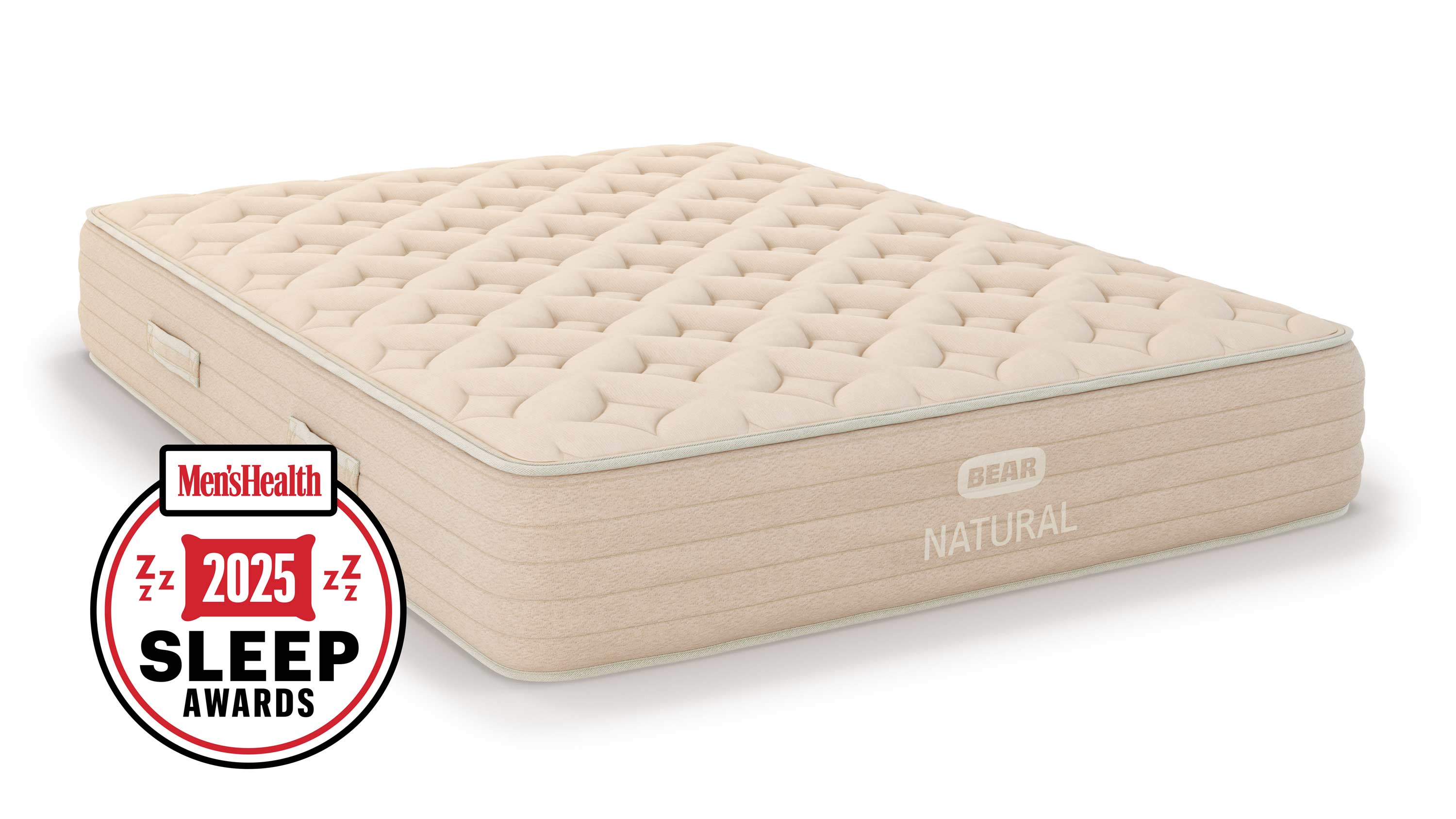


Memory foam mattresses are known for their cushioning, pressure relief, and ability to absorb movement. But today’s foam beds vary considerably in firmness, construction, cooling, and overall feel, which means the best memory foam mattress for one sleeper may not be the best choice for another.
At Bear, we think mattress shopping should start with how you sleep. Your preferred sleep position, body type, temperature preferences, and whether you share your bed can all influence which foam mattress feels most comfortable.
In this guide, we’ll explain how memory foam works, its advantages and potential drawbacks, what to look for when shopping, and which memory foam mattresses stand out for different types of sleepers.
Sneak Peak: Our Best Memory Foam Mattress Picks
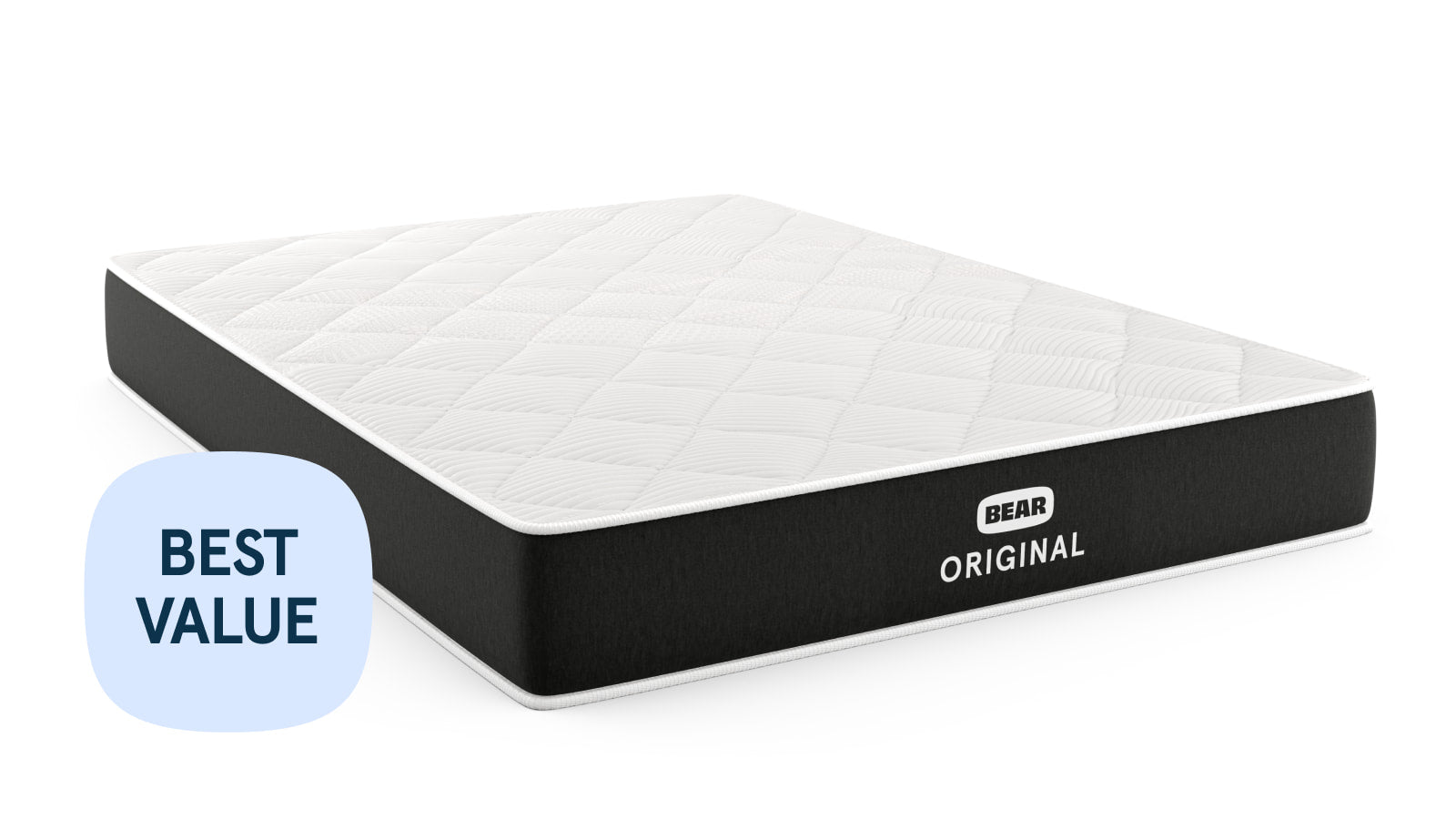
- Best Value Memory Foam Mattress: Bear Original
- Best Memory Foam Mattress for Side Sleepers: Nolah Signature
- Best Memory Foam Mattress for Back Sleepers: Bear Original
- Best Memory Foam Mattress for Stomach Sleepers: Plank Firm
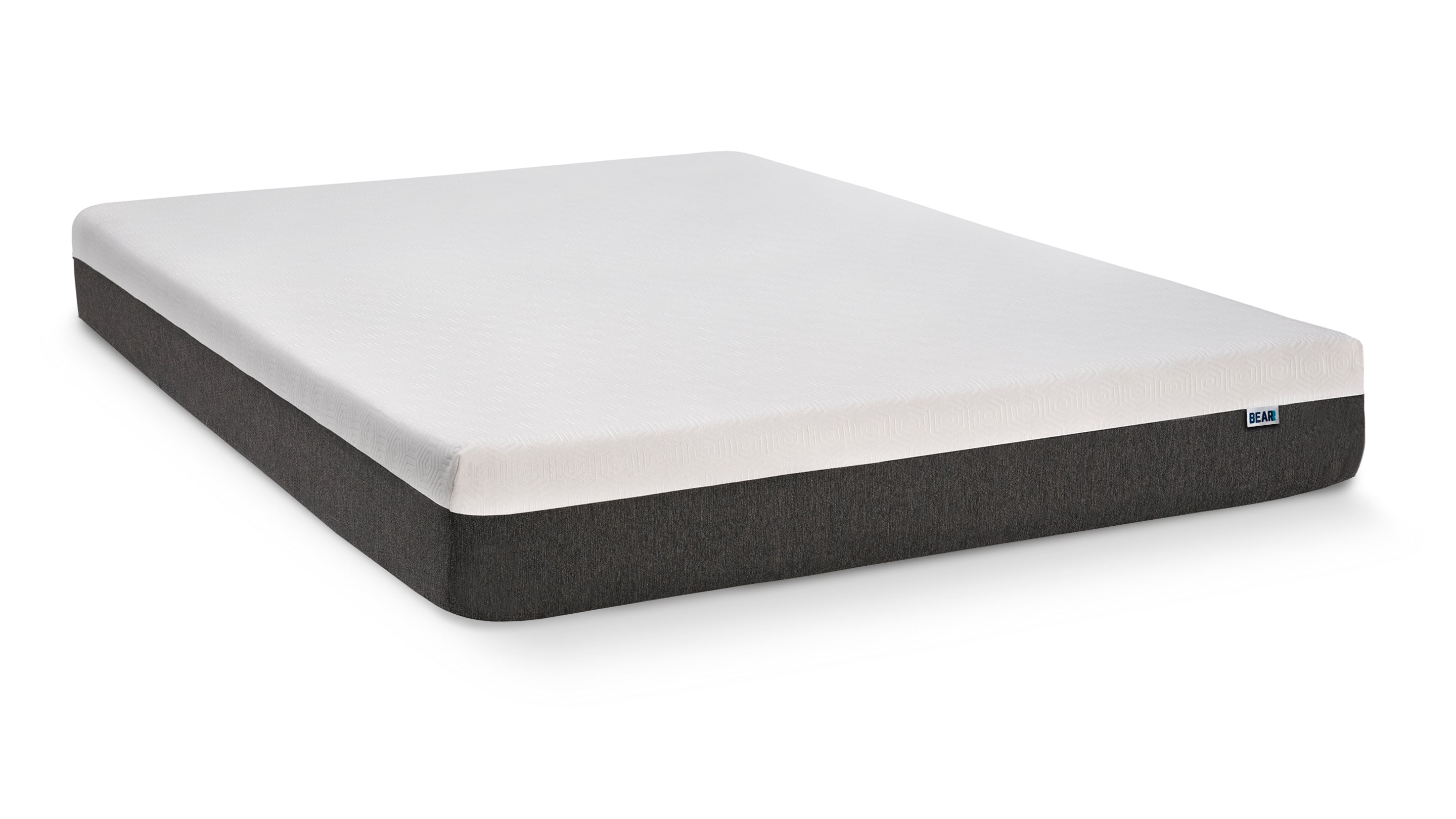
- Best Memory Foam Mattress for Couples: Bear Pro Foam
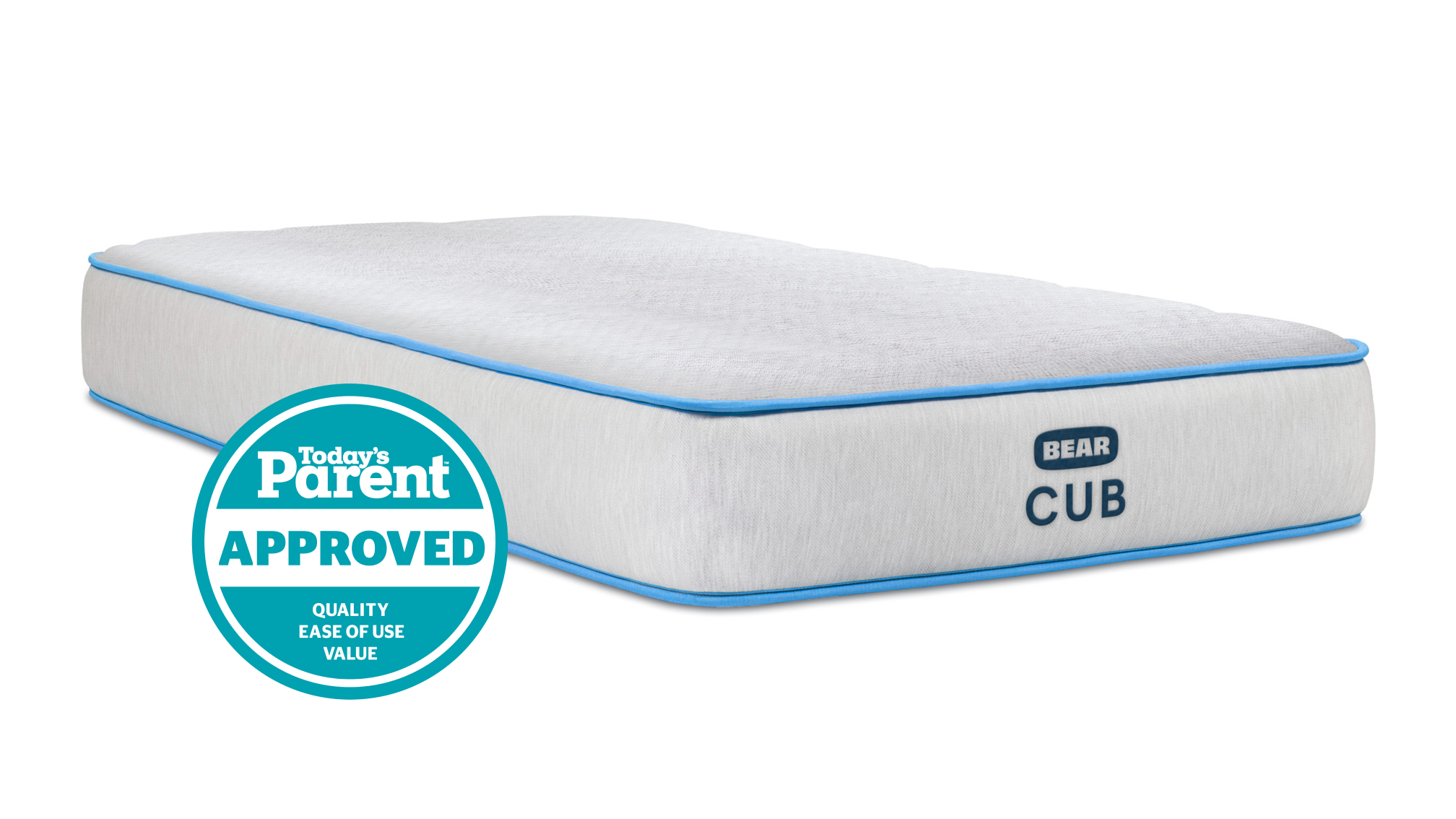
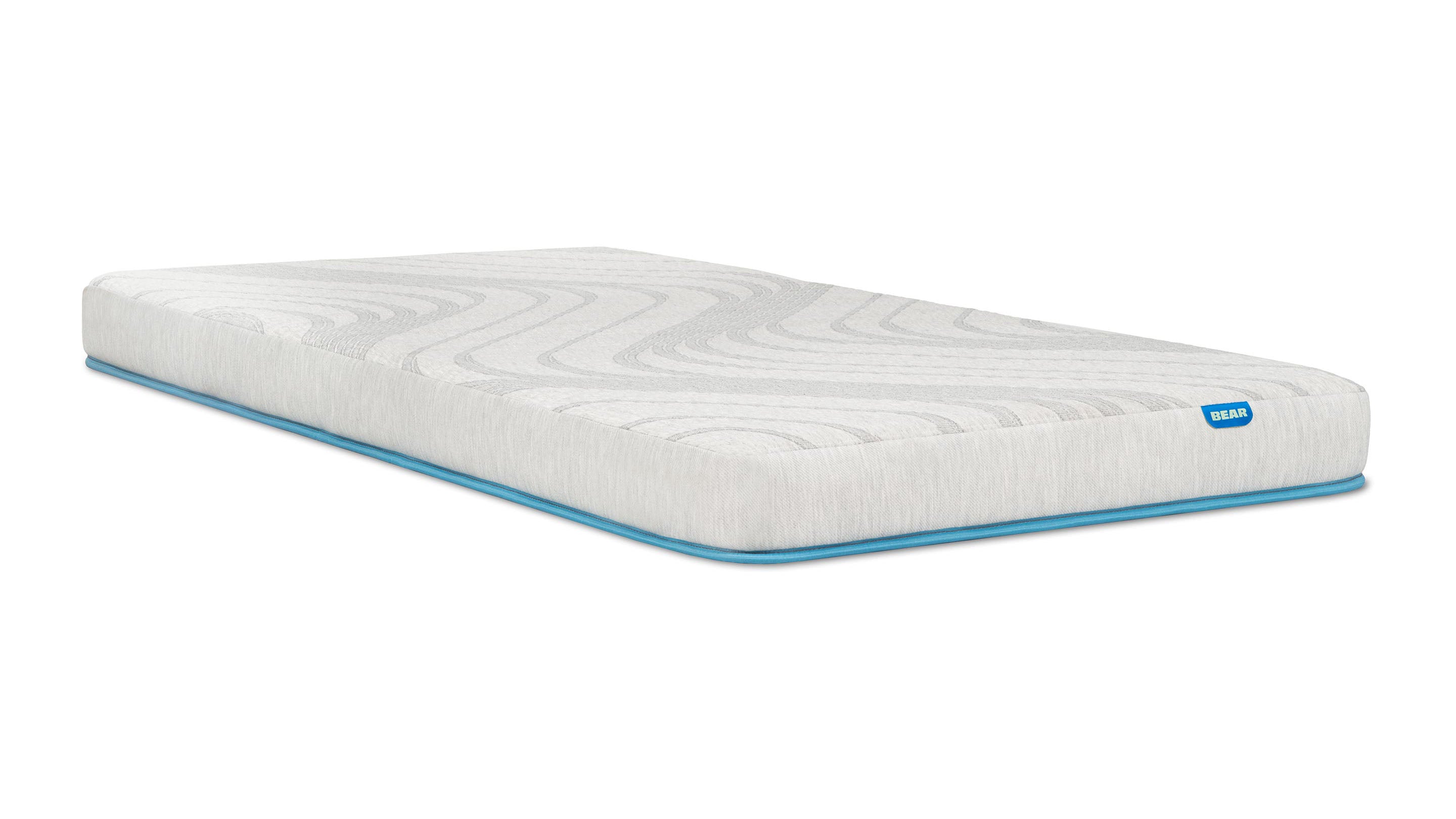
- Best Memory Foam Mattress for Kids: BB Kids
What Is a Memory Foam Mattress?
Memory foam is a type of polyurethane foam originally developed to respond to heat and pressure. When you lie on it, the material compresses around the contours of your body and gradually returns to its original shape when pressure is removed.
A memory foam mattress generally combines memory foam in the comfort system with additional foam layers underneath. These supporting layers are usually firmer and denser, giving the mattress structure and helping prevent excessive sinking.
Not every all-foam mattress is made entirely from memory foam. Many modern designs combine memory foam with responsive polyfoam, cooling foams, or other specialty materials to balance contouring with support and easier movement.
What Does a Memory Foam Mattress Feel Like?
Traditional memory foam is associated with a slow-moving, body-hugging sensation. Rather than pushing strongly against your body, the material compresses around areas such as the shoulders and hips.
However, not every memory foam mattress has a deep-sinking feel. Foam density, layer thickness, firmness, and the materials surrounding the memory foam can all change how the mattress feels.
Modern foam beds can range from soft and deeply contouring to very firm and supportive. For example, the Bear Original uses gel swirl memory foam alongside responsive comfort foam and a high-density foundation, creating a medium-firm feel rather than an especially plush one.
Benefits of Memory Foam Mattresses
Pressure Relief
Pressure relief is one of memory foam's biggest strengths. Because the material conforms to the body, it can redistribute weight rather than concentrating pressure around prominent areas.
This can be especially helpful for side sleepers, who place substantial pressure on their shoulders and hips.
Motion Isolation
Foam also tends to absorb movement rather than transferring it across the mattress.
If one partner changes positions or gets out of bed, the other may feel less movement than they would on a highly responsive sleep surface. That makes motion isolation an important consideration for couples, particularly light sleepers.
Contouring Comfort
Memory foam can fill the spaces between your body and the mattress, creating more continuous contact with the sleep surface.
Some sleepers enjoy this close contouring because it creates a cushioned, cradling sensation. Others prefer to feel more "on top" of their mattress, making a responsive foam or hybrid design potentially more appealing.
Quiet Performance
Because all-foam mattresses don't use a coil support system, they're generally very quiet. That's another potential benefit for couples or anyone easily disturbed by noise.
Wide Range of Firmness Options
Memory foam isn't synonymous with softness. Foam mattresses are available across a wide firmness range, from deeply cushioning beds designed for side sleepers to extra-firm mattresses intended for sleepers who want minimal sinkage.
Potential Drawbacks of Memory Foam Mattresses
Memory foam has its many advantages, but it isn't ideal for everyone. Potential drawbacks include:
- Heat retention is one of the most common concerns. Traditional memory foam can hold warmth close to the body, although modern mattresses may use gel infusions, perforations, breathable covers, or other technologies designed to improve temperature regulation.
- Deep sinkage can also make movement more difficult. Sleepers who frequently change positions may prefer responsive foam that returns to shape quickly or a hybrid mattress with coils.
-
Edge support can vary significantly between foam mattresses. If you frequently sit or sleep near the edge, look for a model with a stable, high-density construction and pay particular attention to edge-support testing or reviews.
If a memory foam mattress doesn't sound like the right fit for you, you can learn more about hybrid mattresses here.
Who Should Consider a Memory Foam Mattress?
A memory foam mattress may be a particularly good fit if you:
- Like a cushioned, contouring sleep surface
- Want strong pressure relief around sensitive areas
- Share your mattress and want to minimize motion transfer
- Prefer a quiet mattress without a coil system
- Want an all-foam bed that works with an adjustable base
On the other hand, sleepers who want substantial bounce, maximum airflow through the mattress, or a strongly lifted feel may prefer a hybrid.
Ultimately, "memory foam" describes a material—not one universal mattress feel. Looking at firmness, supporting layers, cooling features, and overall construction is the best way to find the right fit.
How to Choose the Best Memory Foam Mattress
Rather than choosing a mattress based on marketing terms alone, focus on how its construction matches your needs.
1. Start With Your Sleep Position
Side sleepers generally need more pressure relief around the shoulders and hips. A mattress that's too firm may create uncomfortable pressure in these areas.
Back sleepers typically benefit from a balanced surface that allows some contouring while maintaining support underneath the midsection.
Stomach sleepers generally require a firmer mattress. Too much sinkage around the hips can make it difficult to maintain a neutral sleeping position.
Combination sleepers should consider responsiveness in addition to firmness. A foam mattress that changes shape relatively quickly can make moving between positions easier.
2. Find the Right Firmness
Firmness is one of the most important characteristics to consider when choosing a memory foam mattress.
Keep in mind that firmness is subjective. The same mattress can feel softer to a heavier sleeper and firmer to a lighter sleeper because of how deeply each person compresses its comfort layers.
Rather than treating a firmness number as an absolute measurement, use it as a general comparison point between mattresses.
3. Look Beyond the Top Layer
Don't judge a mattress solely by the fact that it contains memory foam. Look at the complete construction.
The thickness and density of the support layers can influence stability and durability, while responsive transition foams can reduce the "stuck" feeling sometimes associated with traditional memory foam.
The Bear Original, for example, combines gel swirl memory foam with responsive comfort foam and a six-inch high-density foundation.
4. Consider Temperature Regulation
If you're a hot sleeper, cooling should be high on your checklist.
Traditional memory foam has a reputation for sleeping warm because the material contours closely around the body and can retain heat. Newer foam mattresses may address this through gel or copper infusions, open-cell structures, breathable covers, or other temperature-regulating materials.
5. Consider Motion Isolation for Couples
If you share your mattress, think about what happens when one person rolls over, gets up, or goes to bed later than the other.
Memory foam's ability to absorb movement makes it a natural material to consider for couples. Look for a mattress that combines motion isolation with enough responsiveness that changing positions doesn't feel difficult.
6. Check Materials and Certifications
Material certifications can provide additional information about how mattress foams and finished products are tested.
For example, CertiPUR-US® certification applies to polyurethane foam and establishes standards related to content, emissions, and durability. GREENGUARD Gold certification evaluates finished products for low chemical emissions.
7. Review the Sleep Trial and Warranty
Reading specifications can only tell you so much about how a mattress will feel.
An at-home sleep trial gives you time to experience the mattress under real sleeping conditions. Before purchasing, check the length of the trial, whether there's a required break-in period, how returns work, and what costs—if any—are associated with returning the mattress.
You should also review the warranty and understand which defects it covers.
Best Memory Foam Mattresses by Sleep Need
With this shopping criteria in mind, we've compiled our list of best memory foam mattresses for unique sleep requirements.
Best Value Memory Foam Mattress: Bear Original
- Best For: Value-focused shoppers who want balanced all-foam comfort.
- Why We Picked It: It offers a straightforward combination of contouring, cooling, support, and medium-firm comfort. AARP also named the Bear Original its Best Value Memory Foam Mattress in its 2026 roundup.
Best Memory Foam Mattress for Side Sleepers: Nolah Signature
- Best For: Side sleepers who prioritize cushioning around their shoulders and hips.
- Why We Picked It: Its pressure-relieving, zoned all-foam construction is particularly well suited to the demands of side sleeping.
Best Memory Foam Mattress for Back Sleepers: Bear Original
- Best For: Back sleepers looking for a supportive all-foam mattress without an overly firm feel.
- Why We Picked It: The medium-firm construction balances memory foam contouring with stable underlying support.
Best Memory Foam Mattress for Stomach Sleepers: Plank Firm
- Best For: Stomach sleepers who want an exceptionally firm all-foam surface.
- Why We Picked It: Few all-foam mattresses offer this degree of firmness, and the flippable design gives sleepers two firm comfort options.
Best Memory Foam Mattress for Couples: Bear Pro Foam
- Best For: Couples who want close-contouring comfort and minimal disturbance from a partner's movements.
- Why We Picked It: It combines the motion-absorbing characteristics couples often want from foam with a thicker, pressure-relieving comfort system.
Best Memory Foam Mattress for Kids: BB Kids
- Best For: Kids who need a supportive, straightforward foam mattress.
- Why We Picked It: Its lower-profile, firm all-foam construction is specifically designed around the needs of younger sleepers.
Which Memory Foam Mattress Is Best for You?
There isn't one memory foam mattress that's right for every sleeper. The best choice is the one that fits your sleeping position, firmness preferences, temperature needs, and lifestyle.
Side sleepers may want to prioritize cushioning and pressure relief. Back sleepers often benefit from a medium-firm balance of contouring and support, while stomach sleepers should generally look for a firmer surface that limits excessive sinkage. Couples may want to place additional emphasis on motion isolation, and parents should look for age-appropriate firmness, materials, and mattress height when shopping for kids.
The key is to look beyond the "memory foam" label. Compare the complete construction, firmness, cooling features, support system, certifications, sleep trial, and warranty before making your decision.
With the right combination, a quality memory foam mattress can deliver the pressure relief and body-contouring comfort the material is known for while still providing the stable support you need for a comfortable night's sleep.
Disclaimer: Bear does not provide medical advice. All resources on the Bear blog, including this article, are informational only and do not replace professional medical counsel. Talk to your doctor about any health, mental health, or sleep-related issues.