
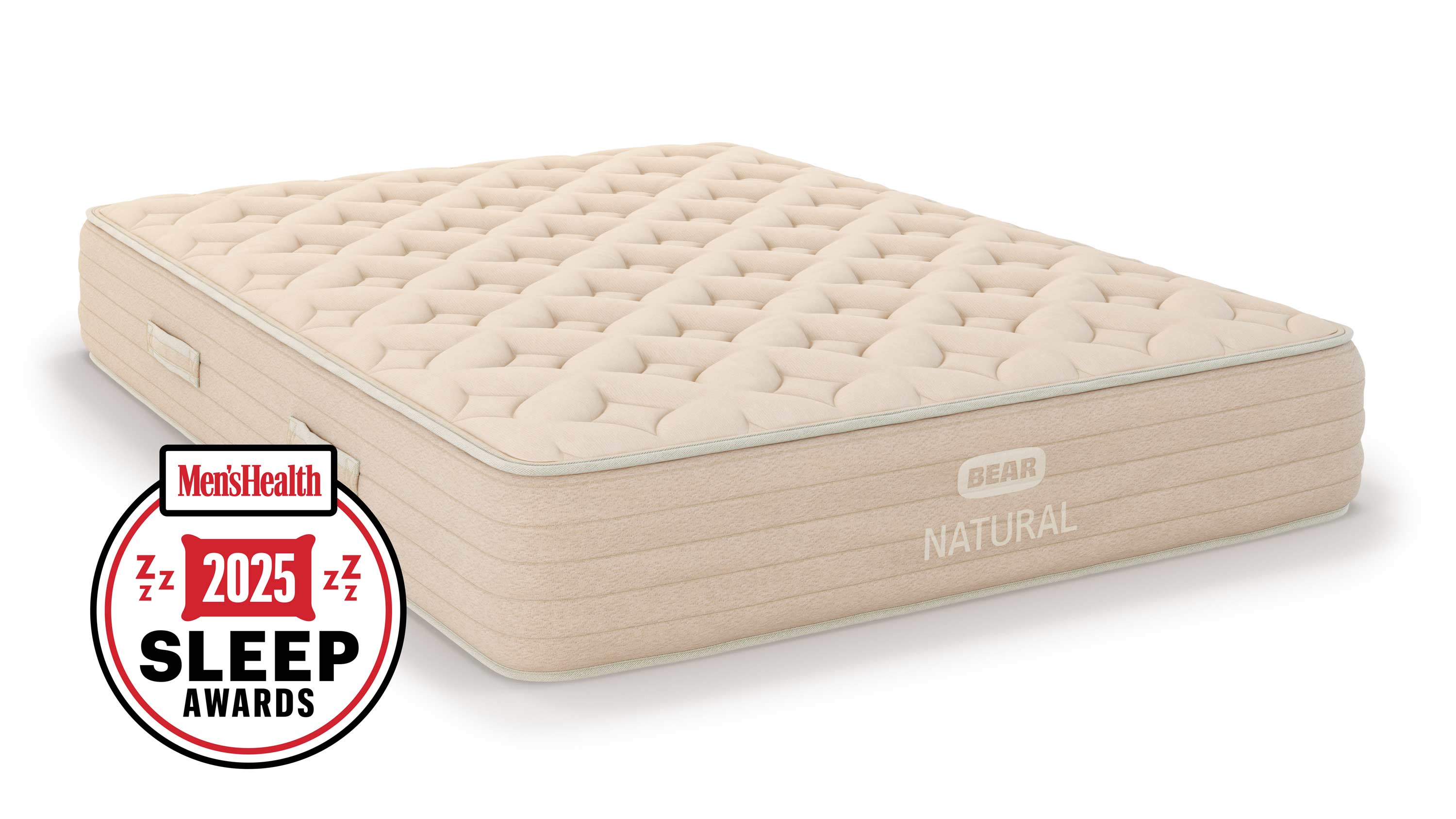


If you’re shopping for a new mattress because of back pain, you’ll quickly run into a familiar debate: memory foam vs. hybrid—which is better?
The short answer is that both can be good options. A memory foam mattress typically provides deeper contouring and strong pressure relief, while a hybrid combines cushioning foam with coils for a more responsive, supportive feel. Which one is right for you depends on your sleep position, body type, firmness preference, and how much contouring you like.
Below, we’ll break down how each mattress type works, where each tends to excel, and what sleepers with back pain should consider when comparing them.
How Can a Mattress Affect Back Pain?
A mattress doesn’t need to feel exceptionally firm to provide good support. More important is how well it accommodates your body while you sleep. For sleepers dealing with back discomfort, two essential factors are especially worth considering: spinal alignment and pressure relief.
Spinal Alignment
Ideally, your mattress should support your body in a relatively neutral sleeping position. If the mattress is too soft for your body type and sleep position, heavier areas like your hips may sink too deeply. If it’s too firm, it may not contour enough to comfortably accommodate your body's natural curves.
The goal is a surface that cushions the body while providing enough underlying support to keep you from sinking excessively.
Pressure Relief
Pressure relief describes how effectively a mattress distributes your body weight and cushions areas that press most heavily into the bed.
This is particularly important for side sleepers, who put more direct pressure on their shoulders and hips. However, pressure relief can matter for any sleeping position. A mattress should provide enough cushioning to feel comfortable without allowing the body to sink so deeply that support suffers.
Memory Foam vs. Hybrid Mattresses: What's the Difference?
The biggest difference between memory foam and hybrid mattresses is their underlying construction.
A memory foam mattress uses layers of foam for both comfort and support. A hybrid combines foam comfort layers with an innerspring support system. That construction difference affects everything from contouring and responsiveness to airflow and edge support.
What Is a Memory Foam Mattress?
Memory foam is known for its contouring properties. Rather than immediately pushing back against your weight, the foam compresses around the body to create a more cradled feeling.
All-foam mattresses generally combine softer comfort foams near the surface with denser support foams underneath.
Common characteristics of memory foam mattresses include:
- Deep body contouring
- Strong pressure relief
- Excellent motion isolation
- Minimal bounce
- A quieter sleep surface
Some sleepers love the body-hugging sensation of memory foam, while others prefer a mattress that feels easier to move around on. Foam construction can also vary considerably, so not every memory foam mattress will have the same level of sinkage or heat retention.
What Is a Hybrid Mattress?
A hybrid mattress combines one or more foam comfort layers with a coil-based support system.
The foam provides cushioning and pressure relief, while the coils give the mattress a more responsive foundation. Many modern hybrids also use individually wrapped coils, which can compress independently to better adapt to the sleeper's body.
Hybrids generally offer:
- A balance of cushioning and support
- More bounce and responsiveness
- Increased airflow through the coil layer
- Stronger edge support
- Easier movement across the mattress
However, hybrids vary widely. The thickness and type of foam, coil design, zoning, and firmness can all significantly change how a hybrid feels.
Memory Foam vs. Hybrid at a Glance
| Characteristic | Memory Foam | Hybrid |
|---|---|---|
| Feel | Slow-response, contouring "hug" that cradles the body and relieves pressure points | Balanced feel — coils provide bounce and responsiveness while a foam comfort layer adds some contouring |
| Cooling | Traditionally traps more body heat, though gel-infused or open-cell foams help offset this | Coil layer promotes airflow, so hybrids generally sleep cooler than all-foam beds |
| Motion Isolation | Excellent — absorbs movement well, making it a strong pick for couples or light sleepers | Good, but slightly less isolating than memory foam since coils can transfer some motion |
| Support / Edge Support | Full-body contouring support, but edges can feel softer and less stable | Stronger edge support and consistent support across the surface thanks to the coil base |
| Durability | Typically holds up well over time, though softer foams may show body impressions sooner | Coils plus foam layers often extend the mattress's overall lifespan |
| Price Range | Generally more affordable, especially at entry-level tiers | Usually a higher price point due to the combination of coils and foam materials |
| Best For | Sleepers who want pressure relief and a close, cushioned feel | Sleepers who want a mix of support and comfort, plus better temperature regulation |
Is Memory Foam Good for Back Pain?
Memory foam can be a good mattress material for sleepers with back pain because it contours around the body and distributes weight across the sleep surface. The key is finding a model with enough underlying support to prevent excessive sinking.
Potential Benefits of Memory Foam
One of memory foam's biggest strengths is pressure relief. As the foam conforms to your body, it can cushion areas like your shoulders, hips, and lower back.
This contouring may be particularly appealing if you prefer feeling cradled by your mattress rather than sleeping "on top" of it.
Memory foam is also excellent at absorbing movement. If you share your mattress with a partner, strong motion isolation can mean fewer disturbances when someone changes positions or gets out of bed.
Potential Drawbacks of Memory Foam
More contouring isn't always better. If a foam mattress is too soft for your body type or sleeping position, your hips or midsection may sink farther into the bed than the rest of your body.
Some sleepers also find deeply contouring foam harder to move around on, which may be less appealing for combination sleepers who frequently change positions.
Temperature is another consideration. Traditional memory foam has a reputation for retaining heat, although newer mattress designs may incorporate breathable covers, open-cell foams, cooling materials, or other features intended to manage temperature.
Who Might Prefer Memory Foam?
Memory foam may be worth considering if you:
- Like a close-contouring, cradled feel
- Prioritize pressure relief
- Sleep primarily on your side
- Share a bed and want strong motion isolation
- Prefer minimal bounce
Is a Hybrid Mattress Good for Back Pain?
Yes, hybrid mattresses are often a strong option for back pain because they combine pressure-relieving comfort layers with a responsive coil support system. Instead of choosing between foam cushioning and innerspring support, hybrids are designed to offer characteristics of both.
Potential Benefits of a Hybrid Mattress
The coil system gives hybrids a responsive foundation. As you change positions, the mattress tends to respond more quickly than deeply conforming memory foam.
That can make hybrids appealing to back, stomach, and combination sleepers, particularly those who don't like feeling deeply enveloped by their mattress.
The open space around the coils can also promote airflow through the mattress. For hot sleepers, that can give hybrids an advantage over some all-foam designs.
Many hybrids also reinforce the perimeter of the mattress, which can provide a more stable edge for sitting and sleeping.
Potential Drawbacks of a Hybrid Mattress
Hybrids are often heavier than all-foam mattresses and can be more expensive due to their more complex construction.
They also tend to have more bounce. While individually wrapped coils and foam comfort layers can limit motion transfer, sleepers who are extremely sensitive to a partner's movement may still prefer the motion isolation of an all-foam mattress.
Who Might Prefer a Hybrid?
A hybrid may be worth considering if you:
- Want cushioning without deep sinkage
- Prefer a more responsive sleep surface
- Frequently change sleeping positions
- Tend to sleep hot
- Want stronger edge support
- Like the combination of foam and coil support
Memory Foam vs. Hybrid for Back Pain by Sleep Position
Your sleep position changes how your body interacts with a mattress, so it should be part of the memory foam vs. hybrid decision.
Side Sleepers
Side sleepers generally need enough cushioning around their shoulders and hips to prevent uncomfortable pressure buildup.
Memory foam can work especially well here because of its contouring properties. However, a hybrid with substantial comfort layers can offer similar pressure relief while providing a more responsive feel.
The most important consideration is finding enough cushioning for your shoulders and hips without allowing them to sink excessively.
Back Sleepers
Back sleepers generally benefit from a balance of contouring and support. The mattress should accommodate the natural curve of the lower back while keeping the hips from sinking too far below the rest of the body.
Both mattress types can accomplish this. Memory foam may appeal to back sleepers who prefer more contouring, while a hybrid may suit those who prefer a more lifted and responsive sensation.
Stomach Sleepers
Stomach sleepers generally need a sleep surface that limits excessive sinking around the midsection. If the hips sink too deeply, the lower back can move into an uncomfortable position.
A supportive hybrid can be a natural fit for this preference, although a firmer all-foam mattress can also work well. Mattress firmness and the sleeper's body weight may be more important here than construction alone.
Combination Sleepers
If you regularly switch between your side, back, and stomach, responsiveness becomes more important. Hybrid mattresses often have an advantage for combination sleepers because the coil system makes it easier to move across the surface.
So, Is Memory Foam or Hybrid Better for Back Pain?
There isn't a universal winner.
Memory foam may be better for back pain if you prefer deeper contouring, strong pressure relief, and a more cradled feel. A hybrid may be better if you want pressure relief combined with greater responsiveness, airflow, edge support, and a more supportive "lifted" sensation.
Consider memory foam if you prioritize:
- Deep contouring
- Pressure relief
- Motion isolation
- A quieter, less bouncy surface
Consider a hybrid if you prioritize:
- Responsive support
- Easier movement
- Increased airflow
- Strong edge support
- A balance between cushioning and structure
Most importantly, don't choose based on construction alone. Two hybrid mattresses can feel dramatically different from one another, just as two memory foam mattresses can.
Your sleep position, body type, preferred firmness, and comfort preferences should all factor into the decision.
Bear Mattress Options for Back Pain
At Bear, we make both memory foam and hybrid mattresses because different sleepers need different things from their beds. If you're deciding between the two constructions, here are three options to consider.
Bear Pro Foam: A Memory Foam Option
The Bear Pro Foam is a good starting point for shoppers who want the contouring and pressure-relieving qualities of an all-foam mattress.
Its foam construction creates a more conforming sleep surface without the bounce of coils. That makes it particularly appealing for sleepers who prioritize cushioning, motion isolation, and the classic memory foam feel.
Consider the Bear Pro Foam if: You want an all-foam mattress with contouring pressure relief and prefer minimal bounce.
Bear Elite Hybrid: A Premium Hybrid Option
For sleepers who prefer a more responsive mattress, the Bear Elite Hybrid combines foam comfort layers with an individually encased coil system.
The Elite Hybrid uses zoned support designed to provide targeted reinforcement across different areas of the body and is available in multiple firmness options, allowing shoppers to choose a feel that better matches their sleep position and preferences.
The Bear Elite Hybrid is also endorsed by the American Chiropractic Association (ACA), making it a noteworthy option for shoppers specifically researching mattresses with back support in mind.
Consider the Bear Elite Hybrid if: You want a premium hybrid with responsive support, pressure-relieving comfort layers, and multiple firmness choices.
Bear Pro Hybrid: A Balanced Hybrid Alternative
The Bear Pro Hybrid offers another option for shoppers who like the feel of foam but want the responsiveness of coils underneath.
Its hybrid construction provides cushioning at the surface with a coil support system below, making it a versatile choice for shoppers who want to avoid the deeper sink commonly associated with all-foam beds.
Consider the Bear Pro Hybrid if: You want a balance of foam cushioning and responsive coil support in a straightforward hybrid design.
Final Verdict: Focus on How the Mattress Supports You
When comparing memory foam vs. hybrid mattresses for back pain, don't get too caught up in finding a universally "best" construction. Both can provide the combination of support and pressure relief that sleepers with back discomfort may be looking for.
If you love a body-hugging feel and prioritize pressure relief and motion isolation, memory foam may be the better fit. If you prefer more responsiveness, airflow, edge support, and a lifted sensation, a hybrid may make more sense.
Ultimately, the best mattress for back pain is one that suits your body, sleep position, and comfort preferences while providing the support you need to rest comfortably.
Disclaimer: Bear does not provide medical advice. All resources on the Bear blog, including this article, are informational only and do not replace professional medical counsel. Talk to your doctor about any health, mental health, or sleep-related issues.