

Joint pain keeping you up at night? You’re not the only one. More than 53 million people in the United States deal with joint pain—and up to 80% of them struggle to sleep because of it.
Understanding the connection between joint pain and sleep, along with how your mattress can worsen or improve symptoms, can help you choose the best mattress for joint pain.
What Is the Best Mattress for Joint Pain? (Overview)
The best mattress for joint pain is one that:
-
Relieves pressure at key points (hips, shoulders, knees)
-
Supports proper spinal alignment
-
Balances cushioning with support
-
Allows easy movement without strain
In short, you want a mattress that reduces pressure, not adds to it.
How Joint Pain and Sleep Are Connected
The link between joint pain and sleep can feel like a vicious cycle. Sore joints may keep you from getting the restful sleep you need, which in turn triggers an increase in inflammation that makes joint problems worse. Your bed can either break this cycle—or make it worse.
Sleeping on a mattress that doesn’t properly support your body can put painful pressure on your hips, shoulders, and knees, leaving you with achy joints in the morning. The best mattress for joint pain is one that provides pressure relief, meaning it cushions your body in the places where your body meets your mattress (known as pressure points) to prevent joint-straining pressure from building up.
Mattress Materials That Help Relieve Joint Pain
Different mattress types and materials provide pressure relief and support in unique ways. Understanding your options is key to choosing the best mattress for joint pain, your body type, sleep position, and preferences.
Memory Foam
Memory foam is a soft foam that gently hugs your body, “remembering” your shape. This type of comfort material offers deep contouring while preventing the buildup of painful pressure around your joints.
Latex
Latex foam offers cushioning and pressure relief, but it doesn’t contour as deeply as memory foam. It’s also highly responsive (bounces back quickly), allowing you to shift positions and move easily around your mattress.
Hybrid
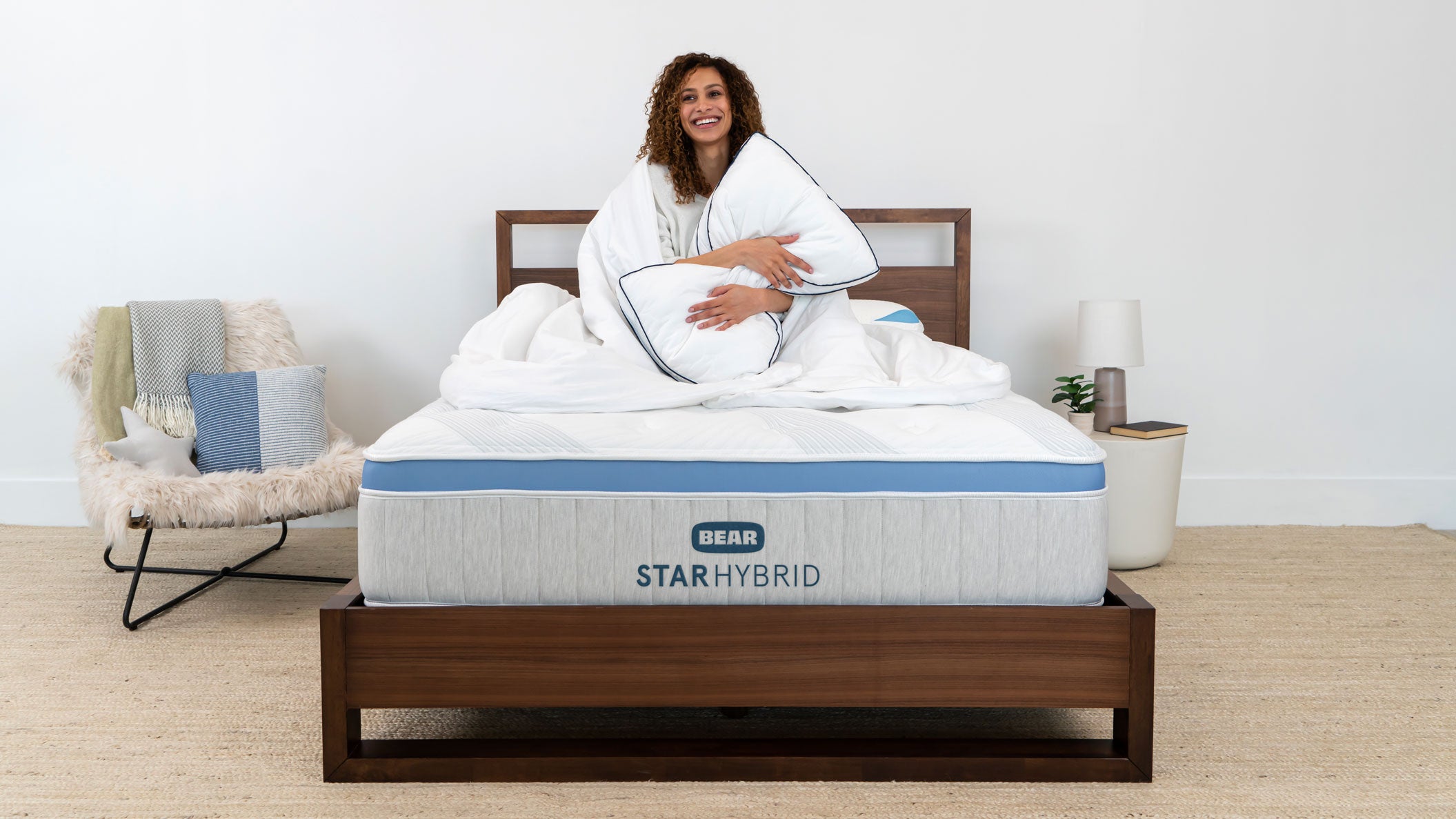
Hybrid mattresses give joint pain sufferers the best of two worlds. They marry the cushioning comfort of memory foam or latex with the firm yet responsive support of individually encased innerspring mattress coils.
Memory Foam, Latex, and Hybrid Mattress Comparison for Pressure Relief
|
Feature |
Memory Foam |
Latex |
Hybrid |
|
Overall Pressure Relief |
Excellent |
Very Good |
Very Good |
|
How It Relieves Pressure |
Deep contouring, “hugs” the body, and redistributes weight evenly |
Gentle contouring with slight bounce reduces pressure without sink |
Foam layers cushion pressure points while coils provide deep support and stability |
|
Contouring & Feel |
High (close, cradling feel) |
Moderate (more buoyant, lifted feel) |
Moderate to high (depends on foam layers) |
|
Responsiveness & Ease of Movement |
Low (slow response) |
High (quick bounce-back) |
Moderate to high (depends on foam layers)
|
|
Best Choice If You Want… |
Maximum pressure relief and deep contouring |
Pressure relief, ease of movement, and a lifted feel |
Balanced support, cushioning, and ease of movement |
Why Spinal Alignment Matters
While pressure relief is crucial, it’s not the only consideration when choosing the best mattress for joint pain. You should also prioritize spinal alignment.
Your mattress should keep your spine in a neutral position, following its gentle “S” curve. Misalignment can increase stress on joints, worsen back and hip pain, and lead to morning stiffness.
What does proper support look like in a mattress?
Your bed should provide enough resistance to keep the heaviest parts of your body from sinking too far. But as previously mentioned, you need cushioning in these areas to prevent pressure from building up.
Your mattress must perform a balancing act, providing ample support to prevent sinkage while soothing sore joints and relieving tension at critical junctions. That’s why it’s so important to choose the right mattress firmness level for your sleep position and body type.

What Firmness Is Best for Joint Pain?
Most experts recommend medium to medium-firm (around 5–7.5 on the firmness scale) as the best starting point for joint pain.
General Guidelines:
-
Side Sleepers: Medium-soft to medium (more cushioning for shoulders/hips)
-
Back Sleepers: Medium to medium-firm (balanced support)
-
Stomach Sleepers: Medium-firm to firm (prevents sinking)
Remember, body weight also matters:
-
Heavier sleepers may need firmer support
-
Lighter sleepers often prefer softer cushioning
The best mattress for joint pain is ultimately the one that keeps your body aligned and comfortable. Check out our Mattress Firmness Guide if you need further assistance in this area.
Why Responsiveness Matters for Joint Pain
When you’re dealing with joint pain, the last thing you want is a mattress that makes it harder to move at night or get out of bed in the morning. The way a mattress impacts mobility is a product of responsiveness, and it can help or hinder your joint issues.
For this reason, it’s worth factoring responsiveness into your search for the best mattress for joint pain. While memory foam mattresses provide contoured comfort and premium pressure relief, they respond slowly by nature.
Latex and hybrid mattresses tend to be more responsive, and therefore easier to move around on (and get up from). This is not to say that memory foam mattresses aren’t a good choice for sleepers with joint pain, because they absolutely can be. It’s just a matter of your personal preference and how often you shift positions throughout the night.
Additional Features That Improve Comfort
- Cooling Materials– For people with joint pain who also struggle with temperature regulation at night, cooling materials may be the missing piece of your sleep struggle.
-
Edge Support– If joint pain makes getting into and out of bed a challenge, you’ll want to choose a mattress with good edge support. This means the firmness and structure of the mattress extend all the way to the edges of the bed, offering support and stability.
- Adjustable Base Compatibility– If an adjustable base is part of your joint-supporting sleep plan, you’ll want to make sure you choose a mattress that works with your particular base. (All Bear mattresses are compatible with an adjustable bed base!)
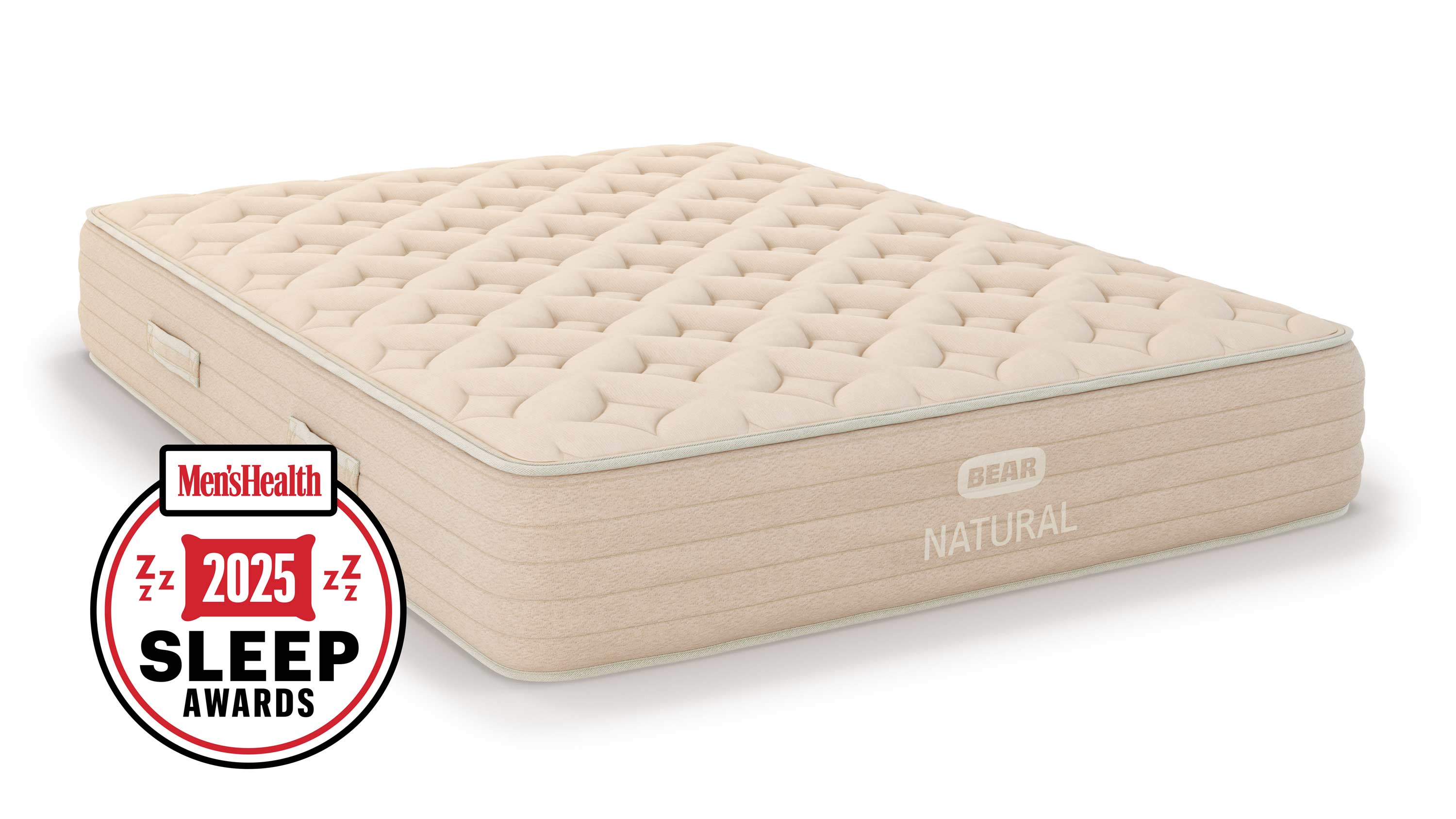
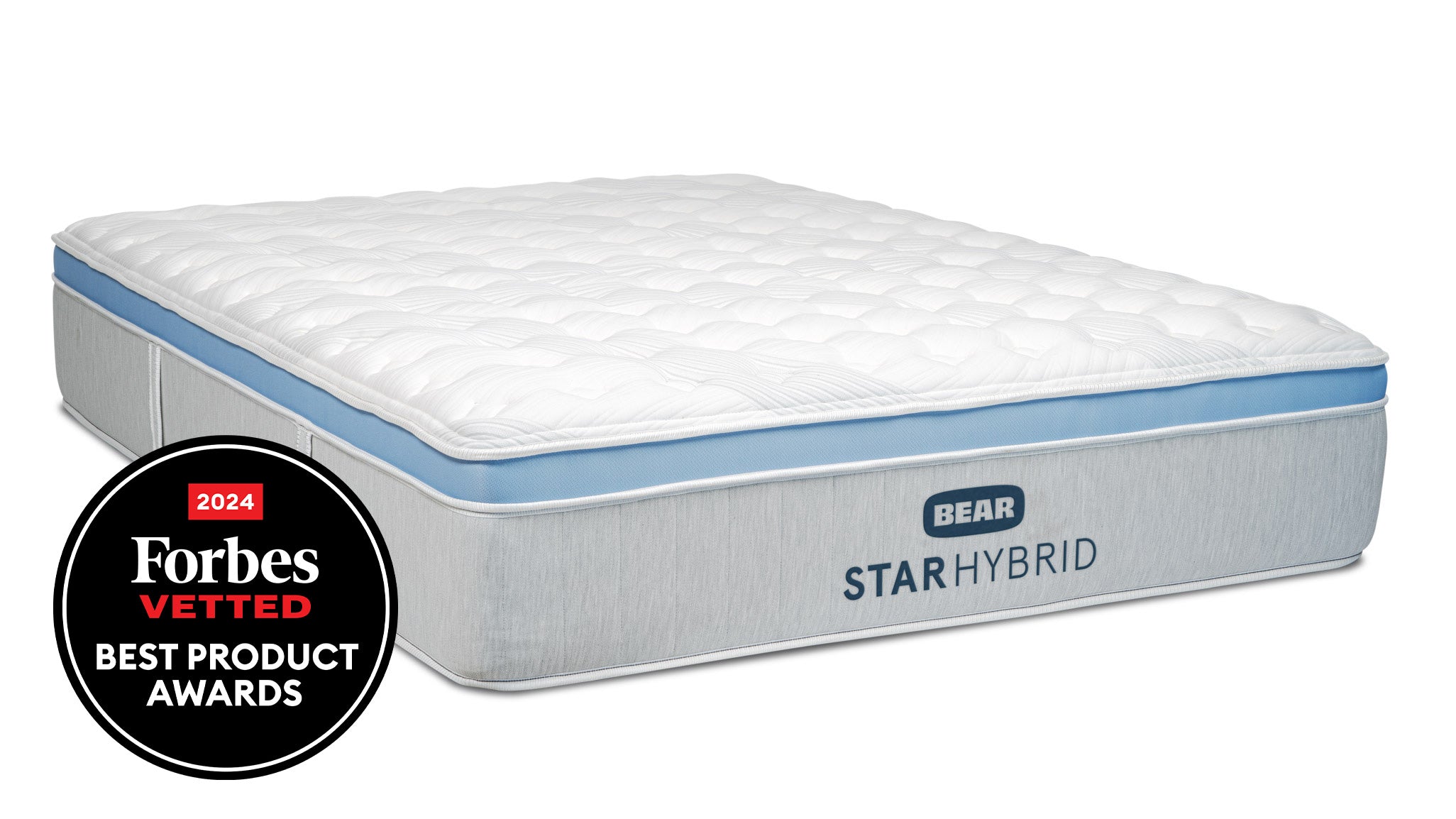
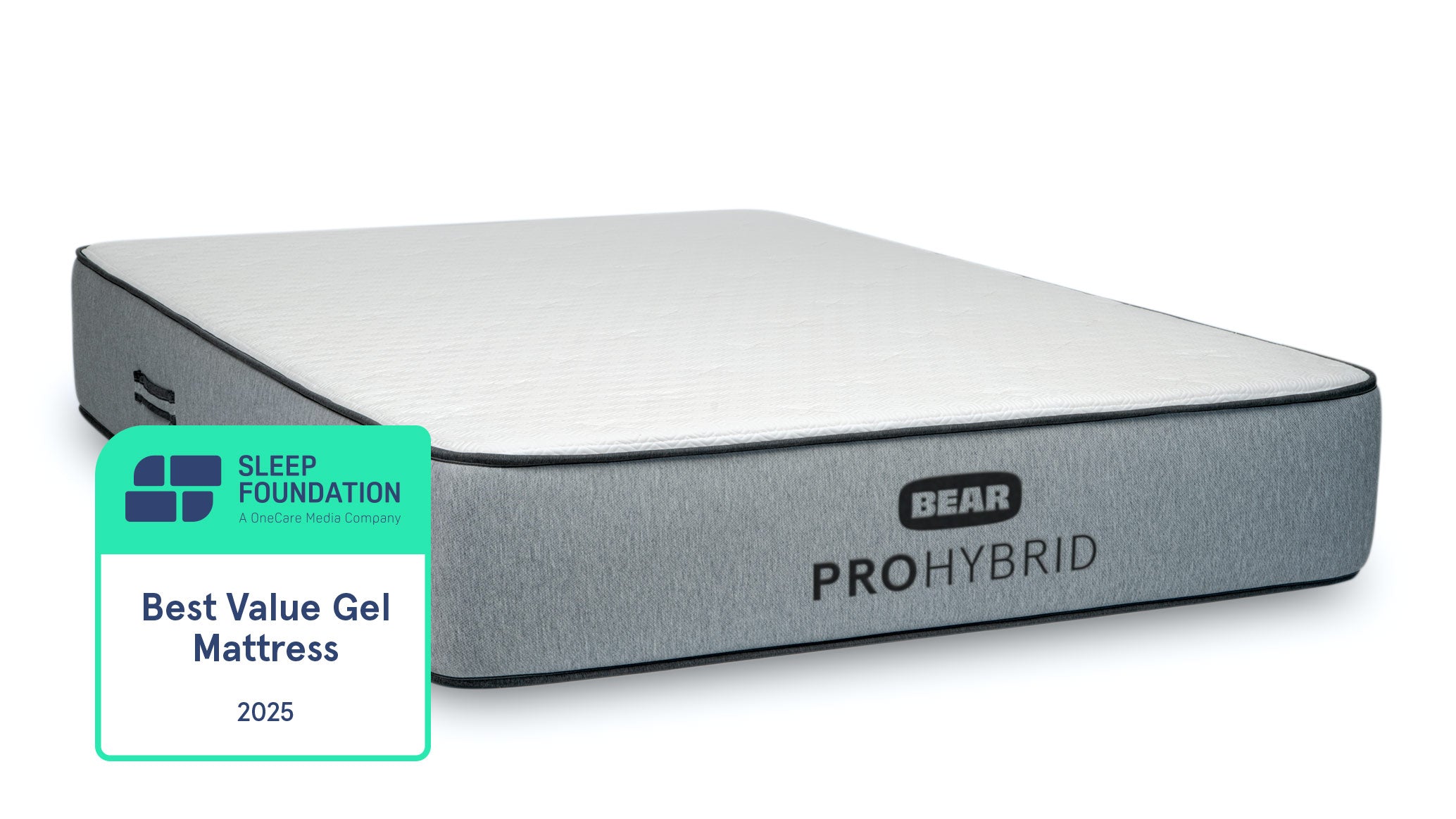
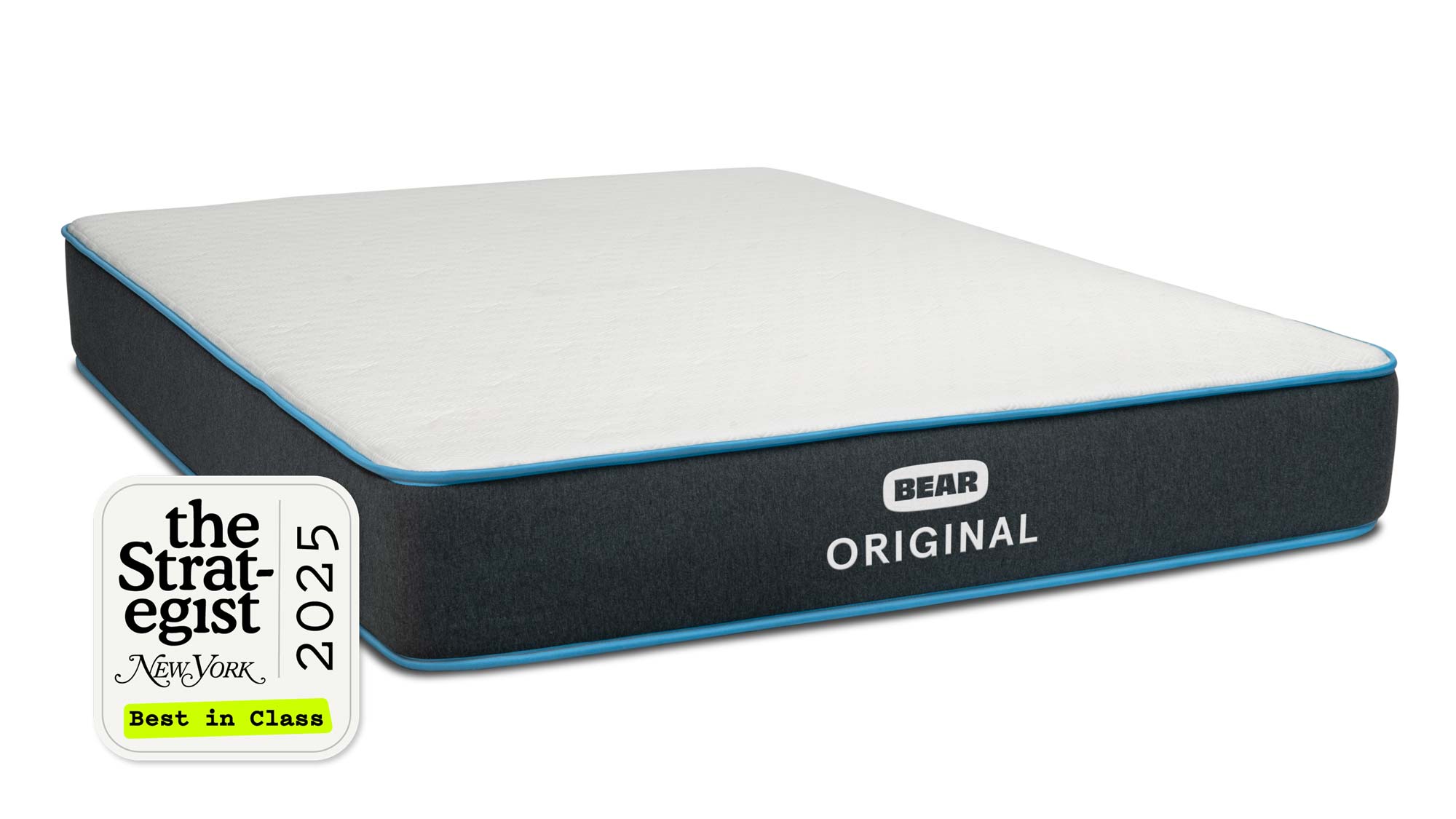
Bear Mattresses Made for Joint Pain Relief
- Best value
- Cooling gel memory foam
-
High-density base support foam
- Most luxurious
- Cooper-infused memory foam
-
Zoned coil core with enhanced edge coils