
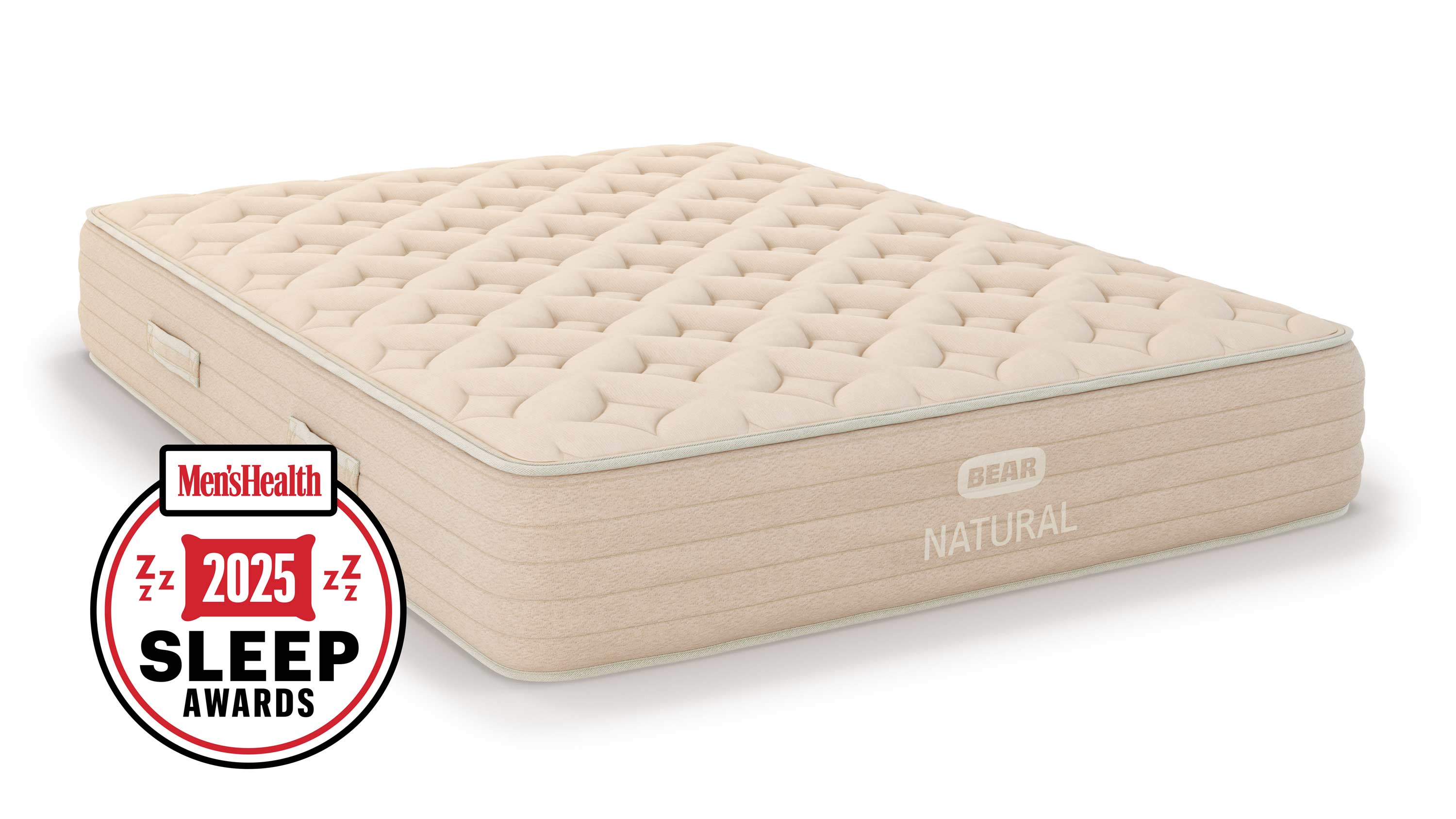


What Is the Best Kids Mattress in 2026?
Finding the best kids mattress isn't just about choosing the right size—it's about giving your child the support and comfort they need through every stage of growing up.
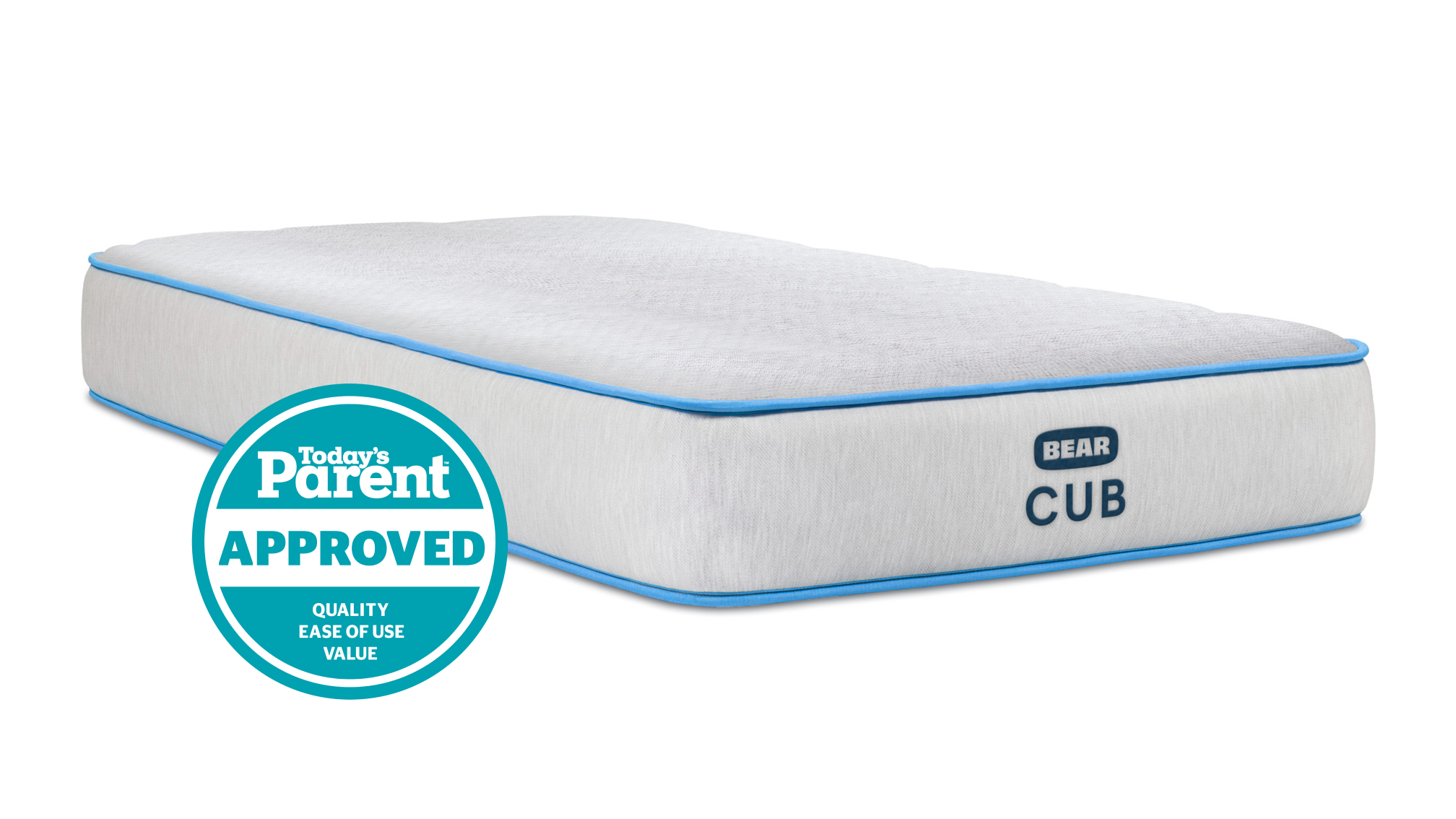
The Bear Cub is our pick for the best kids mattress of 2026. Its hybrid construction combines cooling gel memory foam, responsive coils, reinforced edge support, and trusted third-party safety certifications to create a mattress that's built for growing bodies and years of restful sleep.
Other standout options include the Nolah Nurture for families who want a flippable mattress that grows with their child and the Leesa Natural Youth Hybrid for those prioritizing natural materials.
No matter which mattress you choose, look for one that offers the right balance of support, durability, temperature regulation, and certified materials. Kids spend a significant portion of their lives sleeping—between 8 and 13 hours each day, depending on their age—making a quality mattress an investment in both comfort and healthy development.
Why Does a Good Mattress Matter for Growing Kids?
Sleep does much more than help kids feel rested.
According to the American Academy of Pediatrics, children ages 3–5 should get 10–13 hours of sleep each night, children 6–12 need 9–12 hours, and teenagers should aim for 8–10 hours. Those hours support physical growth, learning, memory, emotional well-being, and overall health.
While no mattress can guarantee better sleep, the right one can make it easier for children to stay comfortable throughout the night. A supportive mattress helps keep the spine in a neutral position, cushions pressure points, regulates temperature, and provides a stable sleep surface as kids grow.
On the other hand, a mattress that's too soft, too firm, or beginning to sag may make it harder for a child to settle into a comfortable sleeping position.
What Should Parents Look for in a Kids Mattress?
Shopping for a kids mattress can feel overwhelming, especially with so many materials and features available. Fortunately, a few key factors matter more than flashy marketing claims.
When comparing mattresses, consider:
- Firmness
- Overall support
- Mattress size
- Temperature regulation
- Durability
- Safety certifications
- Your child's age
- Sleeping position
- Bed-frame compatibility
The best mattress is ultimately the one that matches your child's current needs while offering enough durability to support years of growth.
What Mattress Firmness Is Best for Each Age Group?
Children's comfort preferences change as they grow, so there's no single firmness level that's ideal for everyone. Age, body size, and sleeping position all play a role.
Toddlers (Ages 2–5)
Young children generally benefit from a supportive, relatively firm mattress. As always, parents should follow both the crib or bed manufacturer's recommendations and the mattress manufacturer's age guidelines before transitioning a child into their first "big kid" bed.
School-Age Children (Ages 6–12)
A medium to medium-firm mattress is often the sweet spot for elementary-age children. It provides enough cushioning for comfort while maintaining the support needed for growing bodies.
Teenagers (Ages 13–18)
As teens grow taller and heavier, many become more comfortable on mattresses similar to those designed for adults. A medium to medium-firm feel works well for many sleeping positions, and taller teens may benefit from upgrading to a Twin XL or Full mattress for additional space.
Families who want a mattress that adapts over time may also appreciate a flippable mattress with two firmness levels. These designs allow parents to switch sleeping surfaces as a child's comfort needs evolve instead of purchasing a new mattress sooner than necessary.
Which Mattress Certifications Matter for Children?
Many parents pay close attention to the materials used inside their child's mattress—and for good reason. Independent certifications help verify that certain foams, fabrics, and finished products meet established standards for emissions and material safety.
Here are three certifications worth looking for:
CertiPUR-US®
CertiPUR-US certifies flexible polyurethane foams for emissions, durability, and content, including limits on certain chemicals and volatile organic compounds (VOCs).
GREENGUARD Gold
GREENGUARD Gold certification evaluates the finished product for low chemical emissions, making it a popular certification for products used in bedrooms, schools, and other indoor environments.
OEKO-TEX® Standard 100
OEKO-TEX® Standard 100 tests textile components—including fabrics and covers—for a wide range of regulated and potentially harmful substances.
If you're shopping for a mattress made with natural or organic materials, you'll also see features like organic cotton, natural latex, or wool. While these materials appeal to many families, it's still worth checking which parts of the mattress are actually certified rather than assuming the certification applies to the entire product.
What Mattress Size Is Best for a Child?
The right mattress size depends on your child's age, height, bedroom space, and how long you hope the mattress will last.
A Twin mattress (approximately 38" × 75") is the most popular option for children transitioning from a crib or toddler bed. It fits most standard kids' bed frames while leaving more open floor space for play.
A Twin XL offers the same width with an extra five inches of length, making it an excellent choice for taller children and teenagers.
Older kids who want more room—or siblings who occasionally share the bed for movie nights or story time—may appreciate the extra width of a Full mattress.
If you're shopping for a bunk bed or loft bed, always confirm that the mattress height stays within the bed manufacturer's recommended safety limits so guardrails remain effective.
How Long Should a Kids Mattress Last?
A quality kids mattress can last for many years, but its lifespan depends on the materials, construction, and how it's used.
As children grow, they may outgrow a mattress long before it wears out. A mattress that worked perfectly in elementary school may simply feel too short or no longer provide enough support during the teenage years.
Regardless of age, it's time to replace a mattress if you notice:
- Visible sagging
- Permanent body impressions
- Lumps or uneven areas
- Torn materials
- Persistent odors
- Reduced comfort or support
Regular care—including rotating the mattress and using a waterproof protector—can also help extend its lifespan.
Which Mattress Materials Sleep Coolest?
If your child tends to kick off the blankets or wake up feeling warm, mattress materials can make a noticeable difference.
Generally, mattresses with breathable covers, natural latex, or open coil systems allow more airflow than solid memory foam designs. Cooling gel memory foam can also help regulate surface temperature, although overall cooling depends on the mattress as a whole—not just a single layer.
For example, the Bear Cub pairs cooling gel memory foam with individually encased coils. The open space around the coil system encourages airflow throughout the mattress, helping create a cooler sleeping environment than many traditional all-foam beds.
Does a Child Need a Waterproof Mattress?
While a waterproof mattress isn't essential, a waterproof mattress protector or mattress encasement is one of the smartest accessories parents can buy.
A quality protector helps guard against spills, sweat, nighttime accidents, and everyday messes without dramatically changing how the mattress feels.
It's also much easier—and less expensive—to replace a mattress protector than an entire mattress.
Beyond waterproofing, look for a mattress with durable materials, sturdy edge support, and construction designed to handle years of jumping into bed after long days of school and play.
How Should a Mattress Match a Child's Sleep Position?
Many children are combination sleepers who move between their back, side, and stomach throughout the night. That's why a medium-firm mattress often works well for a wide range of kids—it balances pressure relief with reliable support.
Different sleeping positions can benefit from slightly different characteristics:
Side Sleepers
Children who sleep on their sides typically appreciate extra cushioning around the shoulders and hips to reduce pressure.
Stomach Sleepers
A slightly firmer, more supportive surface can help prevent the hips from sinking too deeply, encouraging better spinal alignment.
Back Sleepers
Back sleepers generally do well on mattresses that provide balanced support while maintaining the spine's natural curve.
Combination Sleepers
Kids who change positions frequently often prefer responsive mattresses that make movement easier throughout the night.
Most importantly, pay attention to your child's experience. If they're waking up uncomfortable, complaining about aches, or regularly choosing to sleep somewhere else, their mattress may no longer be the right fit.
2026's Top 3 Best Mattresses for Kids
Every family has different priorities when shopping for a kids mattress. Some parents want a mattress that can adapt as their child grows, while others prioritize cooling features, natural materials, or a design that's ideal for smaller bedrooms.
The five mattresses below stand out for their combination of support, comfort, durability, and value. Whether you're shopping for a toddler transitioning into their first "big kid" bed or a teenager who needs more adult-level support, there's an option to fit every stage.
1. Bear Cub Mattress — Best Kids Mattress Overall
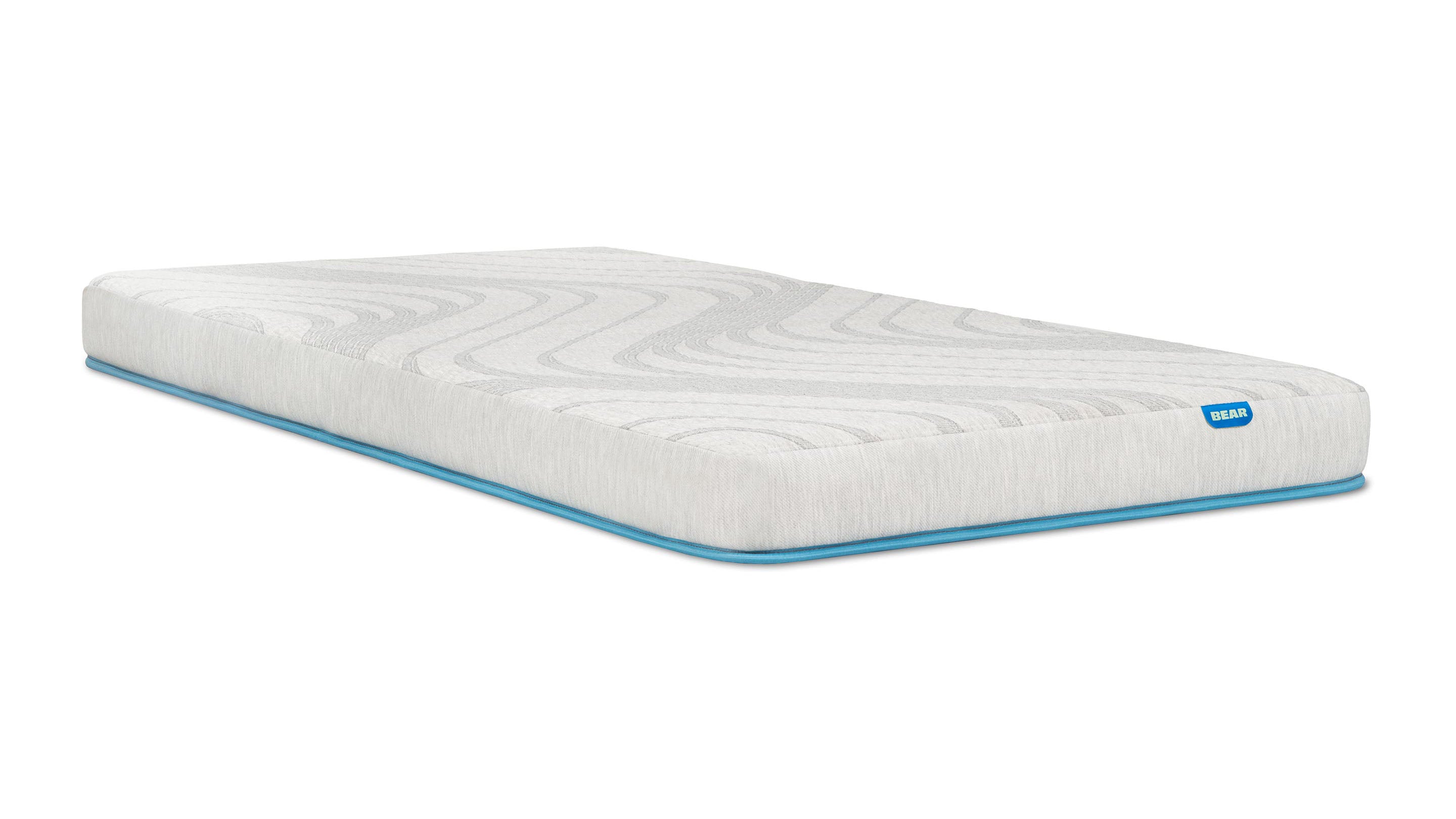
If you're looking for one mattress that checks nearly every box, the Bear Cub Kids Mattress is our top pick for the best kids mattress of 2026.
Designed specifically for growing children, the Bear Cub combines the pressure relief of cooling gel memory foam with the responsive support of individually encased coils. The result is a mattress that feels comfortable from the very first night while providing the durability and support kids need as they grow.
One feature parents will especially appreciate is the reinforced perimeter. Stronger edge support helps make getting in and out of bed easier while creating a more stable sleep surface—particularly helpful for active sleepers who tend to use every inch of the mattress.
The hybrid design also promotes airflow better than many traditional all-foam mattresses. Individually wrapped coils allow heat to move through the mattress, while the cooling gel memory foam helps regulate temperature at the sleep surface. For kids who tend to sleep warm, that extra breathability can contribute to a more comfortable night's sleep.
Safety is another area where the Bear Cub stands out. The mattress is both CertiPUR-US® and GREENGUARD Gold Certified, giving parents added confidence in the materials used throughout the mattress.
Standout Features
- Hybrid design balances comfort and support
- Cooling gel memory foam helps regulate temperature
- Individually encased coils improve airflow and responsiveness
- Reinforced edge support increases durability and stability
- CertiPUR-US® and GREENGUARD Gold Certified
- Designed specifically for growing children
2. Nolah Nurture — Best Flippable Kids Mattress
Children's sleep needs don't stay the same for long, which is exactly why the Nolah Nurture stands out.
Instead of offering a single comfort level, the Nurture features two distinct sleeping surfaces. One side is designed with a firmer feel for younger children, while the opposite side provides slightly more cushioning for older kids. As your child grows, you simply flip the mattress instead of replacing it.
That flexibility can make the Nolah Nurture an excellent long-term investment for families hoping to get more years from one mattress.
Why We Like It
- Flippable design extends the mattress's usable life
- Two firmness levels accommodate different growth stages
- Individually wrapped coils provide support and airflow
3. Leesa Natural Youth Hybrid — Best Eco-Friendly Kids Mattress
The Leesa Natural Youth Hybrid is our top eco-friendly pick for families who want premium comfort with responsibly sourced materials. Designed with organic cotton, GOTS-certified wool, GOLS-certified natural latex, and individually wrapped coils, it offers breathable comfort, responsive support, and lasting durability for growing kids.
The hybrid construction promotes airflow to help kids sleep cooler, while natural latex provides gentle pressure relief and makes it easy to move throughout the night. The mattress also features CertiPUR-US® certified foams and coils made from 98% reclaimed steel.
Why We Like It
- Features organic cotton, wool, and natural latex
- Breathable hybrid design with responsive support
- Individually wrapped coils improve airflow
- Coils made from 98% reclaimed steel
Mattress Shopping for Kids with Confidence
By focusing on factors like firmness, support, cooling, durability, and trusted safety certifications, you can confidently narrow down the options and find a mattress that fits your child's unique needs. Whether you're shopping for a toddler's first big-kid bed or upgrading a teen to a more supportive sleep surface, our top picks offer quality construction and lasting comfort to help your child get the restorative sleep they need at every stage of growing up.
Disclaimer: Bear does not provide medical advice. All resources on the Bear blog, including this article, are informational only and do not replace professional medical counsel. Talk to your doctor about any health, mental health, or sleep-related issues.