


If you’re an athlete or active individual looking to improve your game time, performance, or speed, you might focus on training harder and eating a nutritious diet. While these things are equally important, there may still be something you're missing: good sleep.
Sleep optimization, or improving the quality of sleep and the number of hours you spend sleeping, is more than just getting rest. Sleep is a time when your body is doing the important work of healing, recovering, and preparing for the next day's activities.
So if you skimp on sleep, your body can't recover the way it needs to, which can mean slower progress and a higher chance for injury. For athletes to perform at their best, they need to take sleep as seriously as meal planning and exercise routines. Read on to learn how to leverage sleep as a recovery tool with new strategies to help you hit your goals.
How Sleep Impacts Athletic Performance and Recovery
Sleep isn't a passive activity where your brain shuts off and comes back on when you wake. Your eyes may be closed and your breathing steady, but inside your body, there's a lot of activity.
Deep sleep is a stage of sleep when your body restores and repairs muscles and tissues, which you need for athletic recovery.
During REM (rapid eye movement) sleep, your muscles are paralyzed, and your eyes are moving rapidly back and forth. Besides that cool dream where you win the gold medal, REM sleep also strengthens learning, problem-solving, and reaction time.
In turn, poor sleep can decrease your endurance, accuracy, and strength. Being sleep-deprived can also increase the chances of injury and inflammation in the body. When your muscles and tissues become strained and inflamed, it's harder to recover.
Optimization Strategies for Athletes & Active Individuals
You don't have to do every sleep recovery strategy listed here to be successful. Rather, take one or two tips to incorporate into your schedule and see if your sleep improves.
1. Track Your Sleep and Identify Recovery Patterns
As an athlete, make it a priority to treat sleep like any other performance metric. Sleep trackers and wearables like the Oura Ring, WHOOP watch, and Apple Watch can provide insights into your sleep patterns.
Here are some of the common metrics for sleep tracking that can be useful during training to give insight into sleep and recovery data:
- Total Sleep Duration: This is the total number of hours a night you spend sleeping. Aim for about eight hours a night.
- Sleep Efficiency: This is the percentage of time you spend in bed actually sleeping by dividing the total sleep time by the total time spent in bed and multiplying by 100. Research suggests aiming for scores above 85%.
- Sleep Stages: Your body spends a certain percentage of time in different sleep cycles, such as light sleep, deep sleep, and REM.
- Resting Heart Rate (RHR): Your heart rate normally lowers while you're asleep. Athletes can have a lower RHR than non-athletes, which could be between 40 and 60 beats per minute.
- Heart Rate Variability (HRV): This is the tiny fluctuation between heartbeats. A low HRV could indicate stress.
You can use this data to help you identify how your body is responding to training. Some examples you can uncover include:
- Noticing you have poor sleep after late-night workouts
- Your HRV decreases when you're overtraining
- Your sleep improves after rest days
It can be easy with all this data to become overly focused on specific numbers and individual nights. So instead of obsessing over individual nights, look for patterns in your sleep over a period of time.

2. Align Your Sleep With Your Training Load
Harder training sessions can put more stress on the body. That stress can lead to longer recovery times, which means you need more sleep to feel like yourself again.
After intense training days, try to prioritize extra sleep to allow more time for muscle and tissue recovery. If you've spent a night tossing and turning and wake up tired, it might be a good idea to schedule a lighter training session that day.
Just like you plan your workouts, make sleep part of your training plan. Elite athletes often increase their sleep duration during peak training blocks.
3. Strengthen Your Circadian Rhythms for Consistent Recovery
Circadian rhythm is your body's 24-hour clock, which signals to your body when it's time to sleep and when it's time to wake. Melatonin is the hormone your body makes that increases in the evening when it gets darker and decreases in the morning light.
When your circadian rhythm and melatonin production are synced up, you fall asleep faster and wake up more rested. You can support your body's natural sleep/wake rhythm by:
- Going to bed and waking up at the same time each day
- Getting plenty of natural sunlight in the morning by opening windows or stepping outside for a few minutes
- Limiting bright screens an hour or so before bed
- Dimming the lights in the evening to tell your body it's time to feel sleepy
Having a consistent sleep schedule helps to improve sleep quality, recover more efficiently, and balance hormones—including melatonin.

4. Build a Pre-Sleep Recovery Routine
When you've had a hard workout or busy day, you might feel a little wired when it's time to go to bed. This is because your nervous system is still active. You need to slow things down and shift your body into recovery mode.
Having a wind-down routine in the evening can help athletes decrease that amped up feeling after a hard day of lifting or running. Some examples to incorporate include:
- Light stretching or mobility work
- Breathing exercises to help relax your body
- Taking a warm shower or bath before bed
- Reading a book or practicing relaxation techniques like yoga or meditation
Making these practices part of your bedtime routine will signal your body that it's time to sleep, helping you drift off more easily.
5. Optimize Your Sleep Environment for Recovery
Whether you're at home in your familiar environment or spending a night in a hotel, you can create an environment that is restful and calming.
Some factors to focus on include:
- Keeping your room cool—60 to 67° F is ideal
- Blocking out light, such as using a sleep mask or room-darkening curtains
- Decreasing noise by using earplugs or headphones if needed
- Sleeping on a supportive mattress that reduces pressure on joints
A supportive mattress can help keep your spine in a neutral position, provide pressure relief for joints, and provide maximum comfort with cushioning and cooling technology to prevent sleep disruptions.
How Your Mattress Plays a Role in Athletic Recovery
Your bed is more than just a comfy place to relax and unwind—although that's important too! A supportive mattress also affects how well your body is able to recover. Some things to look for in a quality mattress include:
- Good pressure relief to reduce stress on muscles and joints
- Proper support for healthy spinal alignment
- Cooling materials to prevent overheating
- Motion isolation so you can get deeper rest without disruptions from a bed partner
When your body is supported and comfortable, you are less likely to wake up during the night. This leads to less morning tiredness and better overnight recovery. Better quality sleep can also mean more energy and better performance the next day.
Why Many Athletes Choose Bear Mattresses
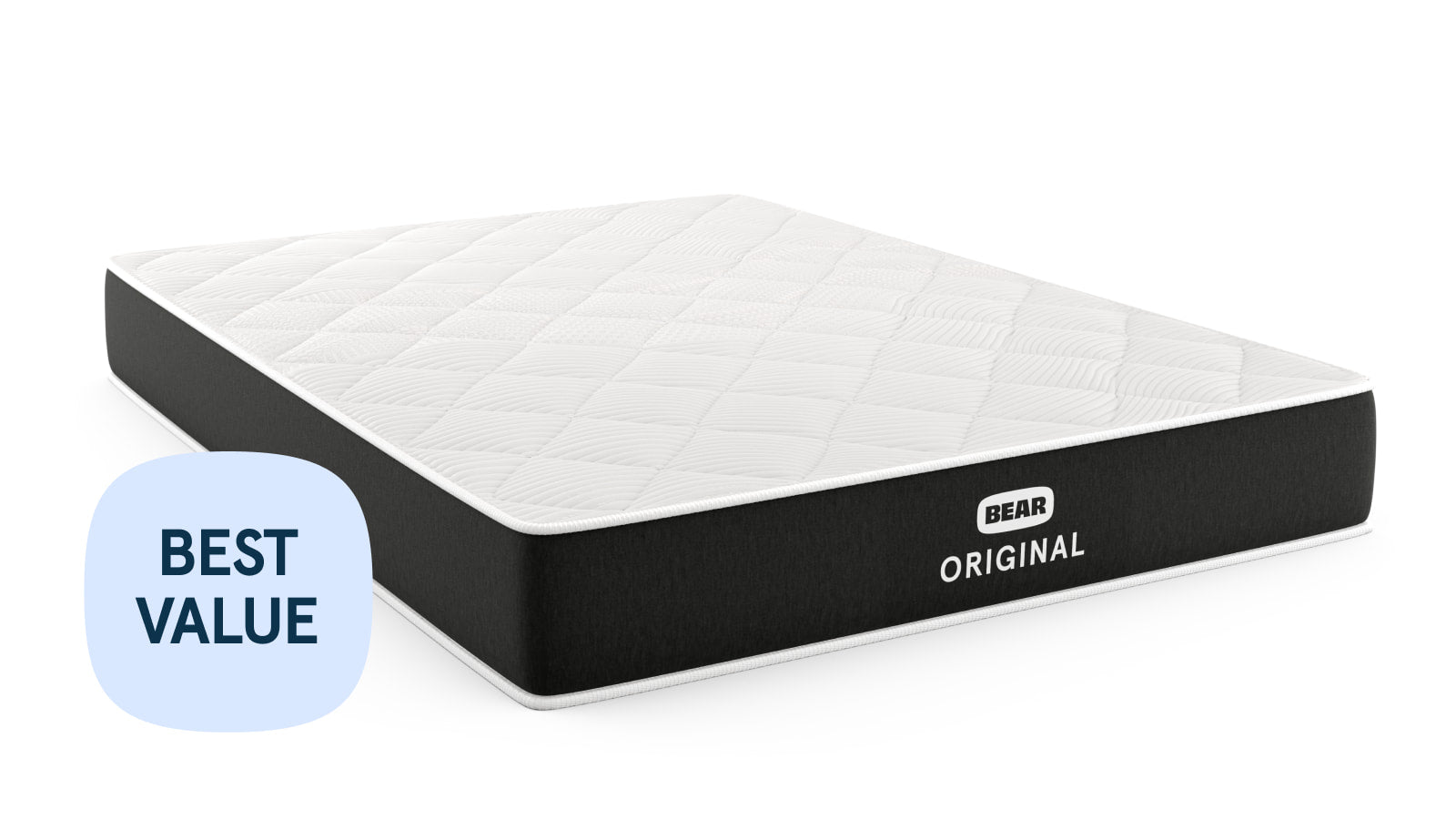
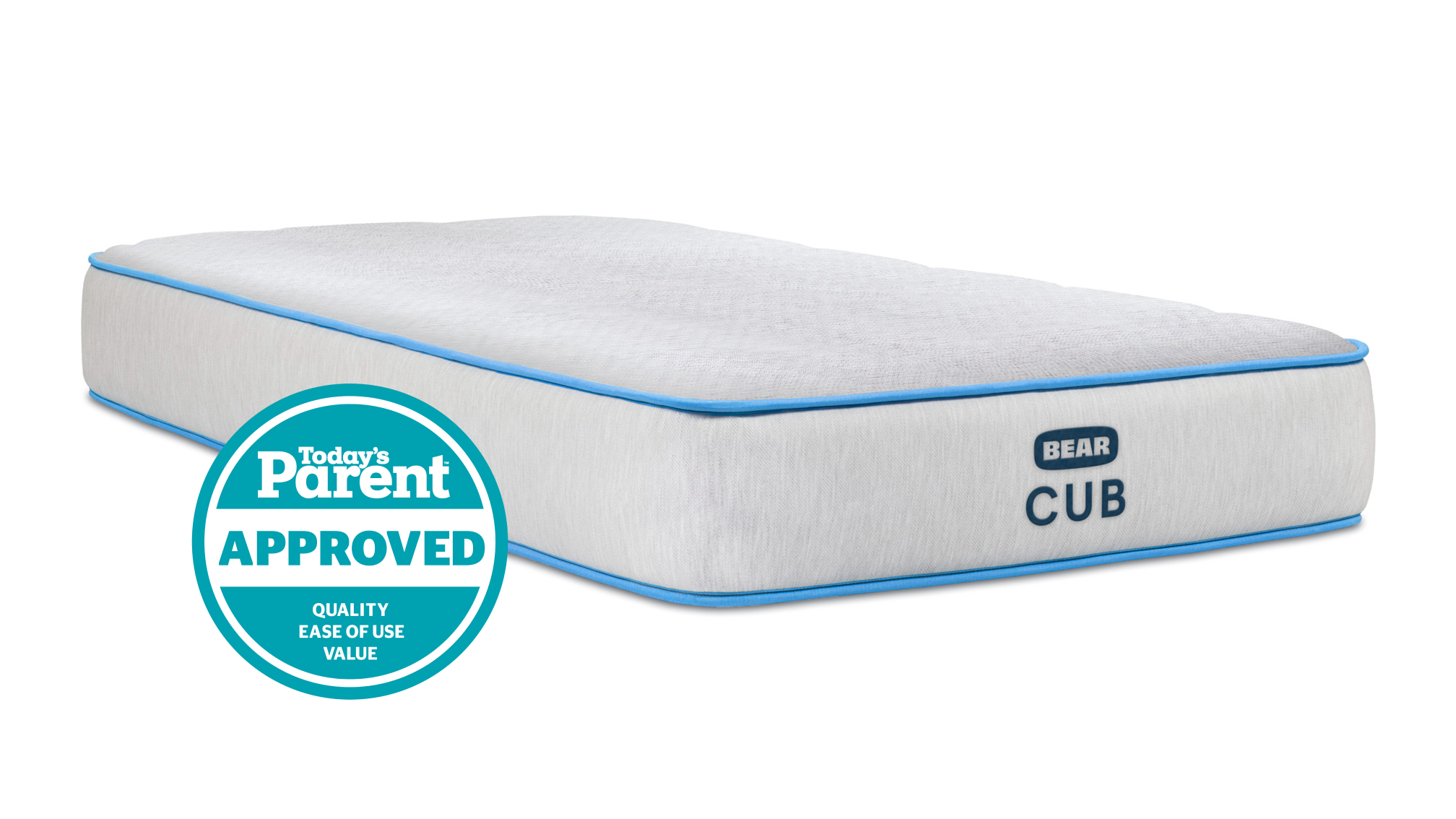
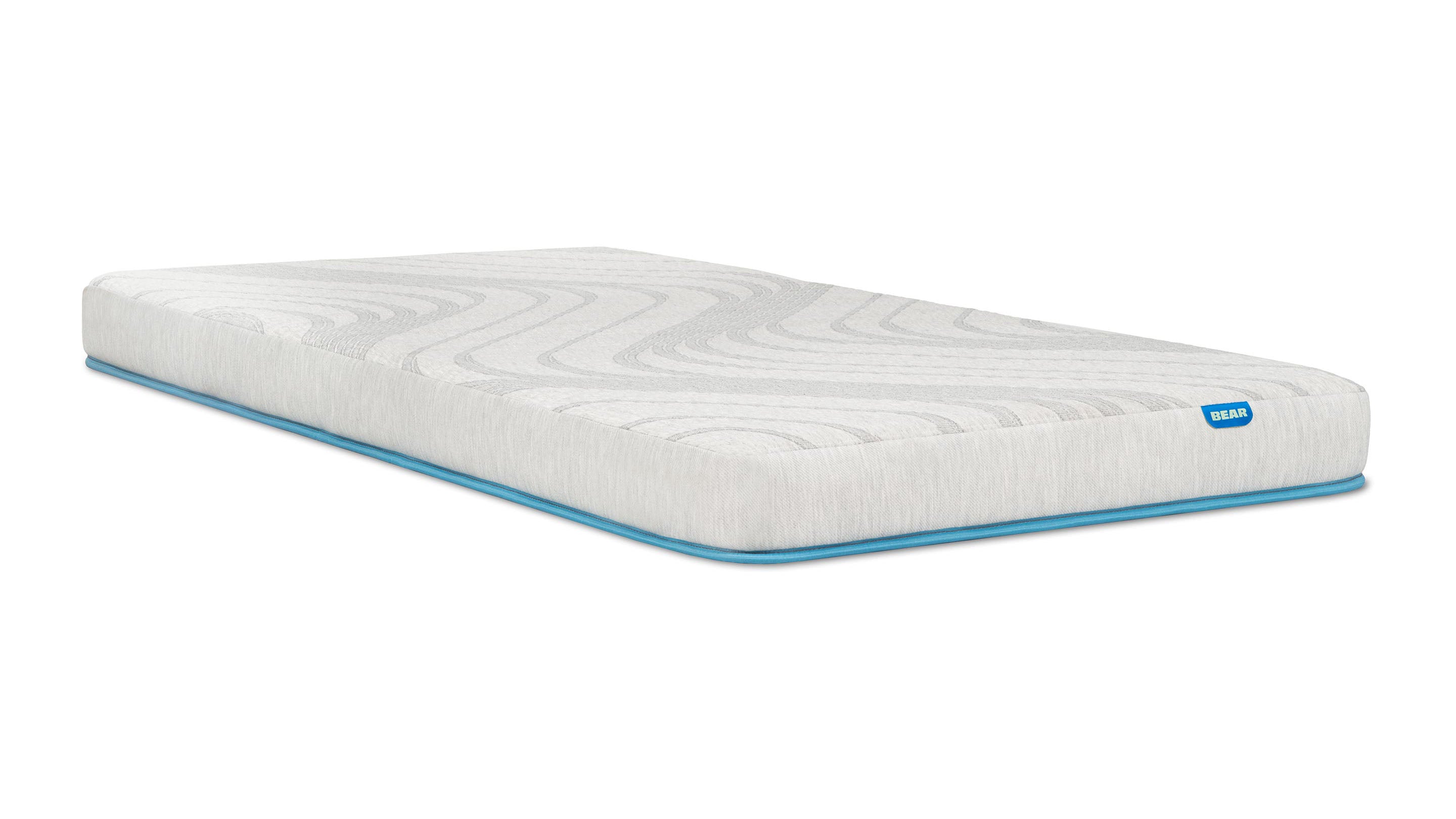
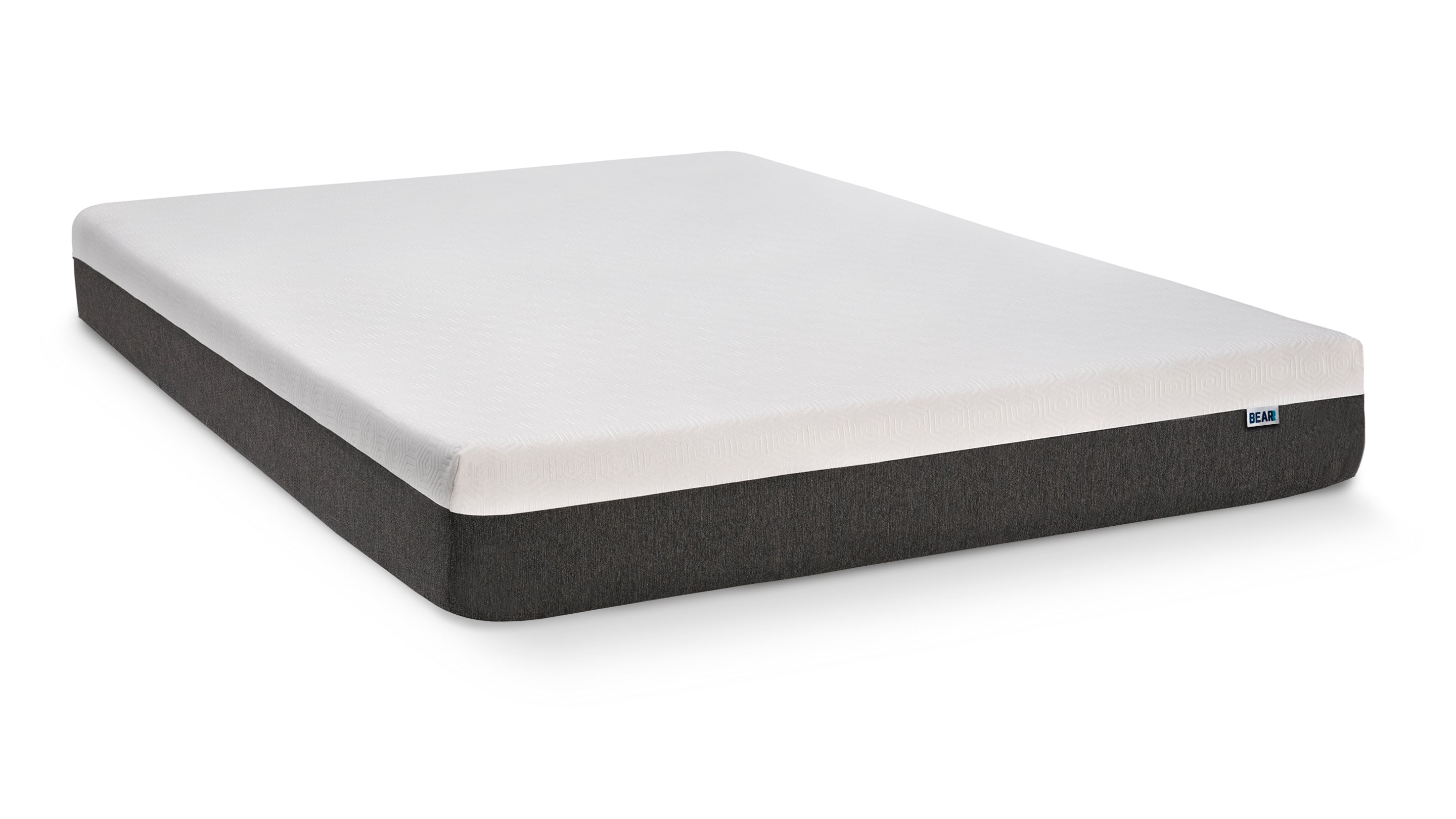
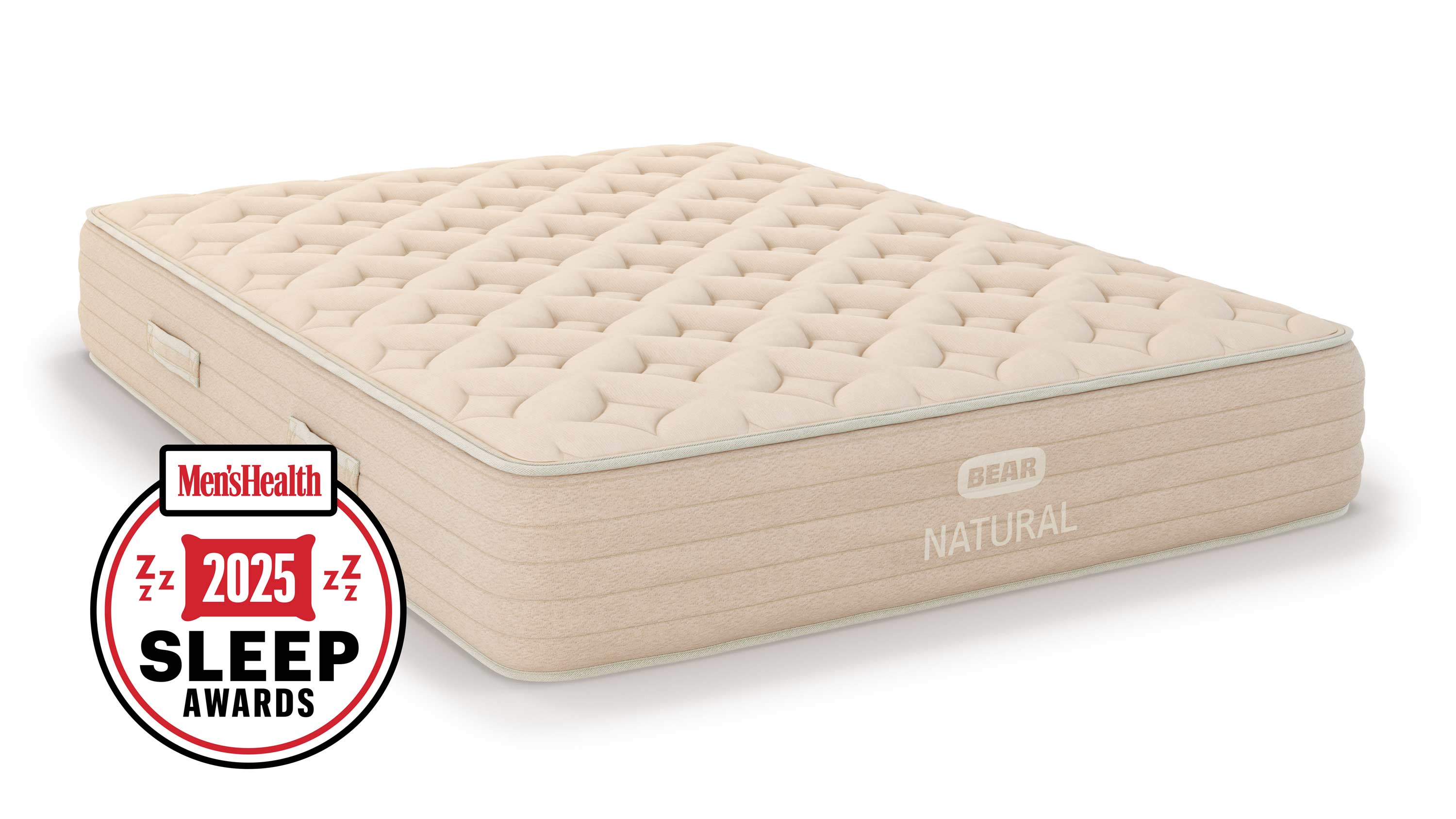
For athletes or anyone living an active lifestyle, choosing the right mattress can go a long way. Bear mattresses are designed to be more than just comfortable. They're made to support recovery so you can perform at your peak the next day.
What does that look like? Our mattresses are built to keep your spine healthily aligned, cushion sore joints, boost overnight muscle repair, and improve overall sleep quality by limiting disruptions. Key features include:
- Celliant® infrared technology stimulates local circulation, promoting quicker muscle recovery
- Pressure-relieving foams reduce strain on critical pressure points like your shoulders and hips
- Zoned support systems promote neutral spinal alignment
- Advanced cooling components help prevent nighttime wakeups, so you can get the restorative rest you need
Our Best Mattress for Athletes: Bear Elite Hybrid
While all Bear mattresses are designed for athletes or active lifestyles, the Elite Hybrid is our champion. Our most advanced hybrid model offers a five-zone coil core with enhanced lumbar support, soothing foams for pressure relief (including cooling copper-infused memory foam), and cushioning quilt foam on top. It also features our Celliant® Infused Cover for additional muscle recovery and temperature regulation benefits.
Disclaimer: Bear does not provide medical advice. All resources on the Bear blog, including this article, are informational only and do not replace professional medical counsel. Talk to your doctor about any health, mental health, or sleep-related issues.